




Compromise, by definition, is when people don’t get all they want but enough for both sides to reach a mutually acceptable solution.
Read more How three men struck San Diego’s surprise deal on trash fees and Balboa Park parking
In many cases, it can also allow both sides to pull back from the brink of something really bad.
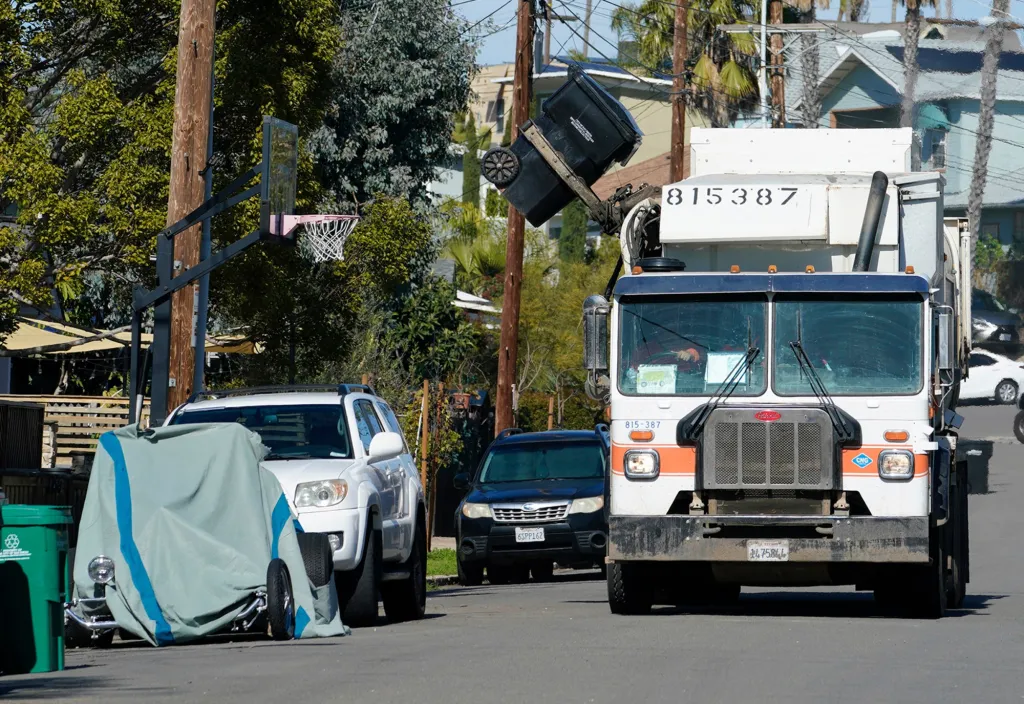
That seemed to be the case last week when the city of San Diego and people suing over trash collection fees for single-family homes reached a settlement that avoided what officials described as a potential budget catastrophe and a risky ballot measure.
The deal will also end the widely criticized new parking fees at Balboa Park.
The city certainly had a lot to lose on the trash fee. The Lincoln Club Business League, led by its president and CEO, Kevin Faulconer, was pursuing an initiative to repeal the trash fee that would have blown an estimated $150 million hole in the already deficit-riddled city budget, with no new revenue options.
The settlement instead will roll back the fees to $38.75 per month, though that’s nearly $10 more than an earlier settlement proposal. The move still exacerbates budget problems, but at a much more manageable level. The revenue loss would be about $10 million in each of two future fiscal years, according to officials. (The elimination of Balboa Park parking fees would cost the city an additional $4.4 million in those years.)
Had negotiations failed and the repeal appeared on the November ballot and passed by voters, that would have seemed a clear victory for Faulconer and his allies. But the former San Diego mayor, who some believe is trying to resurrect his political career, may also have had to face the fallout of helping create a further budget mess that may well have reduced services residents count on.
Also, the repeal wasn’t guaranteed, and the compromise allows him to walk away with a win.
Meanwhile, it was the lawsuit by attorneys Michael Aguirre, the former city attorney, and Maria Severson on behalf of residents that led to the negotiations and a substantial cut in the fee.
The initial settlement proposal was to roll back the fee to $29 per month, which was in line with the $23 to $29 estimate the city gave when voters cleared the way for the charge under Measure B in 2022.
Much of the outrage fueling the repeal initiative was because the eventual fee was considerably higher than advertised, ranging from $32.82 to $43.60 per month, depending on container size, with significant increases on the way, according to the city.
Some council members wanted to accept that early settlement offer, but a majority rejected it.
Michael Zucchet, general manager of the city’s Municipal Employees Association and former City Council member, has been called by some a broker of the fee settlement. He urged council members not to accept the initial offer and warned initiative backers that the MEA considered the full repeal a major threat and would go all out to defeat it, likely joined by other unions.
Further, he had internal polling data that suggested the repeal might not be the slam dunk as many people think.
It’s important to remember condominium, townhouses and apartments have been charged trash collection fees all along and the initiative wouldn’t change that. The people living in them would continue to pay for that yet would be impacted by service cuts, giving them little incentive to vote for restoring the historic single-family home fee exemption.
The new $38.75 charge takes effect in July 2027 and lasts two years. That amount is in the ballpark of the current fee range, but the fee was scheduled to rise to $55 for standard users in July 2027 and more after that.
Read more Giant inflatable artworks have taken over The Hague
The agreed-upon fee started with a $29 base that was adjusted for inflation, which rose dramatically after the early fee estimate was made prior to the Measure B vote.
Interestingly, depending on which inflationary years were counted, the proposed settlement fee could have been north of $40, according to people with knowledge of the negotiations. However, there was a concerted effort to keep it below $40 to seal the deal.
What impact the settlement will have on local election-year politics is unclear. Some candidates have been running against both the trash and Balboa Park parking fees. For instance, Richard Bailey, the former Coronado mayor and newly minted Point Loma resident, had made that a centerpiece of his campaign for the San Diego City Council District 2 seat.
However he adjusts, Bailey isn’t likely to change his mantra: “San Diego does not have a revenue problem. It has a spending and management problem.”
It’s hard to argue with the notion of poor management. For years, the city has botched real estate transactions (think 101 Ash St.), and its handling of both the trash and parking fees leaves much to be desired.
City officials admitted several mistakes in coming up with the $29 estimate. Meanwhile, the rollout of the Balboa Park parking fees did not go well. Visitors were flummoxed by the machinery used to pay, and local residents struggled to get the free permits they were promised.
Keep in mind, both the trash and parking fees were new and attached to things San Diegans feel protective about (no-fee trash for single-family homes and Balboa Park).
So it seemed like people were paying for something they had been getting for free with no substantial new benefit. If you’re going to ask people to accept what predictably will be unpopular policies, at least you make sure you execute them well.
The fees were not City Hall’s first choice. A union-backed sales tax increase for the city that would have generated $400 million annually was defeated in 2024 by just over a half-percentage point.
Surely management improvements and efficiencies can further cut costs. But San Diego still has a revenue problem. David Garrick of The San Diego Union-Tribune recently did a deep dive into how decades of low taxes and fees — compared with other cities — and costs the city doesn’t control teamed up with disputed hiring and spending decisions to create a budget crisis.
Instead of confronting this head-on, elected officials made do by using one-time maneuvers and other budget tricks to kick the problem down the road. This dates back beyond Mayor Todd Gloria to include Faulconer and his predecessors.
Where the city goes following the settlement remains to be seen. While avoiding another huge budget hole, there are still future budget shortfalls to close.
More cuts seen in the cards, but likely so are more tax and fee proposals, even as the road toward pursuing them is narrowing.
Los Angeles Times
“For the first time, a warm winter just wiped out SoCal’s little-known cherry harvest.”
Read more New interactive exhibit opens Sunday onboard Battleship Iowa in San Pedro