








There are two contested primary races to be a San Diego Superior Court judge — two candidates vying for one office, and three for the other.
Read more McCann, Tamayo lead in Chula Vista mayor’s race; incumbents ahead in council races
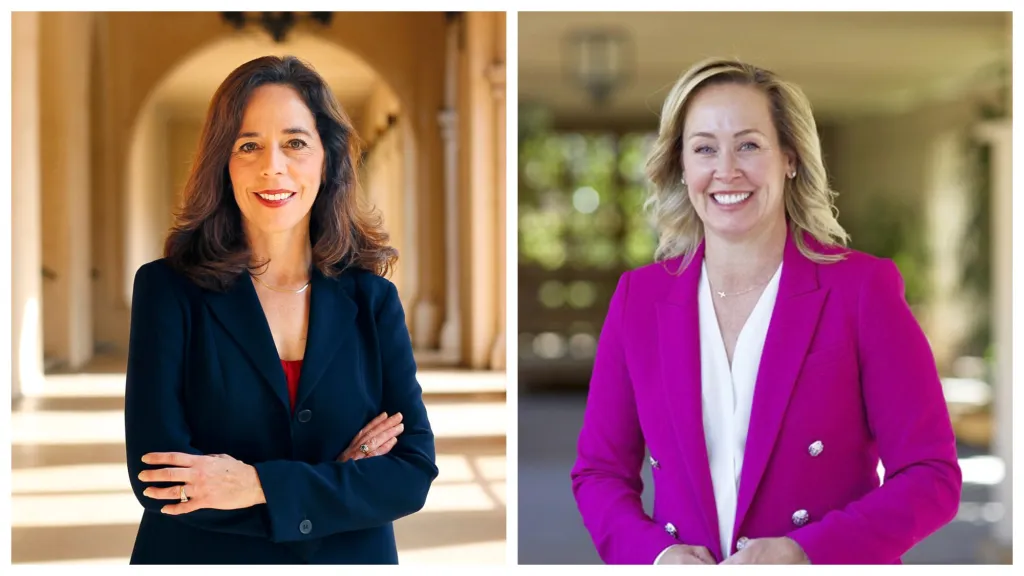
Jodi Cleesattle, a senior assistant state attorney general, had an edge over Adam Noakes, an administrative law judge, in the race for Office No. 31, according to unofficial early results released Tuesday night.
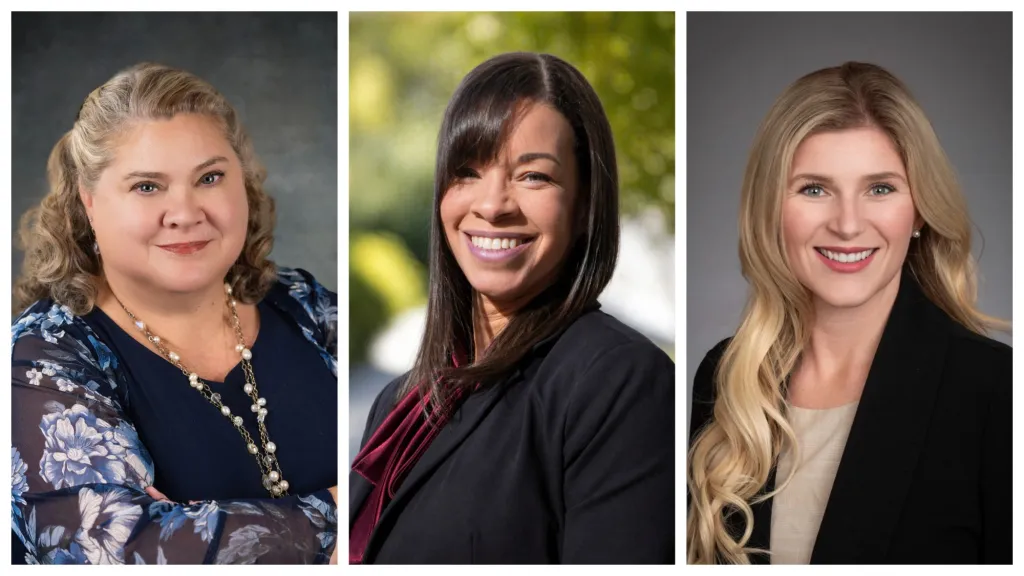
Tia Ramirez, a chief deputy city attorney, was ahead in the race for Office No. 32, with Nicole D’Ambrogi, a probate attorney and law professor, in second place and civil litigator David Gallo at the back of the pack.
If a candidate draws more than 50% of the vote in the primary, they will win that judicial office outright. If no candidate reaches that threshold, the two who draw the most votes will compete in the November election.
Aside from those two contested seats, there are three open seats that drew only one candidate each. Court Commissioner Leah Boucek is running unopposed, as are Tracy Prior and Laurie Hauf, both of whom are longtime deputy district attorneys. Early election results indicate each was tracking well above the 50% needed to be elected outright.
D’Ambrogi, Gallo and Ramirez are vying to fill the seat held by Judge Daniel Belsky. Cleesattle and Noakes seek to fill Judge Garry Haehnle’s seat. Boucek, Prior and Hauf are seeking the seats of Judge Earl Maas, Judge Daniel Goldstein and Judge Richard Whitney. None of the five judges sought re-election.
There are 135 judicial seats in San Diego Superior Court. The vast majority of vacancies are filled by appointment by the governor. Seats tend to come open for election — as opposed to appointment — when a judge opts not to run for re-election.
Judicial races are nonpartisan, and terms run six years. Superior Court judges earn an annual salary of nearly $245,000.