







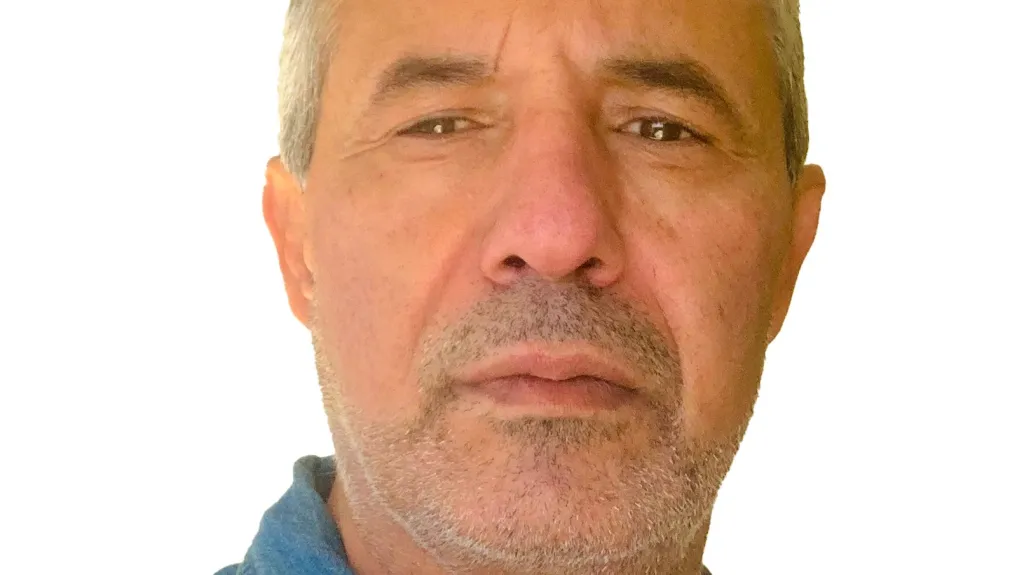
Jamal Kanj, 68, is a community activist running for San Diego County Board of Education in District 3. He lives in East County.
Read more Q&A: Meet Anthony Rendon, candidate for California state superintendent of public instruction
The San Diego Union-Tribune emailed a series of questions to Kanj and other candidates to help inform voters about their positions, priorities and plans if elected.
Kanj said he did not use AI in responding to the Union-Tribune’s questions.
1.) Why are you running, and what makes you the best candidate? (150 words max)
I believe public education is the most powerful tool to expand opportunity, strengthen communities and address inequities. As an immigrant and a person who had been educated at United Nations refugee schools, I experienced firsthand how education can transform lives, and I am committed to ensuring every student, especially those disadvantaged and most vulnerable, has the support to succeed.
What sets me apart is a unique combination of technical expertise, executive leadership and a lifelong commitment to public service. As a registered professional engineer with over 35 years of experience, along with an MBA and PhD in leadership, I bring data-driven decision-making, strategic thinking and accountability to governance.
I am also a published author and engaged public voice, with a strong commitment to transparency and community trust. I will focus on student outcomes and responsible governance and prepare every learner for college, career and life.
2.) What are the top 3 issues facing schools and students in San Diego County? (150 words max)
The primary challenges facing schools and students in San Diego County are declining enrollment, funding instability and persistent achievement gaps.
- Declining enrollment: Shifting demographics are leaving campuses underutilized. This forces difficult decisions regarding staffing and program cuts, requiring districts to balance fiscal reality with community stability.
- Funding instability: Because California uses enrollment-based funding formulas, shrinking student bodies create volatile budgets. This uncertainty hampers long-term planning and threatens essential services like smaller class sizes and mental health support.
- Achievement gaps: Significant disparities persist for underserved students, including those in foster care or experiencing homelessness. Closing these gaps remains the most urgent priority to ensure equitable access to academic success.
Addressing these interconnected issues requires strategic governance and targeted investment to provide every San Diego student a clear pathway to opportunity.
3.) What are the first 3 things you would do in office if elected? (150 words max)
The top three issues facing schools and students in San Diego County are funding, academic achievement and chronic absenteeism.
First, funding remains a persistent challenge. Declining enrollment combined with rising operational and special education costs continues to strain school budgets, limiting resources for classrooms and student support services.
Second, academic achievement must remain a central priority. Achievement gaps persist, particularly among underserved students, requiring stronger instruction, targeted interventions and clear accountability to ensure all students are prepared for college and careers.
Third, chronic absenteeism is a growing concern. While many factors contribute, including economic hardship and mental health, there is increasing evidence that fear related to immigration enforcement is also impacting attendance. Studies in California have shown significant spikes in absences in communities experiencing heightened enforcement, as families fear detention or separation.
Addressing these challenges requires thoughtful, student-centered policies that build trust, stability and inclusiveness for all communities.
4.) The county office’s core goal is to “reduce poverty and increase belongingness through public education.” In addition to its current plans, what more would you do to achieve this?
To further advance the goal of reducing poverty and increasing belongingness through public education, I would focus on better aligning education with real economic opportunity while ensuring every student feels supported, safe, and connected. This means strengthening career pathways through partnerships with local industries, vocational programs and higher education so students graduate with skills that lead to stable, well-paying jobs.
For this purpose, I would also advocate for stronger community-based role models and mentorship programs, where students can see their own potential reflected in people who share their backgrounds and experiences. Representation matters, and connecting students with professionals and leaders from their communities can inspire ambition, confidence and a sense of belonging.
At the same time, reducing poverty requires addressing barriers that prevent students from fully participating in school. I would support expanded access to counseling, mentoring and family outreach, especially for students in foster care, experiencing homelessness or from immigrant communities, while addressing factors like chronic absenteeism by building trust and ensuring schools are welcoming environments.
Equally important is fostering a culture of belonging through transparent, accountable governance and inclusive school environments where every student feels respected, valued and empowered to succeed.
5.) What do you think is driving student absenteeism and declining enrollment across San Diego County, and what would you do to improve both?
Student absenteeism and declining enrollment in San Diego County are driven by a combination of economic pressures, family structure, demographic shifts and increasing barriers to consistent school attendance. Rising housing costs and the out-migration of families have reduced enrollment, while funding tied to attendance further compounds the strain on schools. At the same time, chronic absenteeism is influenced by mental health challenges, disengagement and, in some communities, fear and instability related to ICE and immigration enforcement, which can discourage families from sending their children to school regularly.
To address those challenges, I would focus on rebuilding trust and strengthening engagement with families by ensuring schools are safe, welcoming and responsive to community needs. This includes expanding counseling, family outreach and early intervention strategies to address absenteeism. I would also strengthen career pathways and educational quality to retain families by demonstrating the long-term value of public education.
Improving attendance and stabilizing enrollment requires a coordinated, student-centered approach grounded in trust, opportunity and support.
6.) In light of changing federal policy, how can the county office better serve vulnerable students, including those whose families have mixed immigration status and those with disabilities?
In light of changing federal policy, the county office can better serve vulnerable students by ensuring that schools remain safe, inclusive and focused on student well-being while strengthening coordination of services and accountability. Students from mixed-status families and those with disabilities often face heightened uncertainty, making trust and stability essential for their success.
This begins with reinforcing clear policies that protect student access to education regardless of immigration status, while expanding counseling, legal resource referrals and family outreach to address fear and confusion related to immigration enforcement. Schools must be proactive in building trust so that concerns about ICE do not translate into absenteeism or disengagement.
Read more Q&A: Meet Al Muratsuchi, candidate for California state superintendent of public instruction
At the same time, stronger coordination of special education services, early intervention and individualized support is critical to ensure students with disabilities receive the resources they need to succeed.
Ultimately, a student-centered approach grounded in equity, transparency and collaboration will ensure that all students feel safe, supported and able to fully participate in their education.
7.) Because of the unique student populations it serves, the San Diego County Office of Education is often at the forefront of tackling issues that districts around the county face — including ones exacerbated by current challenges like the region’s affordability crisis and a federal immigration crackdown. What unique perspective and plans would you bring to these efforts?
I bring a unique combination of executive leadership, refugee educational system and lived experience as an immigrant that allows me to understand both systemic challenges and the human impact behind them. The San Diego County Office of Education serves some of the most vulnerable students, from various disadvantaged communities, and political and economic pressures such as the affordability crisis and immigration enforcement concerns are directly affecting attendance, stability and learning outcomes.
To address these challenges, I would focus on strengthening trust between schools and families by ensuring that campuses remain safe, welcoming and consistently student-centered environments where all children can attend without fear or uncertainty. I would support expanded counseling, outreach and early intervention systems to address chronic absenteeism and help families navigate economic and social stressors that impact school engagement.
At the same time, I would prioritize stronger alignment between education and economic opportunity by expanding career pathways, vocational programs and partnerships with local industries so students can see a clear and attainable path to upward mobility.
Ultimately, I would bring a governance approach rooted in accountability, compassion and data-driven decision-making to ensure that policy responses translate into real improvements for students and families across San Diego County.
8.) Career and technical education is particularly important to students served by the San Diego County Office of Education. How will you ensure they are both prepared for life after high school and also equipped to pursue college later in life if they wish?
Career and technical education (CTE) is essential to ensuring that students served by the San Diego County Office of Education are prepared not only for immediate employment opportunities, but also for long-term educational mobility if they choose to pursue college later in life.
To achieve this, I would focus on strengthening and expanding clear, high-quality career pathways that are aligned with regional workforce needs through partnerships with local industries, labor organizations and higher education institutions. These pathways should provide students with industry-recognized credentials, hands-on experience and real-world skills that lead directly to stable employment after high school.
At the same time, it is critical that CTE programs are not seen as separate from college readiness. I would support integrated academic and technical instruction that ensures students meet A–G requirements where appropriate, maintain transferable academic skills and have access to counseling that keeps college as a viable and encouraged option.
Equity is also central. Students in alternative education, in foster care or experiencing homelessness must have equal access to high-quality CTE opportunities and supports that address barriers such as absenteeism and instability.
Ultimately, the goal is to build flexible pathways that allow students to enter the workforce confidently while preserving full access to college and future advancement.
9.) As a member of the county board, you would hear appeals concerning student expulsions and charter school petitions. What principles would guide your approach to this responsibility?
As a member of the county board, my approach to both student expulsion appeals and charter school petitions would be guided by the same core principles: fairness, due process, accountability and a strong commitment to student-centered outcomes.
In appeal cases, I would ensure that due process was fully followed and that decisions are legally sound, unbiased and consistent with established policies and student rights. I would review the complete record, including the student’s circumstances, history and whether appropriate interventions and supports were provided prior to disciplinary action. My goal would be to balance accountability with compassion, prioritizing rehabilitation, continuity of education and the long-term well-being of the student while ensuring all parties are heard respectfully.
In reviewing charter school petitions and renewals, I would apply a similarly rigorous, evidence-based approach focused on academic performance, fiscal responsibility, organizational capacity and demonstrated value to students and the broader public education system. I would also assess equity and access, particularly for underserved and vulnerable student populations, and consider input from educators, families and the community.
Across both responsibilities, I would support decisions that uphold transparency, integrity and measurable student outcomes, ensuring every action strengthens public trust and serves the best interests of students.
10.) What degree of oversight do you think the county should have of charter schools, both those that are authorized by the county and those that are authorized by districts? Should anything change about how the county handles charter school approvals or oversight?
The county should exercise strong, consistent and transparent oversight of charter schools, those it manages directly and those approved by districts, while respecting the role charters can play in expanding opportunity.
Charter school autonomy is intended to foster innovation and provide improved services for all students, across all communities. That flexibility should be preserved, but it must be matched with clear accountability to ensure it delivers real, measurable benefits.
For county-authorized charters, oversight must be rigorous, with clear expectations for academic performance, fiscal responsibility, governance and equitable access. Approval and renewal decisions should be strictly evidence-based, ensuring that each charter demonstrates measurable value for students, particularly those who are underserved.
For district-authorized charters, the county’s role in appeals and oversight should remain a critical safeguard to ensure fairness, consistency and accountability across the system.
I do believe improvements are needed, including greater transparency, consistent performance metrics and stronger accountability for closing achievement gaps, while still encouraging innovation and student-centered outcomes.
Read more Q&A: Meet Frank Lara, candidate for California state superintendent of public instruction