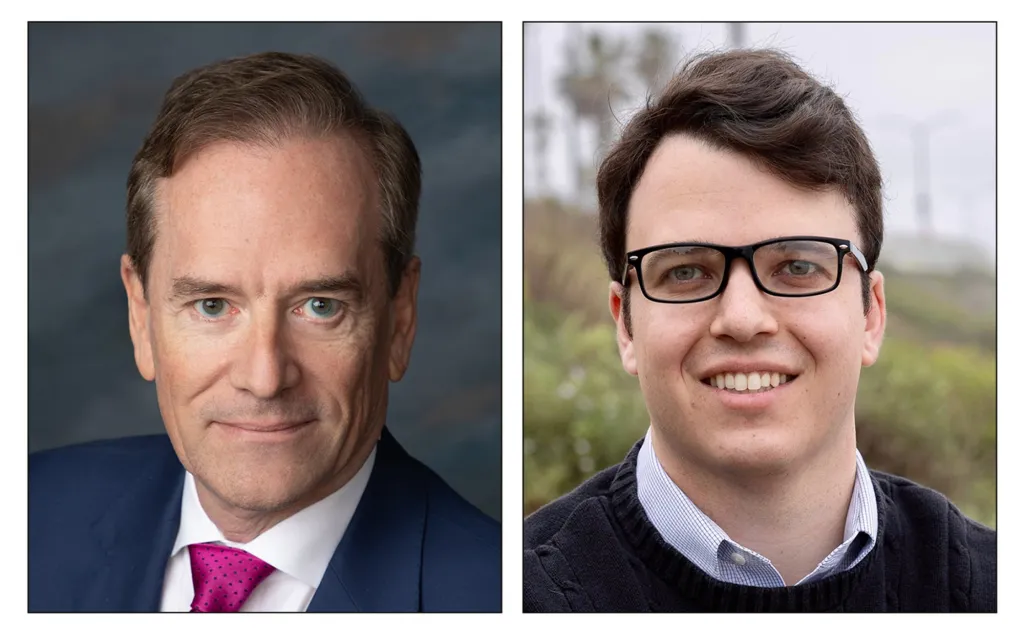









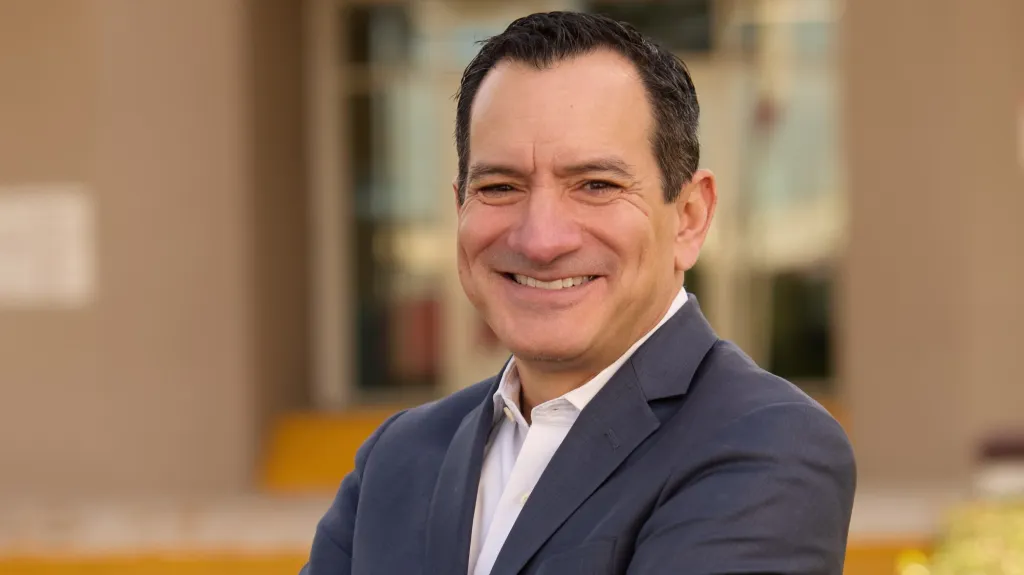
Anthony Rendon, 58, the former Democratic speaker of the California state Assembly, is running for California state superintendent of public instruction.
Read more Q&A: Meet Al Muratsuchi, candidate for California state superintendent of public instruction
Rendon lives in Lakewood in Los Angeles County and is now a democracy advocate and educator, having left office due to term limits in 2024.
The San Diego Union-Tribune emailed a series of questions to Rendon and other candidates to help inform voters about their positions, priorities and plans if elected.
Rendon said he used AI tools “for light editing” in responding to the Union-Tribune’s questions.
1.) Why are you running, and what makes you the best candidate? (150 words max)
Prior to politics, I ran early childhood education programs for 20 years and saw how they transformed the futures of children and families. It was cuts to education during the Schwarzenegger administration that first drove me to run for Assembly. As speaker, I negotiated budgets with two governors that increased K-12 spending by 80%.
I’m running for superintendent of public instruction because there’s so much more work to do — especially to address inequities in our school system. The Local Control Funding Formula helped direct more funds to schools serving kids in poverty and English learners, but much more needs to be done. A better school in Chula Vista doesn’t mean a school in La Jolla gets less.
California also needs a proven leader to navigate the Trump administration’s attacks on public education. I led California’s response during Trump’s first term, and I’m ready to defend our students, teachers and schools again.
2.) What are the top 3 issues facing schools and students in San Diego County? (150 words max)
- Building a cradle-to-career education system. Before serving in the Assembly, I spent two decades in early education. As speaker, I convened the Blue Ribbon Commission on Early Childhood Education. As superintendent of public instruction, I’ll break down silos between early education, K-12 and higher education — building a true cradle-to-career system where no student falls through the cracks.
- Tackling the youth mental health crisis. Phones, social media and AI tools have harmed both learning and student well-being. As superintendent of public instruction, I’ll work with educators to establish clear policies on smartphones and generative AI in schools, ensuring technology enhances learning rather than erodes it, and make sure teachers have the training and resources students need to thrive.
- Defending California schools from Trump’s agenda. Trump has proposed eliminating Head Start and abolishing the Department of Education. As speaker during his first term, I stood up to the MAGA agenda — and I’ll do it again, serving as a firewall between our schools and Washington’s chaos.
3.) What are the first 3 things you would do in office if elected? (150 words max)
The SPI doesn’t act alone. My first act is to determine what is working and what isn’t. A one-size-fits-all approach is not what school districts need. It is only when you form partnerships with school leaders, educators and the community that you can get things done. The second thing is to evaluate is the state of school funding. Although I come with experience in negotiating the state budget, 2027 could be a totally different economic picture. I am the only candidate prepared to work with school leaders and educators.
4.) What experience do you have in the classroom and in other education roles, and how have your professional experiences prepared you for this role? (150 words max)
I bring something none of the other candidates can match: 20 years working directly in early childhood education programs. I saw firsthand the struggles of children and families before they ever set foot in a K-12 classroom. I know what it looks like when kids arrive underprepared, and I know the interventions that work. The challenges I witnessed in early childhood education — poverty, instability, language barriers, mental health strain — are the same ones that follow students through K-12 and into higher education. No one in this race understands the full arc of a student’s educational journey better than I do.
5.) What input do you believe the state superintendent and department should have into classroom instruction in California schools? (150 words max)
Professional educators have many years of college and must get a certificate from the California Commission on Teacher Credentialing. They are the pros who know how to do their job. I do think it is the role of the superintendent of public instruction to be involved with the standards of content to be delivered. It is also the job of the superintendent of public instruction to make sure teachers have the resources and professional development to continually improve their practice and understand new content areas.
6.) How will you ensure access both to career and technical education and to higher education, including ensuring students who pursue career-oriented education now can attend college later in life? How will you ensure equitable opportunities for rural, suburban and urban students? (150 words max)
The governor released a very ambitious master plan for career and technical education last spring. The plan can be implemented, but all interest holders need to consider how we remove the obstacles in the system that challenges the reform.
First, we need to recognize the diversity of the state. Not all school districts have the size and scale to offer comprehensive programs. We need to make sure that funding is reliable and not contingent upon grants and that small school districts can work with community colleges and have regional partners to provide more access to students. We need to expand dual enrollment opportunities and make sure that school districts have the resources to recruit industry professionals into teaching positions.
7.) In light of federal immigration crackdowns, funding cuts and rollbacks to civil rights protections and oversight, how can California better serve vulnerable student populations, including those who are immigrants, are LGBTQ+ and have disabilities? (150 words max)
All students, regardless of immigration status, are entitled to a free high-quality public education.
Read more Q&A: Meet Frank Lara, candidate for California state superintendent of public instruction
The issue of trans athletes is one that is too often used by people to divide us, including our current president and another candidate for superintendent of public instruction, Sonja Shaw.
Ultimately, we need to ensure that all of our students have the opportunity to succeed. I applaud the California Interscholastic Federation for its efforts to devise a policy that allows transgender students to participate in athletics programs while trying to address the concerns of many families. There will not be a perfect solution, but I believe that athletics is an important part of education that all students should be able to participate in.
8.) What role should technology play in the classroom? Where do you stand on screens in school, cell phone bans and the use of generative AI? Please be specific. (150 words max)
There is an alarming and well-documented decline in youth happiness. The rise in anxiety and depression especially among young women is directly tied to the central role smartphones and social media now play in young people’s lives. These platforms have disrupted learning, hijacked attention and harmed student well-being.
At the same time, generative AI tools now threaten the development of critical thinking skills. Students who rely on AI to write essays and solve problems are not learning to think, and that is a long-term risk to California’s workforce and civic life.
With technology continually changing and growing, we will need more smart regulations in place. As superintendent of public instruction, I will continue to work with educators to establish clear policies on how smartphones and generative AI are used in schools, ensuring these tools enhance learning rather than erode it — and I’ll make sure teachers have the training and resources they need to help students thrive.
9.) School districts across San Diego County are struggling to improve attendance and reverse declines in enrollment. What should the state superintendent and department do to help? (150 words max)
The California Community Schools Partnership Program offers a proven model worth studying. The Learning Policy Institute found CCSPP schools reduced chronic absenteeism by about 30% more than similar schools — by focusing on the whole child through student supports, expanded learning, collaborative leadership and family engagement.
For statewide declining enrollment, lawmakers have already made formula adjustments to cushion the impact. For local decline, educators, community members and city and county officials working together have the power to bring students and families back
Enrollment loss often has little to do with schools themselves — housing costs and job insecurity are frequently the real drivers. I’d encourage cross-agency partnerships to address those root causes and make our communities places where families can afford to stay, so our schools have the students they need to thrive.
10.) Independent reports have raised concerns about confusion and conflicts over who is ultimately accountable for education in California. In part to remedy this, Gov. Gavin Newsom has proposed reducing the power of the state superintendent by moving control of the Department of Education to within the governor’s office. Do you support this effort? Why or why not? How else can accountability at the state level be improved? (150 words max)
I have serious concerns about the governor’s proposal. There is a reason that voters created the superintendent of public instruction to be a separate elected position to govern education. We don’t know who the next governor will be and what their positions on education are. I wouldn’t want to empower someone who has views on education that are contrary to those of majorities of Californians.
Nearly half of the state budget flows through public education. Californians deserve a publicly accountable official, not an unelected bureaucrat.
11.) If the state superintendent role were changed before you took office, how would the changes affect your approach to the job? How would you continue to advocate for students? (150 words max)
I would work within the new parameters and advocate on behalf of all public schools. Under the governor’s proposal, there would be a new role for the superintendent of public instruction as a voting member of the State Board of Education and California Community Colleges Board of Trustees. I will use my influence in both of these instances. I will also continue to advocate for more resources for public schools and exercise oversight for the system.
12.) What should the California Department of Education’s and the state superintendent’s role be in conducting oversight of districts and charter schools’ compliance with state laws? Do you think anything should change about the way the state conducts oversight?
Charter schools, in theory, are supposed to be an innovation lab for education techniques and strategies. That is a good thing, as every student has different strengths and weaknesses when it comes to learning, and developing new strategies is key.
All public schools need accountability, especially since they are taking on the responsibility for preparing our youth. Charter schools are no different since they receive taxpayer dollars. I’m proud to have helped to enact California’s strongest charter school accountability legislation when I was speaker.
Read more Q&A: Meet Nichelle Henderson, candidate for California state superintendent of public instruction