








The arrival of final proposed budgets were greeted with relief, even some cautious kudos, in San Diego and Sacramento earlier this month.
Read more Ghanaian mother and child who arrived in US on valid visas to fly home after detainment, lawyers say
Belt tightening, more optimistic revenue projections, lower-than-expected costs and reserve funds in varying degrees helped state and local government spending plans avoid yawning deficits.
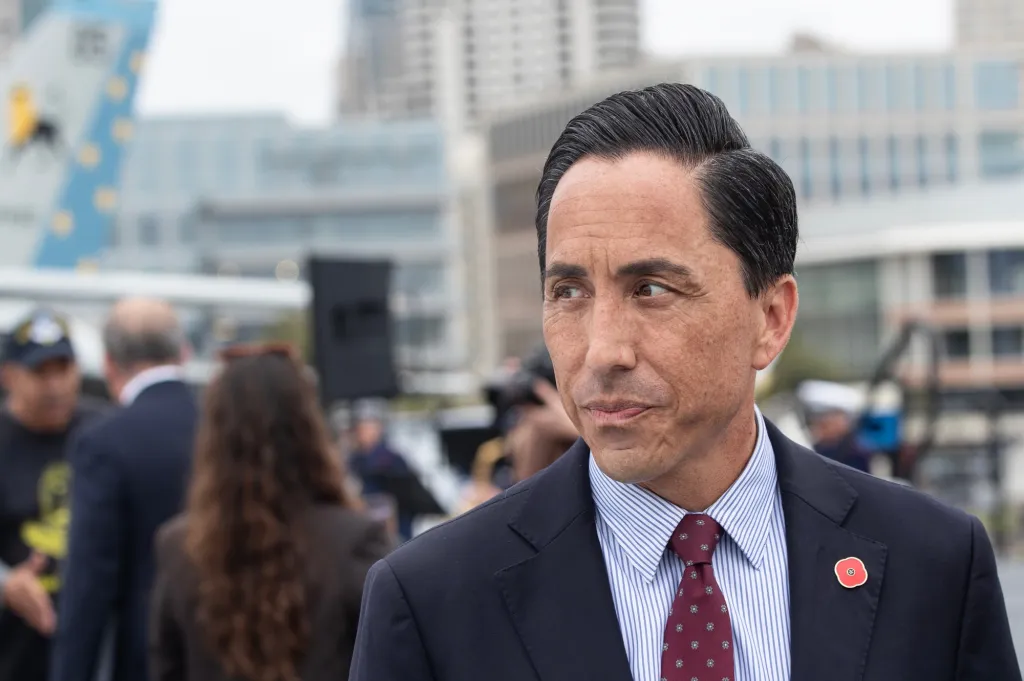
“I wouldn’t call it a turnaround, but I would call it enough for us to reasonably restore some of these services,” Mayor Todd Gloria said.
That was before a lawsuit was settled that will lower new trash-pickup fees and eliminate new parking fees in Balboa Park. Those change will reduce revenues used to balance future city budgets, but the hit was far less than it could have been.
Supervisor Monica Montgomery Steppe said the county’s budget “is balanced because we made disciplined choices and protected our priorities.”
Termed-out Gov. Gavin Newsom, serving his final year in office, said he wasn’t leaving his successor holding the bag, at least not right away. “This is a balanced budget structurally for the next 18 months after I’m gone.”
Not surprisingly, red flags were still waving at the future for state and local governments.
The ubiquitous term “structural deficit” haunts elected officials year-round, but naturally it is uttered more frequently during budget season. It refers to a constant financial imbalance where an agency’s expenses regularly exceed its incoming revenues, pretty much in good or bad economic times.
That’s why the state’s nonpartisan budget watchdog, the Legislative Analyst’s Office, quickly poured cold water on Newsom’s good-news budget moment.
The governor suggested the state adopt a combination of spending cuts and adjustments that would would reduce the state’s future projected deficits to about $10 billion, down from the roughly $20 billion to $30 billion hole initially projected by the analyst’s office and other estimates, according to Inside California Politics.
That doesn’t sound too bad in a nearly $350 billion budget. But the analyst’s office notes this is happening during relative boom times for the state, and the stock market and burgeoning artificial intelligence industry are approaching “bubble territory.”
In a report, the analyst said a structural deficit during such revenue increases is a “warning sign” and called the situation “genuinely unprecedented.”
While crediting the governor with making cuts and other moves to stabilize the budget, the report said “the underlying budget condition is not sound.”
Despite the revenue bump, Newsom’s final budget calls for taking $20 billion from state reserves and suspended deposits, plus $4 billion in new borrowing — essentially closing the high end of initial budget-gap projections.
The analyst said even a repeat of the 2022 market declines — “mild by historical standards” — could cause serious problems. A stock market downturn like the dot.com bust starting in the late 1990s could reduce state revenues by $100 billion, according to the report.
Since fiscal year 2019-20, state spending has grown by more than $100 billion, primarily from maintaining and expanding K-14 education, according to the analyst.
Not all those circumstances are transferable to the county and city of San Diego — especially education spending — but some are.
Read more Man killed in suspected hit-and-run in Escondido
San Diego County’s draft $9.15 billion budget relies on about $95 million in reserves. As the Union-Tribune’s Lucas Robinson noted, that money was made available by an earlier loosening of restrictions on dipping into the reserve — a policy advanced by the Board of Supervisors’ three Democrats and opposed by its two Republicans.
Going into the budget process, the county faced a $180 million gap in proposed spending and revenues. In addition to reserve funds, the shortfall was closed by eliminating 114 vacant jobs, adjusting contracts and among other things.
The county may have caught a bit of a break this year in the expected burden from federal cuts and new eligibility requirements in programs such as food stamps and Medicaid, which the county administers.
Robinson reported that officials expected the additional costs to total around $300 million, but in reality they have been considerably less so far.
Still, Newsom warned that President Donald Trump’s cuts could boot about two million low-income Californians off their health care plans. The governor did proposed adding some $350 million to subsidize private health care for low- and middle-income residents. But he did call for increases to premiums for undocumented immigrants.
As with the state and county, the city of San Diego’s revenues are not keeping pace with expenditures — and haven’t for years under both Democratic and Republican mayors, according to David Garrick of the Union-Tribune
Gloria’s proposed budget doesn’t pull money out of city reserves, but the mayor calls for suspending this year’s planned $55.6 million contribution to the reserve fund to help balance the $6.47 billion . Earlier, the city had been looking at a $118 million deficit.
On May 13, he proposed reversing his earlier proposed cuts to library hours, recreation center hours and restroom maintenance and the popular December Nights festival in Balboa Park.
The city budget is about a five percent increase over the previous year, while the county’s is about 6 percent higher. CHECKcity
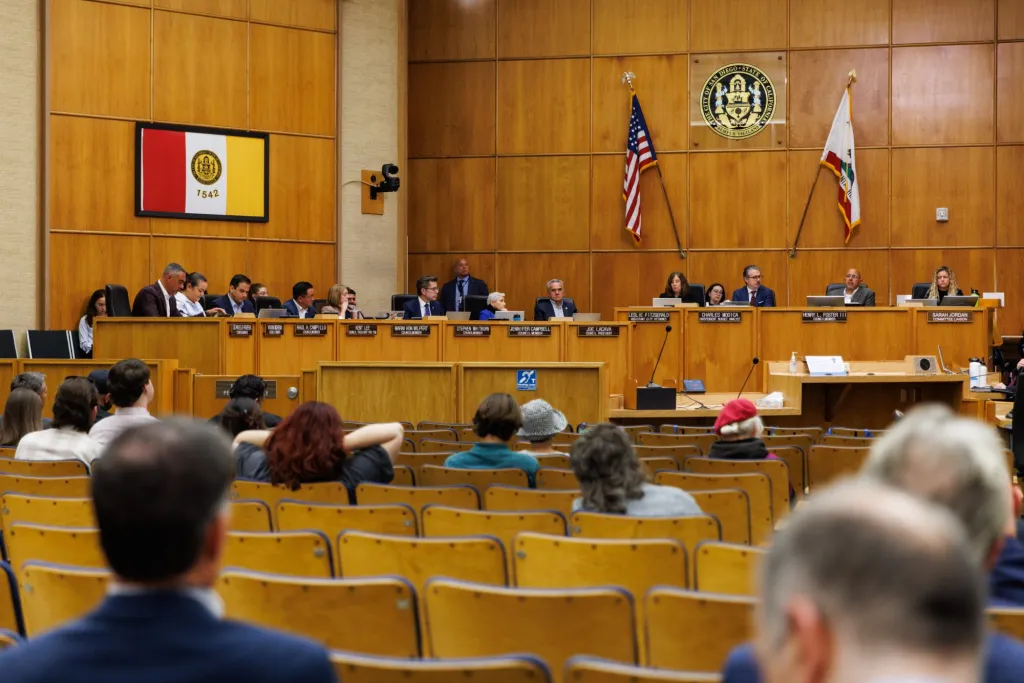
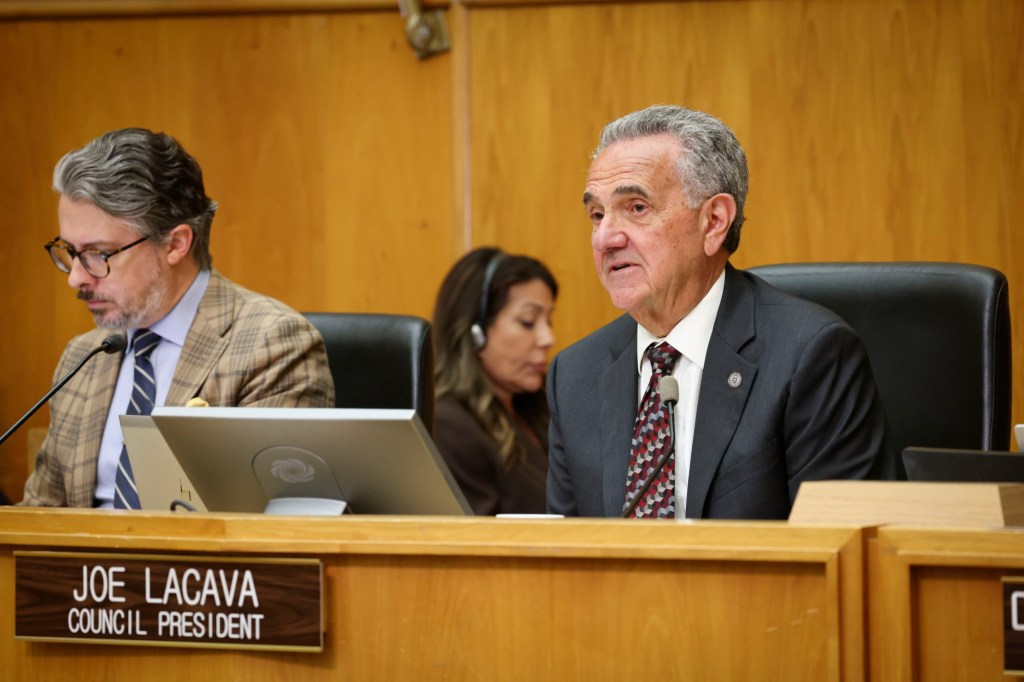
This latest round of budget updates is known as the annual “May revise,” when more accurate revenue and spending projections become available than when the initial proposals were unveiled. Negotiations with state lawmakers, supervisors and council members will commence.
But all budgets face uncertainty of many variables, beyond economic catastrophe like a market crash. That’s already happening with the aforementioned trash and Balboa Park fees. The upside is the deal for the city is the agreement cancelled planned ballot measure repealing the trash fees entirely, blowing a huge hole in the budget.
Conversely, the city will collect millions of more dollars annually if voters next month approve Measure A, a new tax on second homes that are vacant for more than half the year.
Meanwhile, an initiative pushed by unions and nonprofits for the November ballot would raise the countywide sales tax by a half-cent, bringing in an estimated $360 million in the first year.
Part of the rational for the tax measure was to help offset federal social service cuts. And that brings in perhaps the biggest variable of all. The cuts in Trump’s “Big, Beautiful Bill” have yet to fully kick in.
When the full impact of those and other federal reductions are felt in local and state budgets, it won’t be pretty.
Los Angeles Times
“For the first time, a warm winter just wiped out SoCal’s little-known cherry harvest.”
Read more Santee kicks off Pride Month celebrations with annual walk and festival