






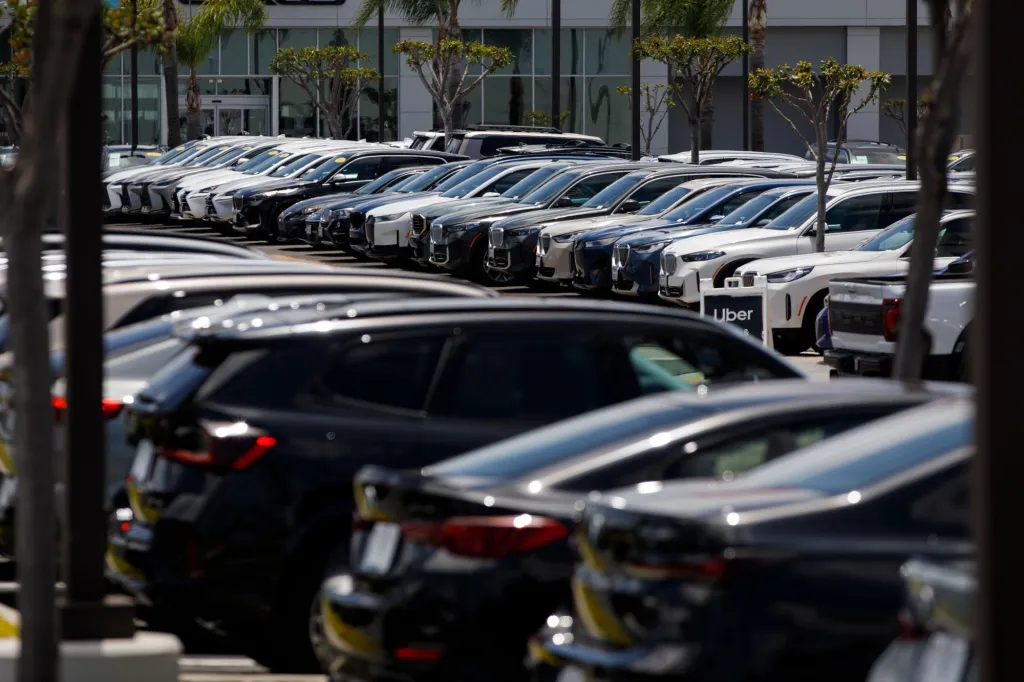
The car market has a pricing problem, and a new report from Edmunds.com says it’s not going away soon.
Read more Wall Street quietly mixed as chip companies continue to lose ground following Wednesday’s sell-off
The automotive website crunched the data and found the average transaction price for a new car and truck in the U.S. topped $48,000 last year.
Further digging showed that the average for a new vehicle in California came to $49,611 in 2025. That’s $10,000 more, or 26.7% higher, than 2019.
Whatever happened to the new car you could buy for $25,000?
“It doesn’t exist,” said Ivan Drury, senior manager of auto insights at Edmunds, who co-authored the report that came out last week.
He’s only slightly exaggerating. Seven years ago, one-fifth of new vehicles sold for $25,000 or under. But in 2025, the report said that figure dropped to 4.7% nationally.
What’s more, the sub-$35,000 segment that once represented 54% of the U.S. market now accounts for fewer than three in 10 sales.
The Edmunds report pointed out that many carmakers have discontinued low-priced subcompacts, such as the Toyota Yaris, the Nissan Versa and the Honda Fit. For years, consumers have flocked to SUVs and pickup trucks rather than sedans.
“You look at it through two different perspectives,” Drury said. “Did these (subcompacts) even sell in volumes from the get-go? Or were they sitting on the lot, taking up space that could go to something that was more expensive that somebody actually wanted to buy? … It was kind of like self-selection.”
Another factor, Drury believes, is the proliferation of features — known as “trims” in the parlance of the auto industry — at various price points that buyers are attracted to and often become increasingly reliant on.
Options include the latest tech upgrades involving infotainment, leather interiors, 360-degree cameras and self-parking.
“If you’ve had ventilated seats in the past, you are not going to go and buy (a vehicle) that doesn’t have it,” Drury said. “These things that were ‘wants’ back in the day are now ‘needs.’ I honestly think a lot of people would not be able to park their car without their backup camera. They wouldn’t know that you’re supposed to put your hand behind the passenger seat and turn your head. It’s kind of crazy, but that’s where we are.”
One would think consumers would find some financial refuge in the used-car market. But prices in that segment have risen at an even higher rate.
A 3-year-old used car in California had an average transaction price in 2019 of $23,554. In 2025, the average price zoomed to $33,397 — almost $10,000 more, or a 41.8% increase, according to Edmunds data.
Prices for used vehicles went wild at the onset of the pandemic because a shortage of microchips that go into new cars squashed supply lines, leaving dealerships lots empty. Consumers with pent-up demand bought used cars at top dollar.
While COVID-era prices for used cars have declined, they haven’t fully retreated.
Plus, a dip in the sale of new cars in recent years has reduced the number of vehicles heading to the pre-owned market — not to mention that drivers tend to keep their cars and trucks longer than they used to.
In addition, rates for used car loans typically run higher than those for new vehicles.
Read more From the beach to the mountains, here’s your Fourth of July weather forecast
Speaking of lending, not too many years ago many dealerships offered 0% financing. Today, the current average for a car loan hovers around 7%, adding thousands of dollars over the life of the loan.
And while it’s hard for some to believe, car loans that run for seven years have become much more common.
Loans of 84 months and longer made up 22.9% of financed new-car purchases in the U.S. during the first quarter of this year — an all-time high.
While the low-priced vehicle market is shrinking, the high-end market is booming.
Large SUVs were already expensive in 2019, with nearly 59% of them selling for more than $60,000. But the Edmunds report showed that by 2025 that number had climbed to 95%.
It’s the same story for full-sized pickup trucks. Seven years ago, only 8% sold above $60,000. Today, nearly half do.
Vehicles of all types priced at $70,000 and higher have more than tripled their market share between 2019 and 2025.
Drury worries the market is getting too expensive for too many.
“I think automakers, while they’ve been riding high for so long, they may see that at some point, you will lose customers,” he said.
“Yes, you’re selling $70,000 SUVs today but will you in 10 years when you never even made an attempt to grab somebody when they were out of college, when they go their first job? Those vehicles are the ones that make huge impressions. Sometimes you get those customers for life.”
While the market for less expensive new cars has shrunk, there are still a few selections starting below $25,0000, such as the Chevy Trax, the Honda Civic, the Mazda3, the Nissan Kicks and the Hyundai Venue.
The Ford Maverick pickup truck boasts a sticker price starting at $26,771.
SlateAuto, an electric vehicle startup, made headlines last week with its plans to roll out a zero-emissions pickup for a base price of $24,950. The stripped-down version goes retro, with no touchscreen, not even a radio and hand-cranked windows. It touts a range of 205 miles.
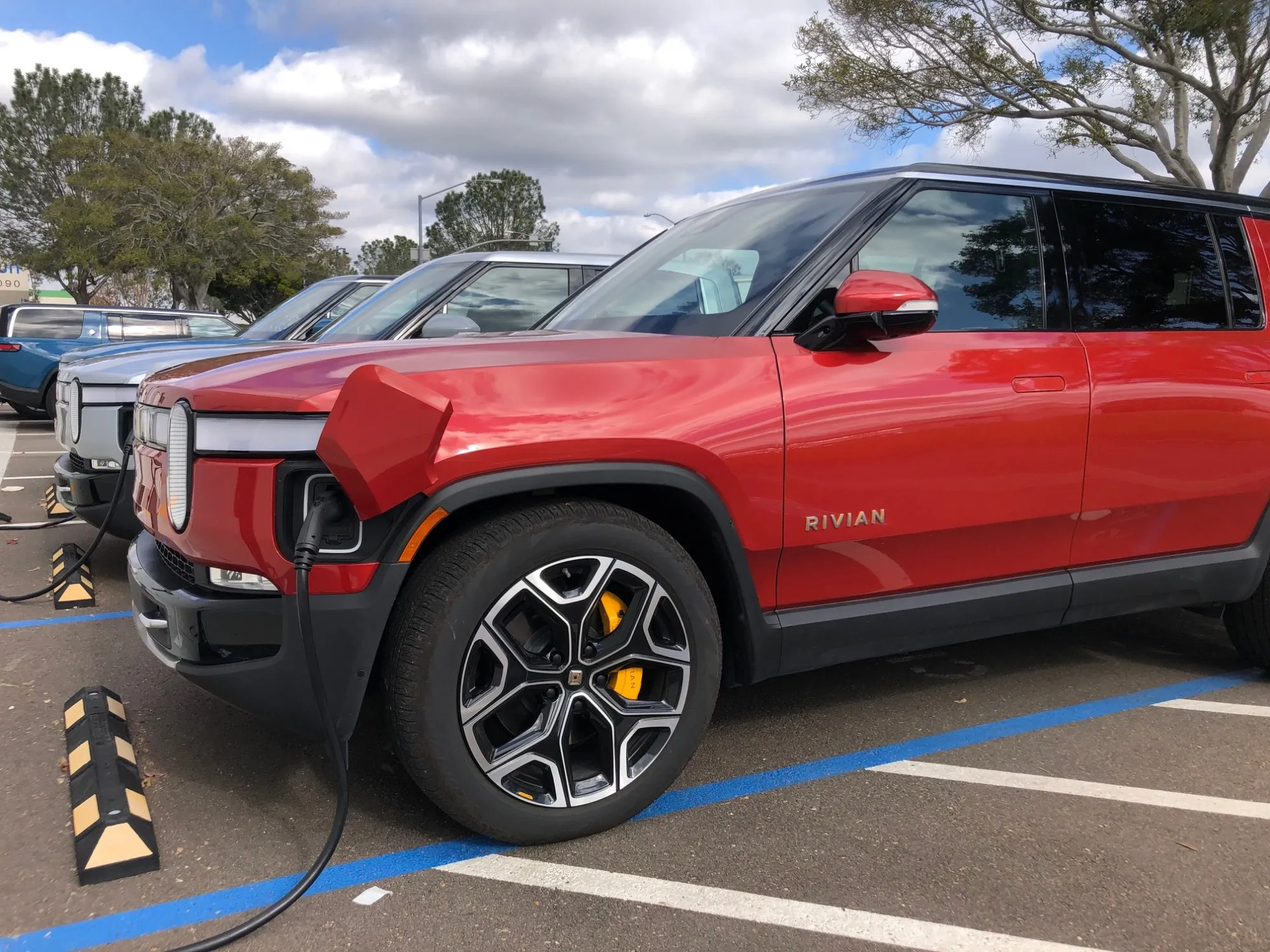
“We have a different cost structure and a different business model than other automakers have,” Slate CEO Peter Faricy told CNBC. Similar to other EV makers such as Tesla and Rivian, SlateAuto will deliver vehicles to customers via preorders, rather than selling them on car lots.
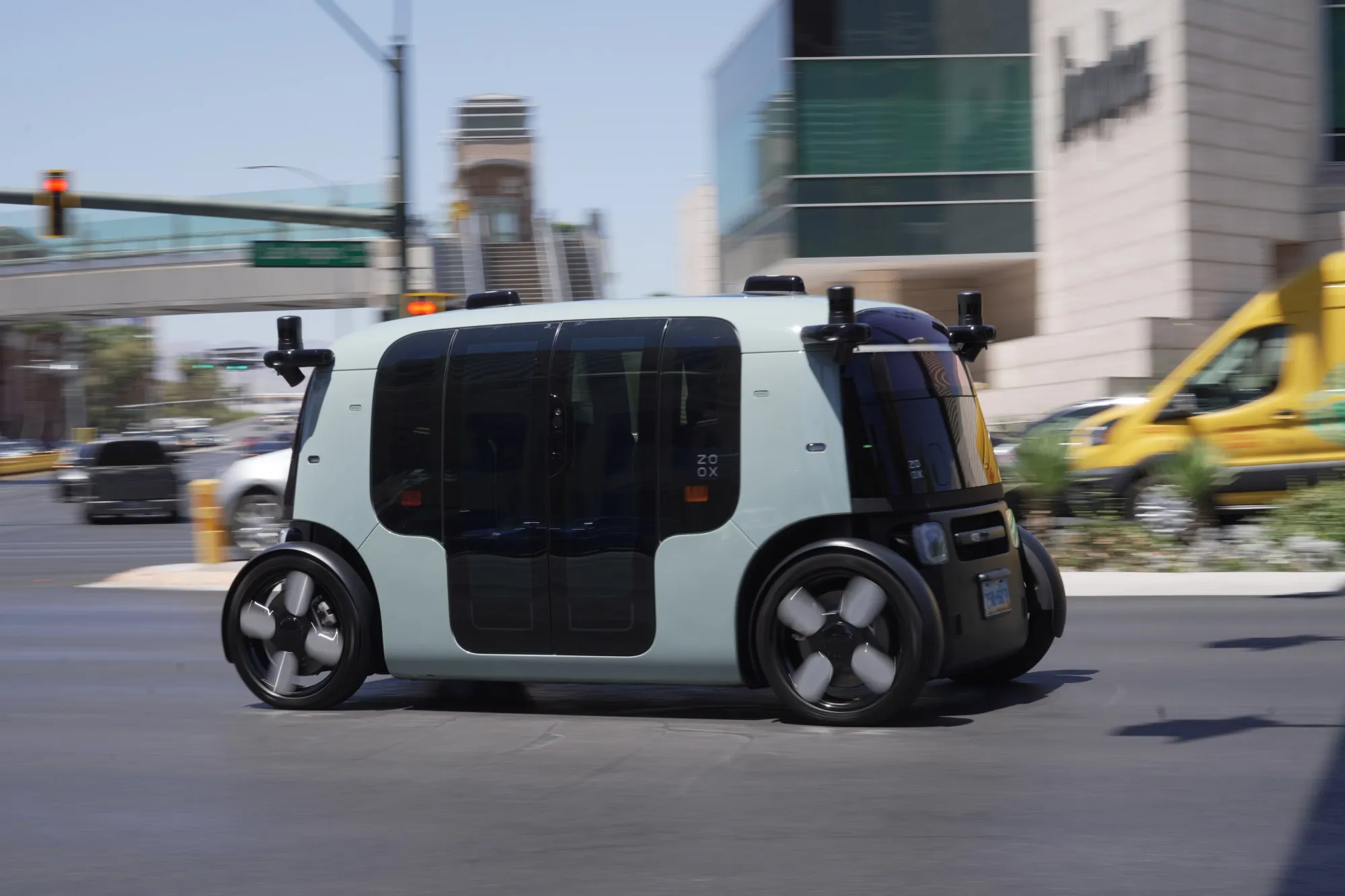
Norm Miller, emeritus professor at the Knauss School of Business at University of San Diego, said the soaring car prices may create an opening for low-end EVs and, in the not-so-distant future, autonomous vehicles.
“I think the market is bi-modal, in that when you start an industry like the electric cars, you have to start high-end,” Miller said. “But once you scale up and once you’re sure that the market is large enough to go mass scale, that’s when you start bringing in the cheap models … So I think there will be plenty of demand for the low-end if the industry produces them.”
As for now, what advice would Drury of Edmunds.com give to a first-time buyer?
“I think people have to wrap their minds around getting something older than they initially expected,” he said. “Or they’re going to have to really come to terms with leasing, which is still the cheapest way to get into a new car.”
Automakers from China, such as BYD and Geely, sell very low-priced vehicles in countries including Mexico but they aren’t available in the U.S. The reasons include prohibitive import tariffs, regulations that effectively ban Chinese software in passenger vehicles, federal vehicle safety standard compliance, resistance from the auto sector and a lack of dealer networks.
Read more Iran warns oil tankers to use approved routes in Strait of Hormuz or face a ‘forceful response’