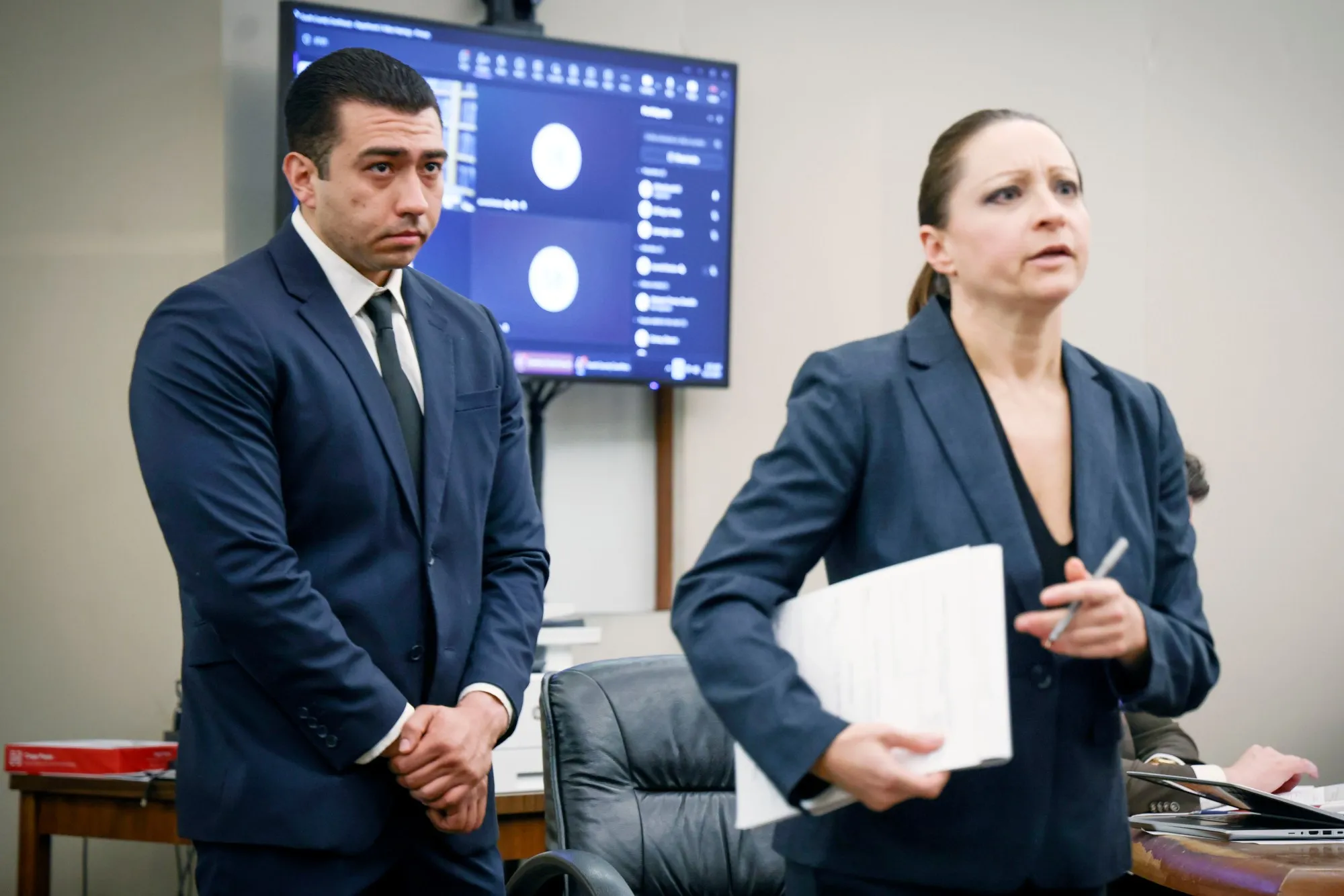








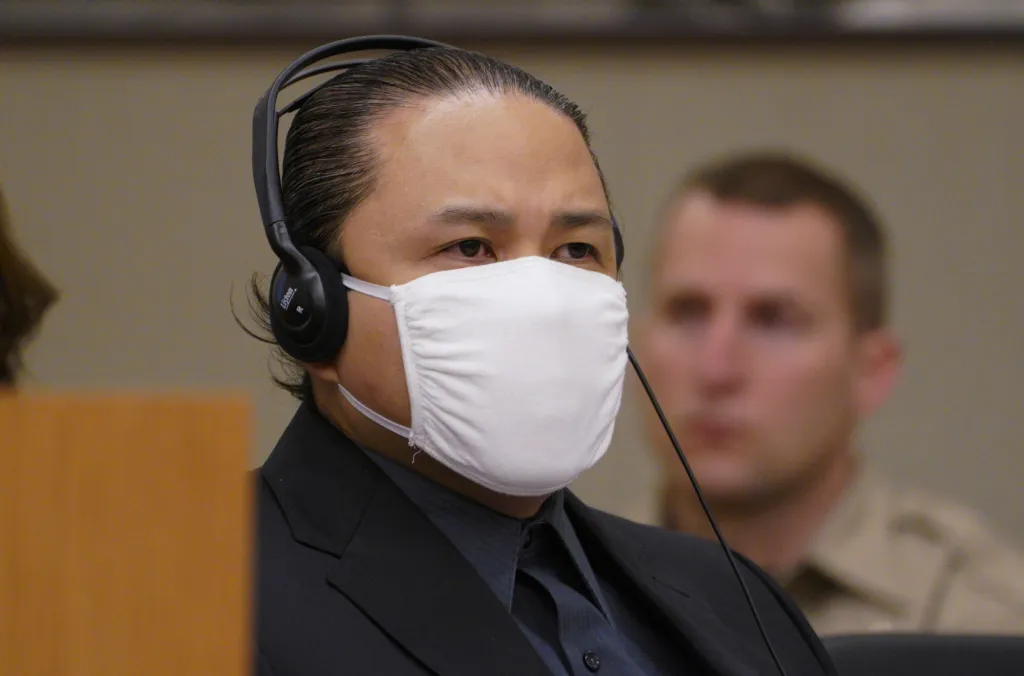
After seven weeks of trial testimony from more than 60 witnesses, a Chula Vista Superior Court jury heard a prosecutor’s closing argument Tuesday in the murder trial of Larry Millete, who stands accused of killing his wife, May “Maya” Millete, who has been missing since January 2021.
Read more ‘She was a hero’: Families, advocates of those who died in jail honor journalist Kelly Davis
Millete’s defense team is scheduled to give its closing argument to the jury Wednesday morning.
Deputy District Attorney Christy Bowles reminded the jury Tuesday that May had big plans for 2021 and showed no signs of wanting to abandon her family, especially her three children.
“May Millete would not, could not, and did not leave her children,” Bowles began her argument Tuesday in a packed courtroom.
It was the same line she’d used during opening statements in May, but Bowles said this time, jurors could reach the same conclusion since now they had heard all of the evidence.
“You have all the pieces you need,” the prosecutor told the jurors. “He is guilty. The evidence is overwhelming.”
May, 39 at the time, was last seen in a neighbor’s surveillance footage arriving at her Chula Vista home the afternoon of Jan. 7, 2021. Phone records showed she was messaging friends and searching the internet until later that evening, according to prosecutors. Bowles said her phone “terminated” — it was either shut down for good or destroyed — around 1:25 a.m. the next morning.
She has not been seen or heard from since.
Bowles told the jury that the reason May’s body has not been found is because Millete disposed of it.
“Bodies do not hide themselves,” Bowles told the jury, arguing the very fact that her body hasn’t been found is more evidence that the killing was premeditated.
Before the jury heard closing arguments Tuesday, Judge Enrique Camarena denied a defense motion to issue an order of acquittal. Defense attorneys Colby Ryan and Liann Sabatini argued outside the presence of the jury that the prosecution had not presented sufficient evidence to secure a guilty verdict for any crime, much less first-degree murder.
Camarena later instructed jurors that they could potentially convict Millete on lesser murder or manslaughter charges. He also instructed the jurors that in order to convict Millete on a first-degree murder charge, they didn’t have to agree on a singular theory of how he carried out the murder.
That could be key for the prosecutor, who must convince the jury of Millete’s guilt without direct evidence of his wife’s death.
California law allows prosecutors to charge a person with murder when the victim is presumed dead and no body has been recovered. The county District Attorney’s Office has prosecuted at least eight such cases dating back to 1997, according to an office spokesperson.
Bowles ended her argument Tuesday telling the jury that there was a mountain of circumstantial evidence that all pointed to Millete as his wife’s killer.
“You know what he did. You know why he did it. You just don’t know how,” Bowles said. “But the law does not reward a murderer just for successfully hiding a body.”
During her methodical closing argument, Bowles spent hours going over the circumstantial evidence that jurors heard during the trial, such as Millete’s messages with “spell-casters.”
Online spell-caster Frank Peavy testified during trial that Millete was desperate and obsessive in his requests for spells that would make his wife fall back in love with him and prevent her from leaving. Millete’s demands for spells later turned darker, wishing harm upon his wife and the man with whom she was having an affair.
Bowles went through a lengthy recounting of the circumstantial evidence that she said established Millete’s mindset and his desires to harm his wife in the months before she disappeared. Then, she switched to a recounting of Millete’s allegedly suspicious activities around the time his wife went missing.
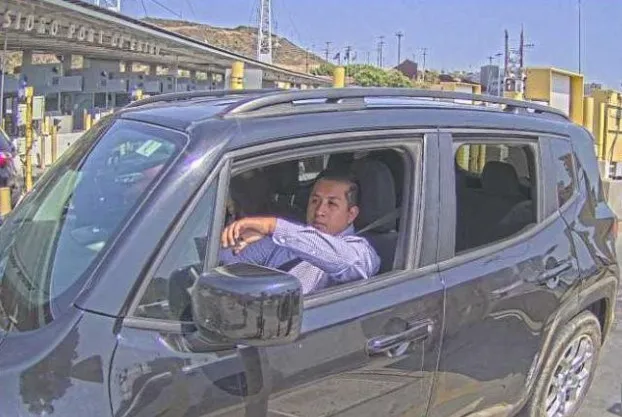
She told the jury that on the day after May was last seen alive, Millete turned off his phone, left early in the morning in his Lexus SUV and was gone for more than 11 hours. She said evidence presented at trial showed he drove 444 miles, arguing it was during that trip that he disposed of her body.
Bowles said Millete’s phone battery didn’t die that morning, as he has claimed. Instead, the battery was at 87% when he turned it off, she said, citing trial evidence from an investigator.
The prosecutor said Millete also deleted or tried to delete text messages, an email account, location data and other digital information.
And she argued that the sound of “dragging” could be heard in a surveillance video from the morning after May was last seen alive, after the video showed Millete backing his SUV nearly into his garage for several minutes before driving away.
The defense will present its closing argument first thing Wednesday. Bowles will have one last opportunity to rebut before the jury begins deliberating.
Read more Democratic-led states face backlash over National Guard deployments in Washington