







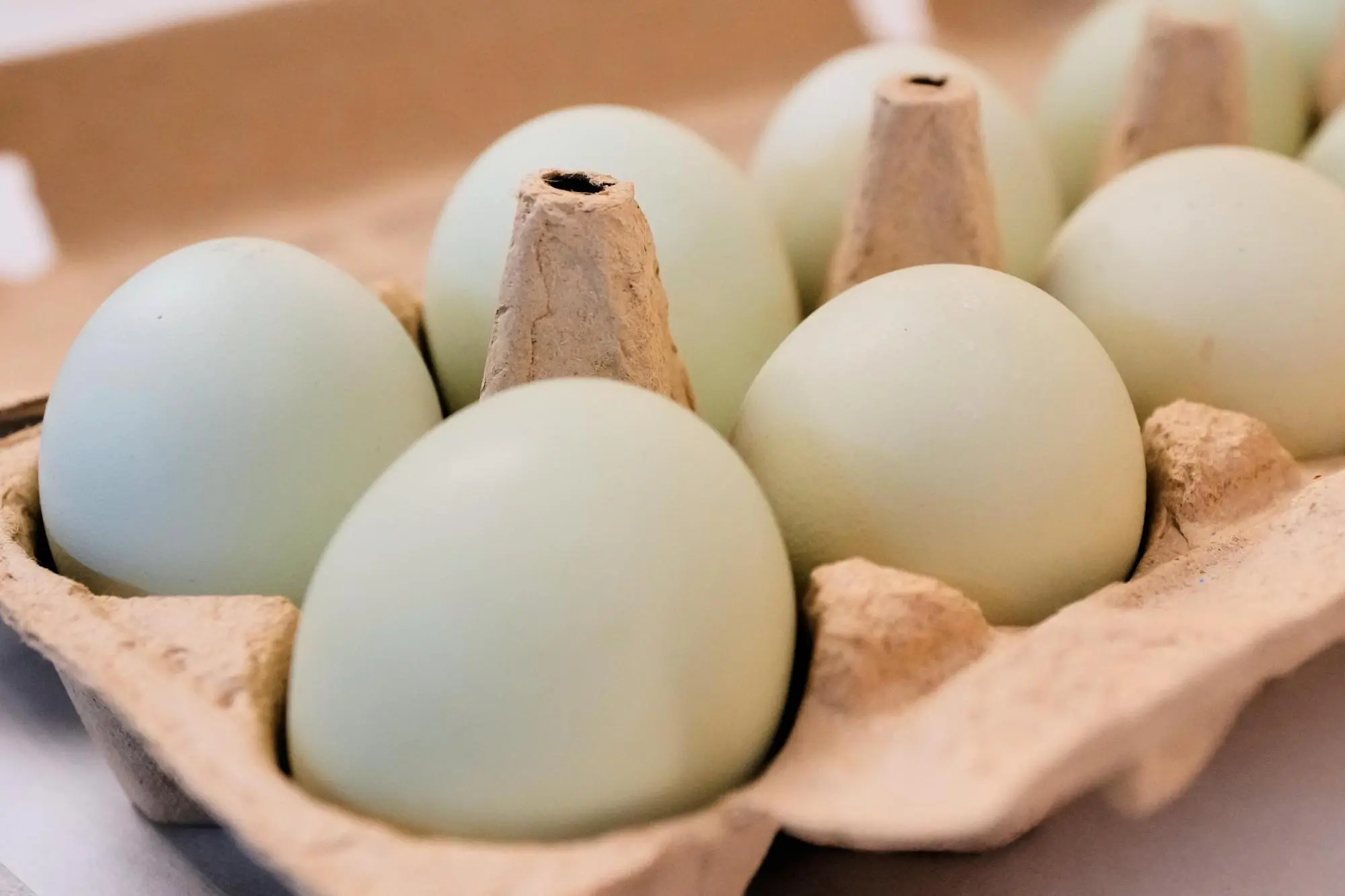
A Ramona mother sued two companies in San Diego civil court this week after getting caught up in a salmonella outbreak linked to tainted mayonnaise.
Read more Parole granted for San Diego woman who, as a teen, teamed with sibling to kill stepfather
Meanwhile, the case total grew Friday afternoon, from 21 to 23 confirmed and suspected cases, according to the county health department.
Eighteen of those cases were linked to mayonnaise — called “Ramona Red Sauce” — made by Ramona Family Naturals Market, which used eggs supplied by nearby Happy Hens poultry farm. Five additional cases have involved patients who contracted salmonella infections after consuming eggs from the ranch, the county said.
Seven patients have been hospitalized. The most recent case was detected on Sunday, Aug. 16.
San Diego attorney Fredric Gordon, working with William “Bill” Marler, a Seattle-based personal injury lawyer who specializes in foodborne illness cases, filed the lawsuit, which alleges negligence, on behalf of Ramona resident Whitney Hight. Marler is widely known for pursuing outbreak-related cases, individually or in class action.
This focus started, as the attorney notes on his website, in 1993 with a $50 million judgment against Jack in the Box restaurants related to a multi-state E. coli outbreak caused by contaminated hamburger patties.
The suit states that Hight purchased and consumed chicken salad from the market on June 25. Two days later, the lawsuit states, Hight, 36, suffered severe abdominal pain, cramping, a 103-degree fever, chills and severe gastrointestinal symptoms.
She had not recovered a week later and tested positive at Palomar Medical Center Escondido for salmonella infection.
By the Fourth of July, symptoms were still overwhelming.
“She spent much of the day in bed in tears, frightened about her health, and uncertain whether she would recover,” the lawsuit said.
Hight’s attorneys allege that using raw eggs in mayonnaise violates state law unless a written variance is granted by the California Department of Food and Agriculture and that “no such variance was ever issued to Ramona Family Naturals for the use of raw shell eggs in its house-made mayonnaise.”
Read more US plans to pay $850 million of the $5 billion it owes the United Nations
“The burden of preventing foodborne illness rests on those who grow, produce, handle, distribute, prepare, and sell food, and not on the consumer, who has no ability to detect or eliminate a pathogen in ready-to-eat food,” the lawsuit states.
Neither Ramona Family Naturals Family Market nor Happy Hens responded to requests for comment Friday.
Happy Hens is accused of failing to follow proper salmonella prevention for its flock, which it estimates on its website includes about 14,000 laying hens. But in a YouTube post about the outbreak investigation, an official with the egg producer said that Happy Hens followed salmonella prevention protocols.
A California Department of Food and Agriculture spokesperson confirmed in an email Friday afternoon that the U.S. Food and Drug Administration inspected the farm after being notified of the outbreak but added that “CDFA does not comment on active investigations.”
Marler said the lawsuit’s claim that Happy Hens’ salmonella prevention practices were negligent, despite the government not yet commenting on the status or effectiveness of those practices, is an inference based on what is known about the outbreak so far.
“It is an allegation that we need discovery on,” Marler said in an email. “Somehow, this outbreak happened, and we need to get to the root cause.”
But experts note that eggs never have zero salmonella risk even when laying hens are vaccinated, as is the law in California.
Maurice Pitesky, a veterinary medicine professor specializing in poultry health and food safety epidemiology at UC Davis, said in an email that, because no prevention program is perfect, eggs produced by fully compliant ranches can still contain salmonella.
“That is one of the main reasons people should not be consuming uncooked egg products,” Pitesky said. “Prevention plans reduce risk, but assuming that just using prevention should solve the risk of salmonella is the equivalent of ‘putting all your food safety eggs in one basket.’”
Read more Oceanside creates openings for two more cannabis retail licenses