






San Diego County is facing a spate of new litigation filed by scores of plaintiffs who say they were victims of sex abuse and other misconduct while housed in juvenile halls or foster care facilities, deepening a legal crisis that could eventually cost county taxpayers hundreds of millions of dollars.
At least 88 former wards of the Probation Department and Health and Human Services Agency have accused county employees of rape, fondling, threats and retaliation, among other crimes, while they were in county custody as children decades ago.
The two latest lawsuits each have 40-plus plaintiffs, boosting the total number of people accusing San Diego County in pending lawsuits of childhood sexual abuse past 300.
One of the new cases comes from former residents of the Polinsky Children’s Center, the temporary shelter in Kearny Mesa that treats children who are removed from their homes for their own protection.
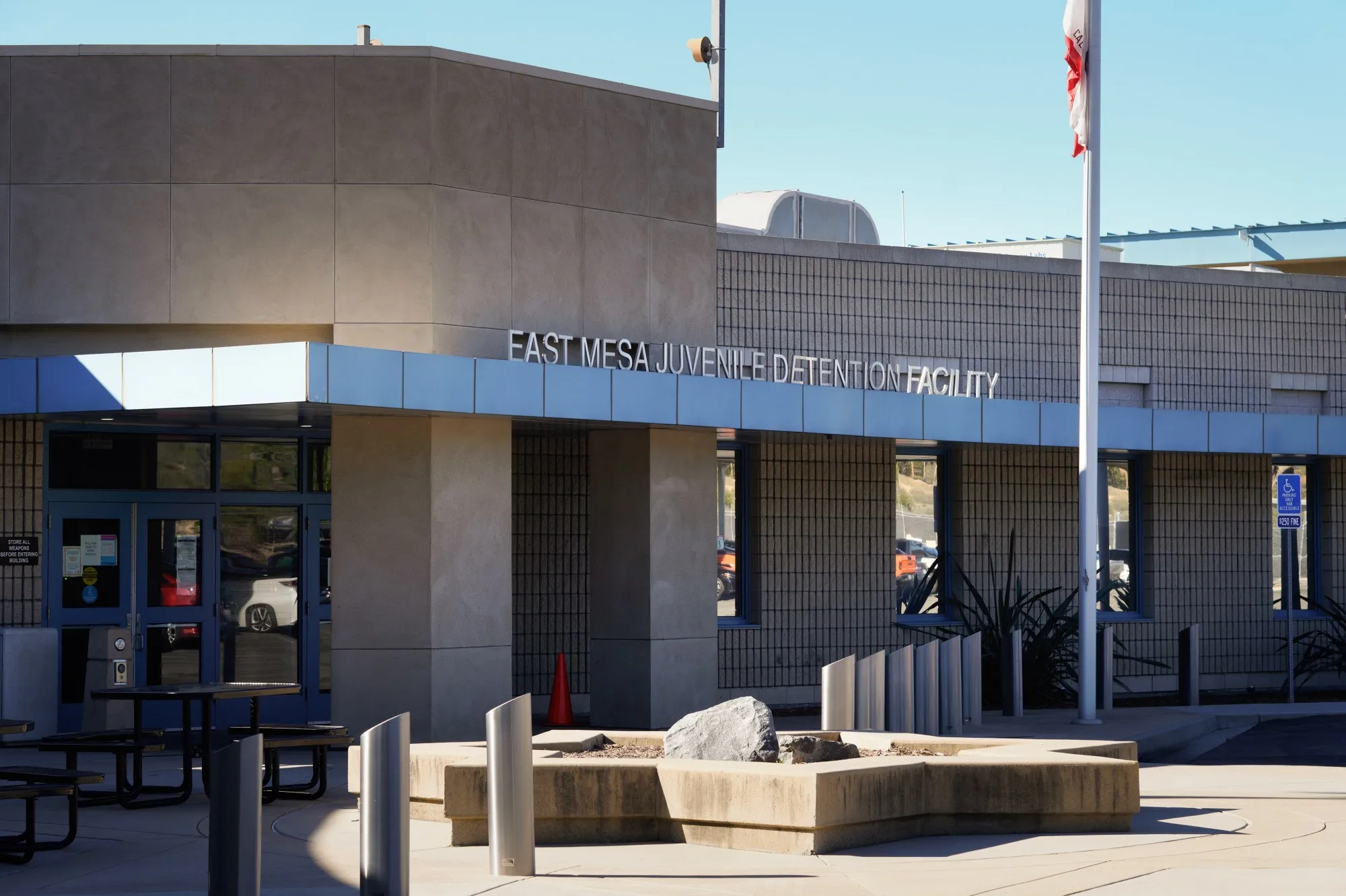
The other was filed by dozens of former wards in the county’s juvenile halls, which house young people who have been ordered into detention by judges.
Both lawsuits were filed in recent weeks by the San Diego law firm DiCello Levitt. They join hundreds of other such lawsuits already winding their way through the San Diego Superior Court.
Last month, eight other plaintiffs came forward with allegations of sexual abuse inside county detention facilities.
The latest legal complaints describe case after case of boys and girls who say they were sexually assaulted by probation officers or social workers and then threatened with retaliation if they spoke out about the mistreatment.
“The abuse at (county facilities) was not a matter of isolated misconduct by a few rogue employees,” one of the new lawsuits alleges.
“Rather, it reflects a longstanding, systemic failure on the part of county officials to address warning signs, investigate credible allegations and maintain adequate supervision and accountability within these institutions.”
San Diego County officials declined to discuss the abuse allegations in any depth, citing a policy of not commenting on pending litigation. But a spokesperson said in a statement that the county works to keep young people safe and is closely reviewing the abuse claims.
“We have comprehensive training, rules, procedures, and additional oversight to ensure the health and safety of children in our care,” spokesperson Tim McClain said by email. “The county is thoroughly investigating and will work through the legal system to resolve these claims and do what is right for anyone who has been harmed.”
McClain did not address questions about what specific steps San Diego County has taken to reduce or eliminate the threat of sexual abuse inside its youth facilities, or the lawsuits they can prompt.
Elected county supervisors also declined to spell out what they are doing to quell the alleged abuse and costly litigation.
None of the five members of the Board of Supervisors would say this week what they have done or plan to do in response to the escalating allegations of sexual abuse inside county shelters and detention facilities.
The San Diego Union-Tribune also asked each of the supervisors last September what they were doing to prevent sex abuse and ensure accountability for it in county facilities.
None responded in any detail. Supervisors Jim Desmond and Joel Anderson did not reply at all. The others each issued statements decrying abuse but stopping short of committing to new policies or spending that might prompt change.
“Every child deserves to grow up safe and cared for,” board Chair Terra Lawson-Remer said in her statement last fall. “As leaders, we have a moral obligation to put the wellbeing of children first, and I take that responsibility with the utmost seriousness.”
The rising number of legal claims against San Diego County come as the independent civilian oversight board charged with monitoring the Probation Department and network of foster-care facilities is struggling to stay afloat.
Read more An 18-year-old with a sword attacks a school in Sweden, leaving 1 dead
Superior Court Presiding Judge Michael S. Groch earlier this year withdrew all administrative support for the Juvenile Justice Commission, a state-mandated board charged with inspecting facilities and issuing public reports about internal operations.
As of July 1, the commission’s reports, meeting agendas and other materials are no longer available on the court website.
Court officials say the move was needed to preserve its own neutrality because the oversight panel too often issues findings and promotes policies that might conflict with its own mission.
County leaders, meanwhile, say they are working to preserve the commission beyond next month, when the 10 volunteer appointees plan to resign en masse once the current liability insurance policy expires.
The two latest sexual-abuse lawsuits contain allegations that mirror prior cases filed against San Diego County youth shelters and detention facilities.
In many cases, the plaintiffs say, the abuse was not reported for fear of having their detainment extended or privileges withheld. In others, victims say they reported the assaults to supervisors, but no action was taken.
The lack of accountability feeds further abuse, plaintiffs say.
One plaintiff identified only as Jane Roe 329975 said she was repeatedly sexually abused in a storage closet and other private areas of a county facility by a guard named Garcia, and later assaulted by another guard identified only as Officer G.
“Plaintiff stated defendant Officer G confirmed he knew about defendant Officer Garcia when he threatened, ‘I know about Defendant Officer Garcia’,” the lawsuit says. “‘If you don’t do some of that with me, I will kick you out of this program and you won’t get outta here until you’re 18.’”
Sexual-abuse claims against public agencies have exploded across California in recent years due to legislation that gave alleged victims of childhood sexual abuse more time to pursue damages against schools, county detention facilities, foster homes and other institutions.
Assembly Bill 218, introduced by former San Diego Assemblymember Lorena Gonzalez, extended the statute of limitations to pursue civil damages for alleged childhood sexual abuse to age 40, or up to five years after the trauma was discovered. It also opened a three-year window, now closed, in which any alleged victim could sue, however old they are.
Since that bill went into effect in 2020, other legislation also has broadened plaintiffs’ rights to sue for damages related to alleged abuse.
Los Angeles County last year agreed to a $4 billion settlement to resolve claims filed by almost 7,000 victims dating back to the 1950s. Earlier this summer, a judge agreed to allow those payments to move forward after a challenge by the district attorney there.
Attorney Douglas Rochen, who represents plaintiffs in the two latest San Diego County lawsuits and also worked on the Los Angeles County case, said jurisdictions need to do more to protect young people in their charge.
“We know there have been historical problems within county juvenile detention centers, not only in California but across the United States, where you have an imbalance of power,” he said. “People take advantage of youth who don’t have a mechanism to complain.”
To prevent that, Rochen suggests improving camera systems, increasing staff, requiring body-worn cameras and prohibiting employees from being alone with children.
“There are good officers out there, and there are people trying to do the right thing,” he said. “But they are unfortunately not always the people who are in control.”
All of the cases are pending in San Diego state and federal courts. To date, lawyers for San Diego County have contested the allegations. It’s not yet clear if the claims eventually will be consolidated into a single proceeding.
Read more US housing affordability gauge worsens for first time since 2023