







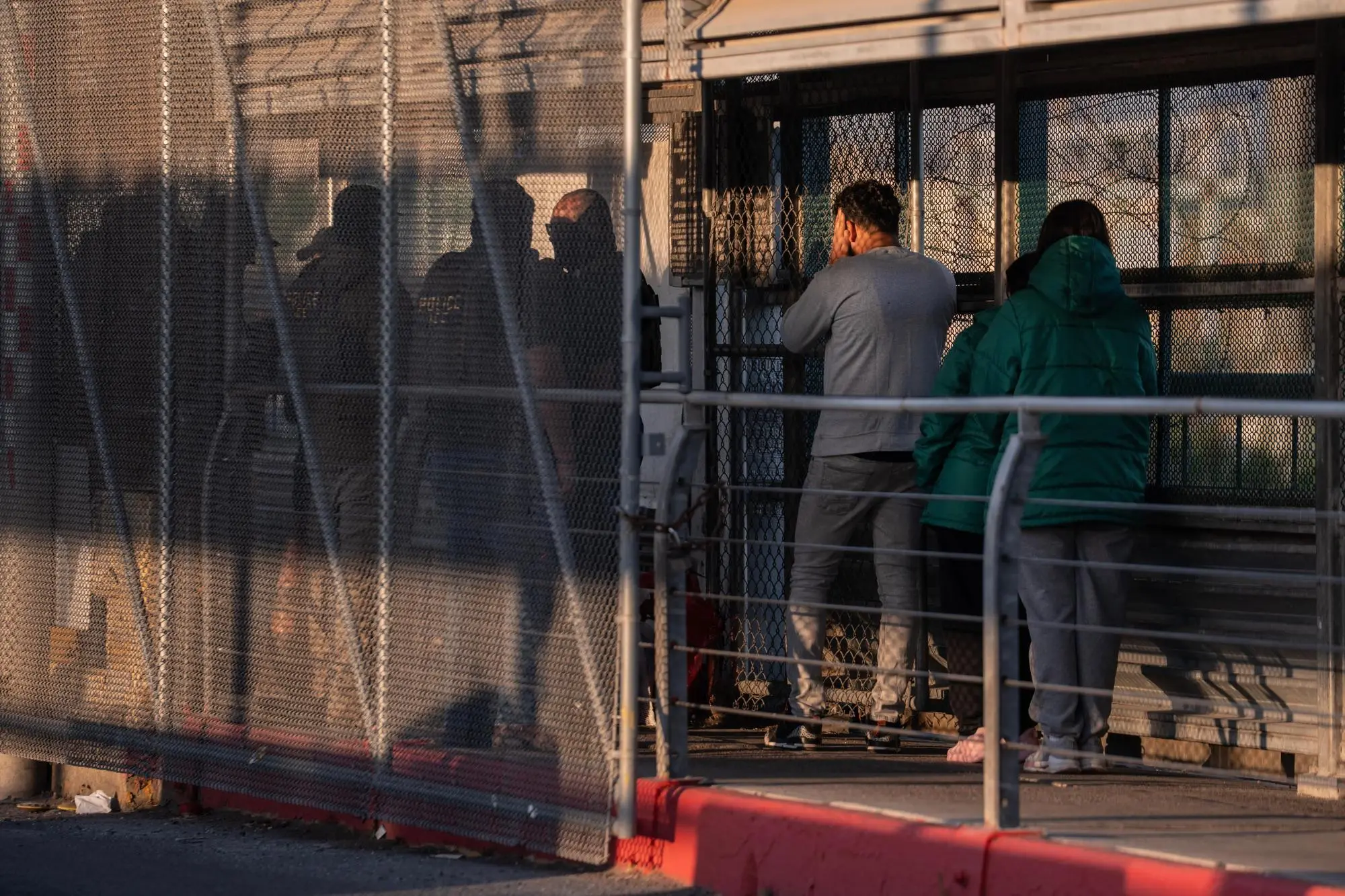
The Trump administration’s policy of holding immigrants without a chance for release on bond is illegal and “harkens back to some of the darkest moments in our country’s history,” including the mass detention of Japanese Americans during World War II, a divided federal appeals court ruled Thursday.
Read more Investigation launched into death of man found next to park bench in Santee
The 4th U.S. Circuit Court of Appeals became the ninth federal appeals court to reject the administration’s mandatory detention policy — a key part of its mass deportation campaign. Two other appeals courts have upheld it, creating a split that greatly increases the odds that the U.S. Supreme Court will take up the issue.
The split also means immigrants in some parts of the country are getting bond hearings while those in other places, including Texas and Louisiana, face additional hurdles to seek release.
The U.S. Department of Homeland Security said in a statement it was “confident in its legal position regarding mandatory detention,” noting it had recently asked the Supreme Court to take up the issue.
Under previous administrations, most noncitizens without a criminal record who were arrested inside the U.S. were allowed to seek a bond hearing while their immigration cases were pending. Mandatory detention was generally reserved for people arrested at the border.
Last July, immigration officials issued guidance expanding mandatory detention to immigrants in the U.S. interior. President Donald Trump’s administration has argued that Congress changed immigration law in 1996 to allow mandatory detention beyond the border, but previous administrations didn’t enforce that provision.
“President Trump and Secretary Mullin are now enforcing the law as it was actually written to keep America safe,” Homeland Security said, referring to DHS Secretary Markwayne Mullin.
Read more Kimmel says interview with James Talarico won’t air on TV under pressure from the FCC
The 4th Circuit and most other federal appeals courts have rejected that interpretation.
“The government’s track record speaks for itself at this point,” said Michael K.T. Tan, deputy director of the ACLU’s Immigrants’ Rights Project and lead attorney on the lawsuit before the 4th Circuit.
In a 2-1 decision, 4th Circuit Judges Barbara Keenan and Nicole Berner said Congress in 1996 would have provided greater clarity if it intended to allow the mandatory detention of millions of people. Keenan was nominated by President Barack Obama; Berner by President Joe Biden. Judge Allison Rushing, who was nominated by President Donald Trump, dissented.
Writing for the majority, Berner said the administration’s policy would “implicate the constitutional due process rights of millions of noncitizens in our country, many of whom have lived, worked, and become integral parts of their communities, for years.”
“Mass detention of marginalized individuals without due process harkens back to some of the darkest moments in our country’s history,” she wrote.
She cited Japanese internment and the mass detention of Chinese immigrants in the late 1800s and said the Trump administration’s policy was even more expansive than “those shameful and abhorrent past detentions.”
Read more Trump wants to send Americans money. Congress and economists don’t seem thrilled with the idea