








The county of San Diego and the Centers for Disease Control and Prevention will begin their second survey Thursday to evaluate community health impacts tied to the ongoing Tijuana River sewage and pollution crisis.
Read more San Diego aiming to be first city in California to target ATM cryptocurrency scams
The Community Assessment for Public Health Emergency Response (CASPER) survey will take place Thursday through Saturday, and aims to revisit conditions first documented by the county during a 2024 CASPER survey.
The county said teams will visit randomly selected households Thursday and Friday between 2 and 7 p.m., and Saturday from 10 a.m. to 7 p.m.
County and CDC teams will walk neighborhoods in and around the Tijuana River Valley to document continued health concerns, track any changes since 2024 and identify additional avenues of support for affected households.
The survey carries no cost to the county, as it is being conducted in partnership with the federal CDC — consistent with the 2024 assessment. The county anticipates reaching out to 480 households as part of the effort.
Read more Hundreds rally in City Heights condemning recent ICE operations
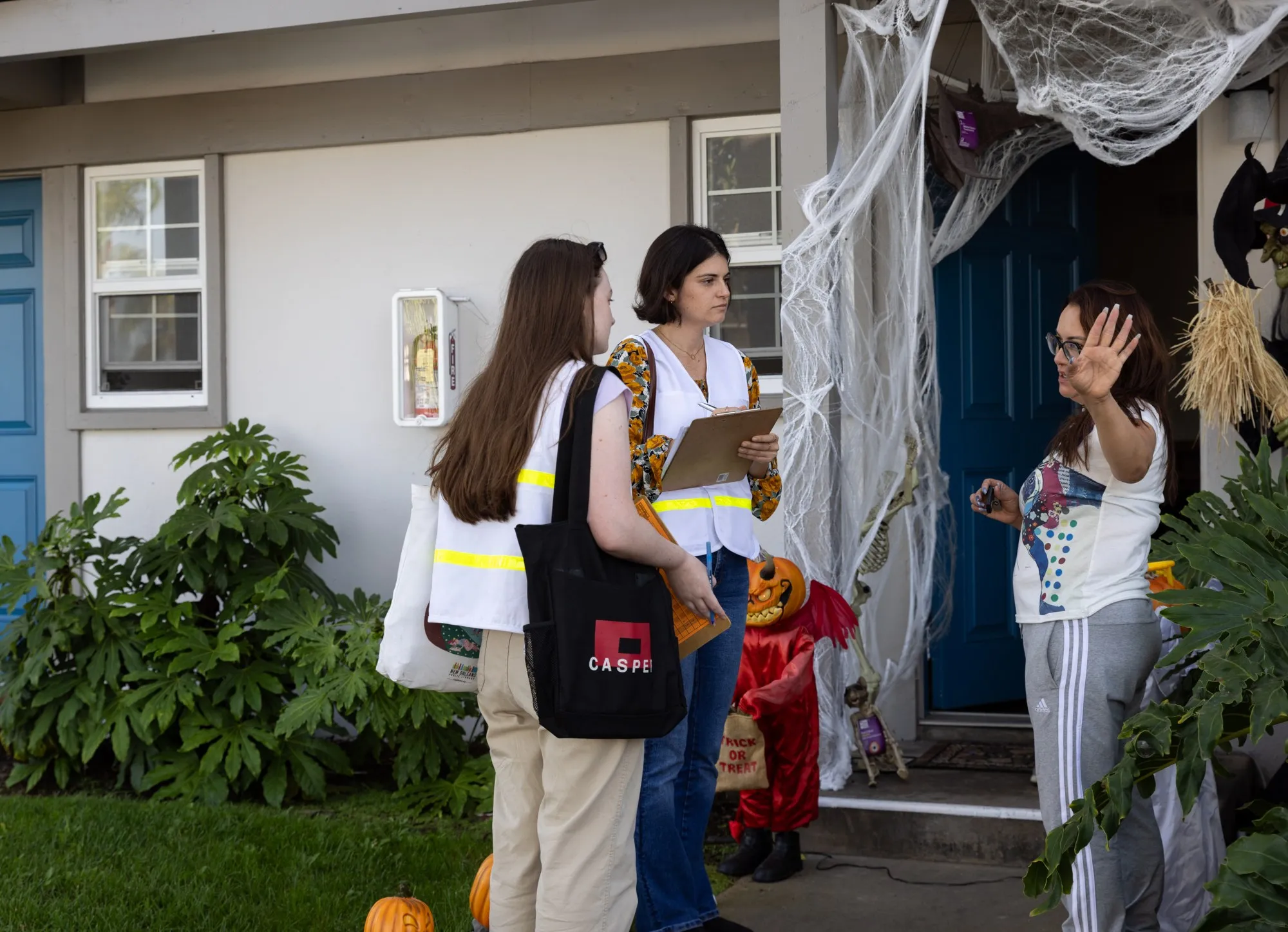
Interviews for the survey will take roughly 20 minutes, with participation being voluntary and anonymous. The county said staff will be clearly identifiable with badges and reflective vests, including bilingual English-Spanish interviewers.
The first CASPER survey, conducted in October 2024, found widespread health concerns residents believed were linked to sewage contamination, including headaches, nausea, cough and throat irritation. Just under half of households reported at least one health symptom caused by the crisis, and most respondents with chronic conditions such as asthma, allergies and migraines said their symptoms had worsened.
That survey also found 71% of households believed their tap water was unsafe to consume, and 67% used bottled water as their primary drinking source. Mental health impacts were also widespread, with just under 60% of households.
Read more ‘All these projects have problems.’ County approves East County solar and battery project