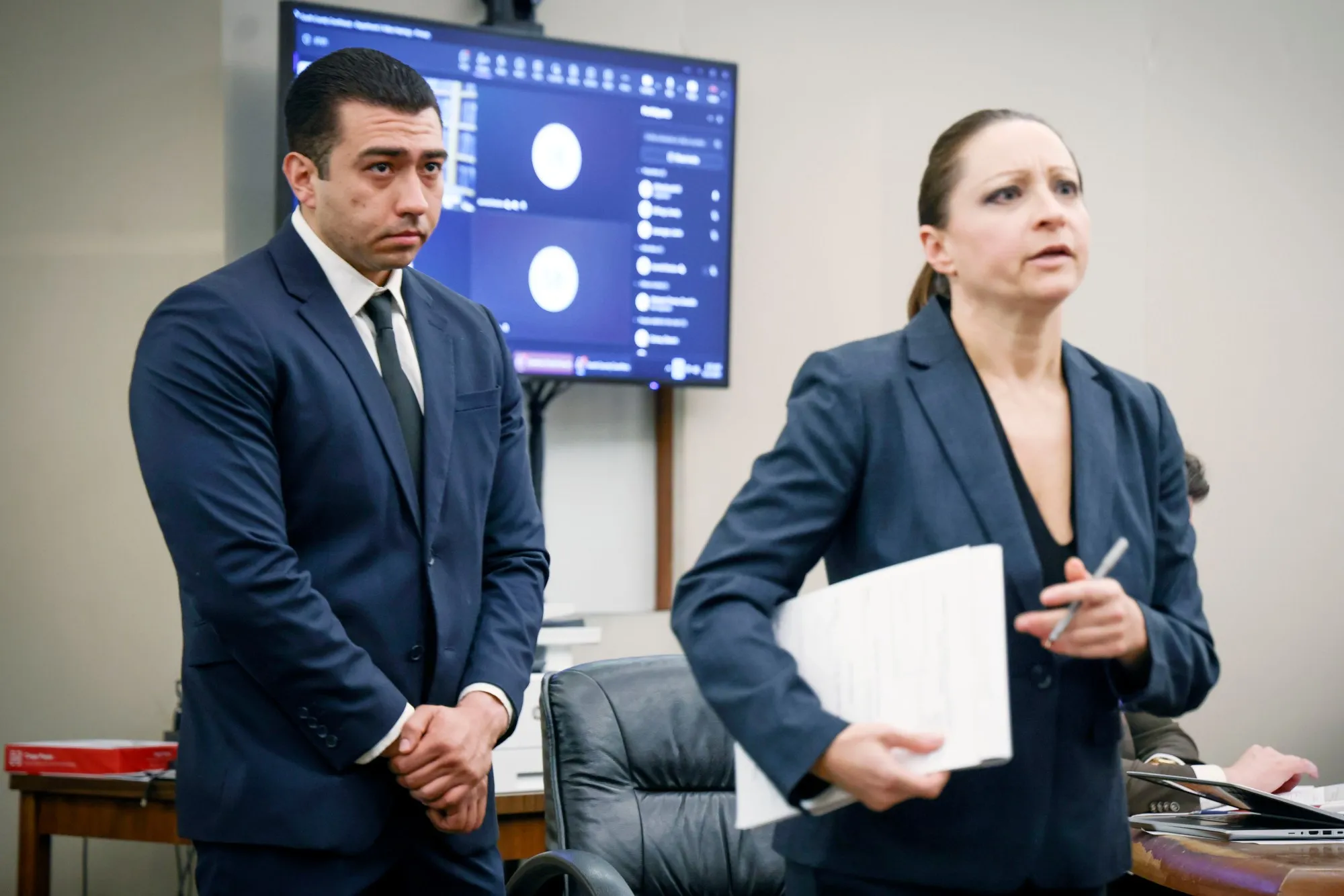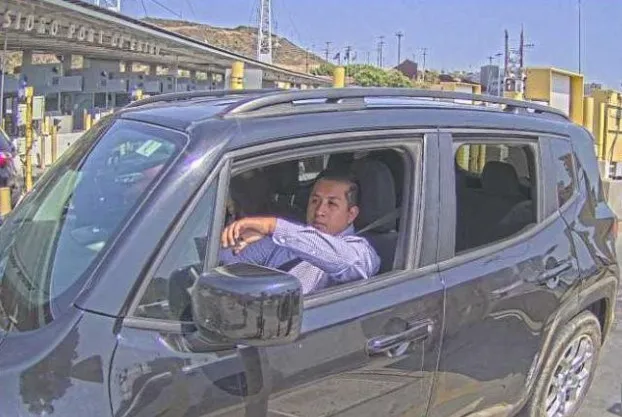






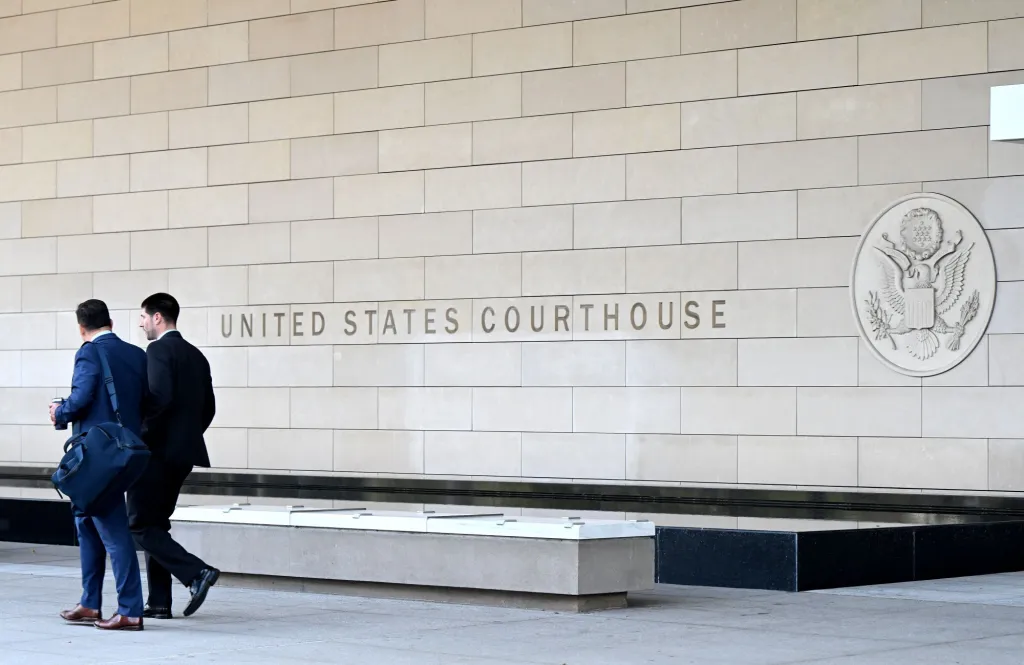
A San Ysidro man already serving a 10-year prison sentence for a San Diego-based cocaine conspiracy was sentenced Thursday by a Los Angeles federal judge to two additional years in prison for running a scheme in which he impersonated a federal agent in order to defraud undocumented immigrants hoping to adjust their legal status.
Read more Homeland Security: Foreign journalist visas set at 240 days, Chinese reporters cut to 90 days
Davyd George Brand, a 55-year-old U.S. citizen also known as Davyd Brand Jimenez, charged some of his victims in the fraud scheme as much as $20,000 on false promises that he could help them obtain work permits, legal residency status or U.S. citizenship, according to his plea agreement.
He pleaded guilty in April to 10 counts of false impersonation of a federal officer, two counts of mail fraud, two counts of wire fraud and one count each of aggravated identity theft and fraudulent possession and use of U.S. government seals. He admitted in his plea agreement that he “tricked and defrauded at least 25 victims into paying him at least $152,476.”
Brand was already serving a 10-year prison sentence after pleading guilty in the San Diego case to a cocaine distribution conspiracy. In that case, undercover federal agents repeatedly met with Brand at locations around San Diego County to discuss selling him large amounts of cocaine. Brand allegedly told the undercover agents that he worked for a Mexican drug-trafficking organization and planned to provide the cocaine to distributors in Las Vegas.
On Thursday, Los Angeles-based U.S. District Judge Fernando Olguin sentenced Brand to a total of five years and five months in prison for the fraud scheme, according to a spokesperson for the U.S. Attorney’s Office in Los Angeles. The judge stipulated that 41 months of the new sentence will run concurrent to the sentence he’s already serving in the San Diego case, but two years of the new sentence must be added to the end of his 10-year term.
Brand’s crimes were “serious and undermined the federal government by suggesting that federal officers could be bribed for services,” Los Angeles-area federal prosecutors wrote in a sentencing memorandum.
Federal prosecutors in San Diego were the first to charge Brand in May 2021, and he pleaded guilty to the cocaine conspiracy charge less than a year later. But when it came time for his sentencing in late 2022, he absconded. A San Diego federal judge issued a warrant for his arrest.
While Brand remained on the lam in the San Diego cocaine case, a federal grand jury in Los Angeles indicted him on 25 charges related to fraud and impersonating a federal agent.
Authorities arrested Brand in August 2023 in Tijuana and brought him back to San Diego, where he finally faced sentencing in the cocaine case.
Read more Hegseth again backs a low-altitude military flyover as maneuvers draw scrutiny
In the Los Angeles fraud case, Brand admitted that between 2019 and 2023, he impersonated an Immigration and Customs Enforcement agent and promised his victims help with their immigration issues in exchange for large payments. He admitted that while pretending to be an ICE agent, he sometimes carried a fake badge and a gun to enhance the deception.
Brand also admitted that he sometimes lied to his victims about being an attorney and previously working for the Drug Enforcement Administration. He admitted that after his victims paid him, he would sometimes provide them fraudulent or fabricated immigration documents, or make excuses about why there were delays in the paperwork being approved.
According to documents filed by his defense attorney ahead of Thursday’s sentencing, Brand suffered severe abuse as a child that led to alcohol and drug addictions. Those addictions followed him into adulthood as he moved from Michigan to New York and then to the San Diego and Tijuana area, where he started a family some time after 2009.
His attorney argued that Brand “succumbed to a life of addiction and crime” after he moved to Mexico with his wife, their son and his two step-daughters.
“There is no question that his severe drug addiction and unfinished work to be done in future therapy played a major role in his choices,” the attorney wrote. “He craved feeling needed and praised, and he continued to break the law to ensure he could hold on to that feeling.”
In a pre-sentence letter to the judge, Brand wrote that he is now sober from alcohol and cocaine, and that he is ashamed of his actions.
“I accept full responsibility and am very remorseful,” he wrote. “I hope that this day helps put an end to this horrible series of events and brings peace to everyone involved.”
Prosecutors had requested that the judge order Brand to pay his victims more than $166,000 in restitution. The spokesperson for the U.S. Attorney’s Office said the restitution amount will be determined at a later date.
Read more Family to hold a vigil for man fatally shot by immigration officer in Houston