







Local elected officials and environmental organizations called on negotiators of the United States-Mexico-Canada Agreement to include binding solutions to the Tijuana River sewage and pollution crisis in any extension or renewal of the trade pact during a press conference Thursday near the U.S.-Mexico border.
Read more ICE officer in Maine shooting has history of violent behavior, family and records say
The event, held at the John J. Montgomery Memorial Wing in San Diego, featured Assemblymember David Alvarez, San Diego County Supervisor Paloma Aguirre, and representatives from Sierra Club San Diego, WILDCOAST, Surfrider Foundation, Four Walls International and the Tijuana River Coalition.
This push from officials has come as the U.S., Mexico and Canada negotiate the future of USMCA, with talks set to resume July 20. U.S. Trade Representative Jamieson Greer has acknowledged the administration intends to address the agreement’s “shortcomings” before considering any extension, according to organizers.
Alvarez, who chairs the Assembly Select Committee on California-Mexico Binational Affairs, described the pollution as a public health emergency affecting children at schools such as Berry Elementary, along with Navy SEALs and Border Patrol agents. He said he plans to travel to Mexico City next week to raise the issue with negotiators.
“I am here to ask along with the community members that our U.S. trade representative, Mr. Greer, make it clear that the federal administration will not extend the USMCA in its current form unless it intends to address the shortcomings that are found in the Tijuana River Valley,” Alvarez said.
Aguirre, who represents District 1 on the county Board of Supervisors, called the crisis “the biggest environmental and public health emergency in the Western hemisphere. Full stop.” She cited county efforts including air purifier distribution, Saturn Boulevard infrastructure upgrades and health studies examining the pollution’s physiological effects on residents.
“If the USMCA is to continue shaping our economic future, it must first stop undermining it,” Aguirre said, adding that “until that truth is reflected in the USMCA, it should not be extended.”
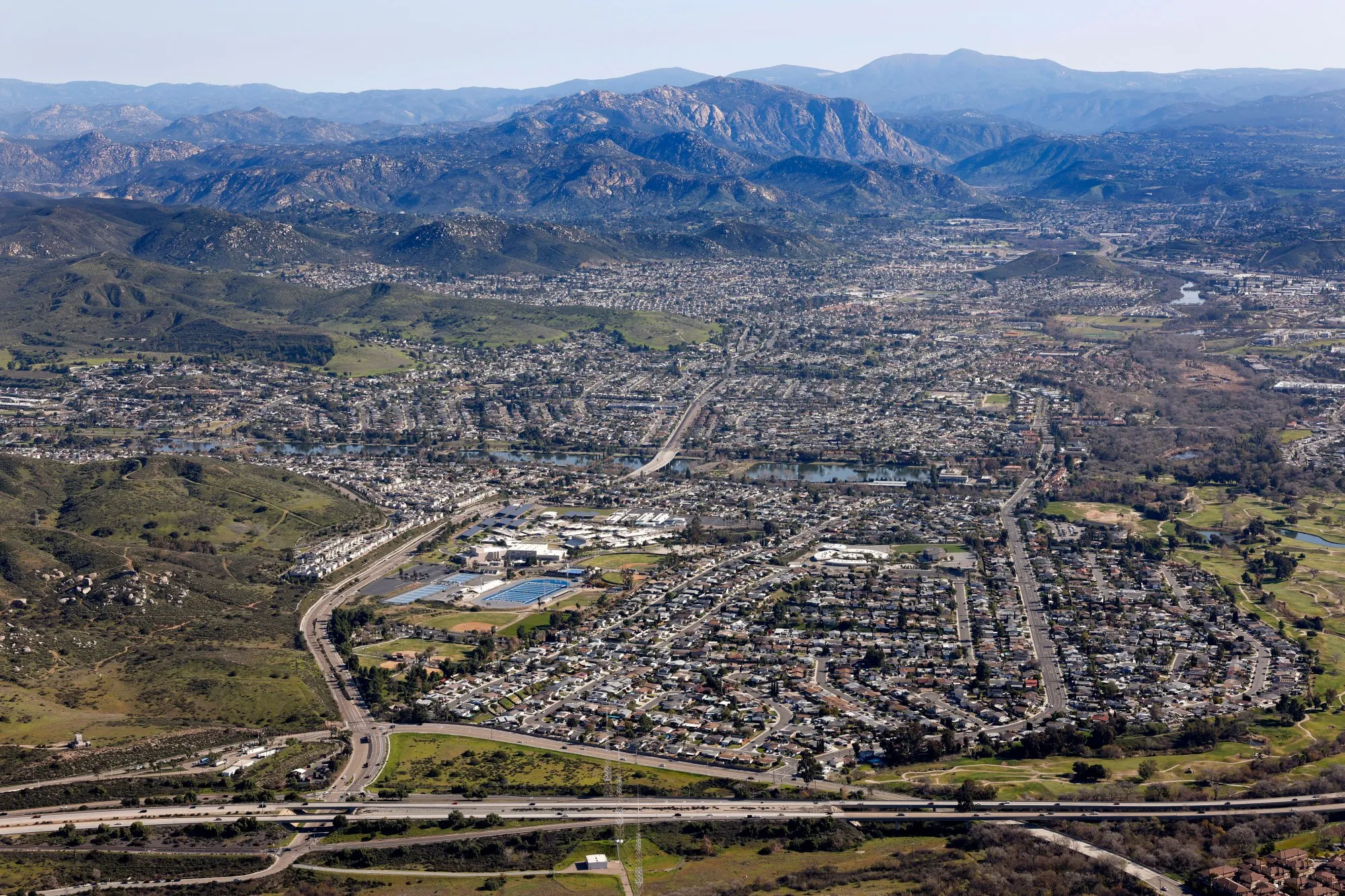
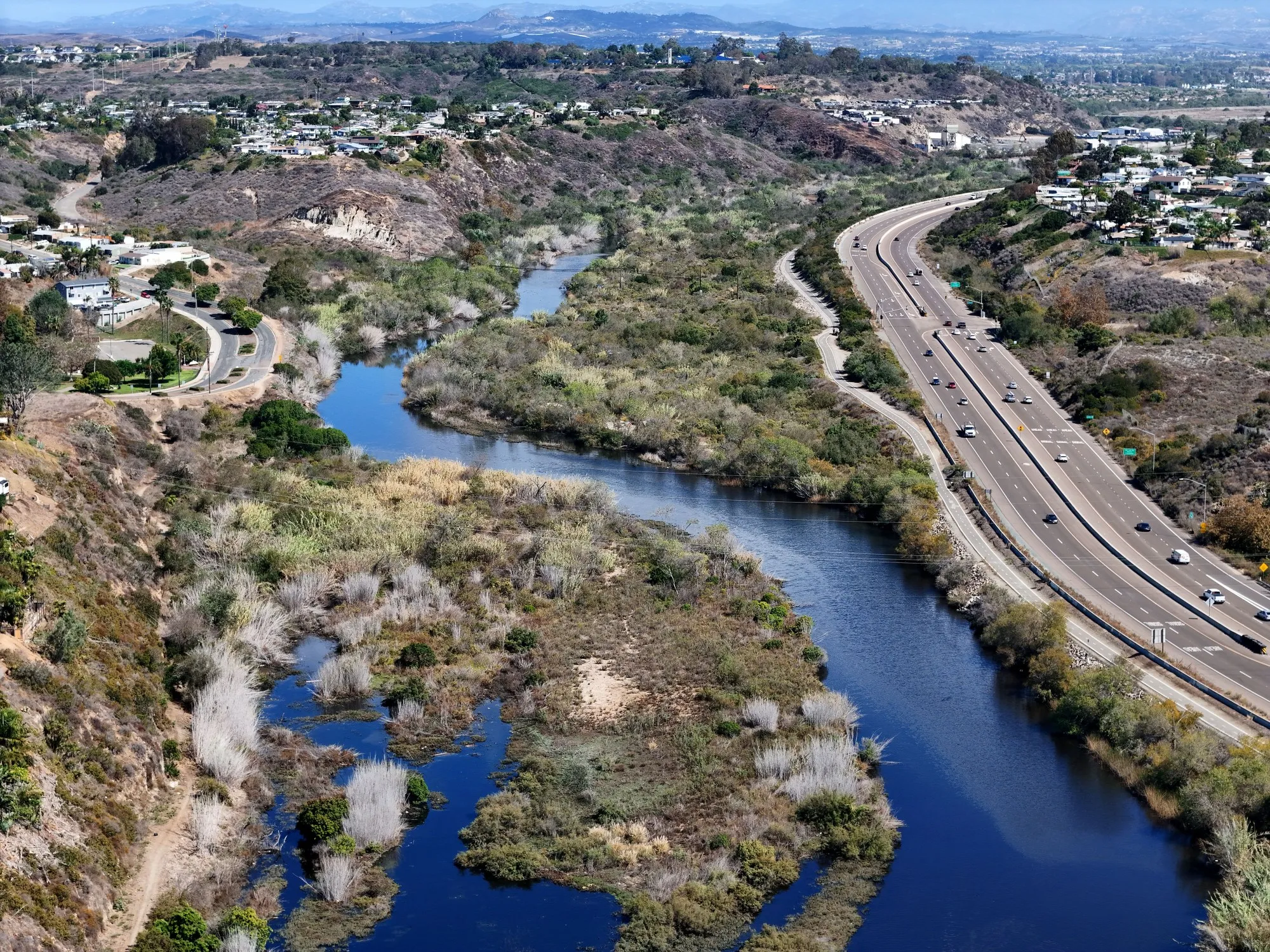
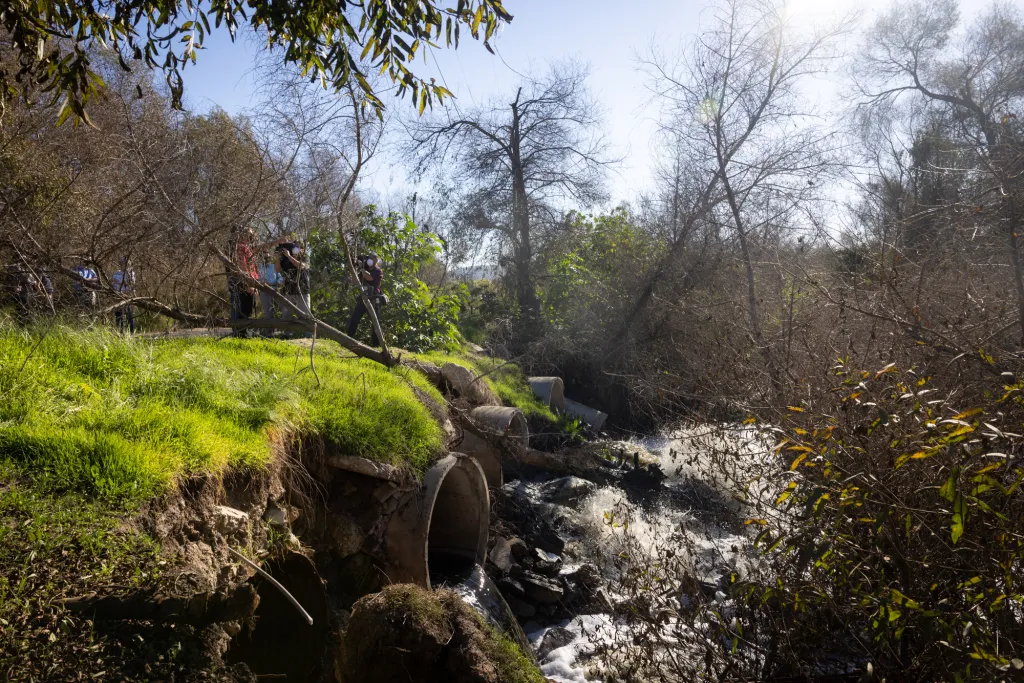
The Tijuana River sewage and pollution crisis has seen decades of untreated wastewater and industrial waste flow across the U.S.-Mexico border into the Tijuana River Valley, closing South Bay beaches and releasing toxic hydrogen sulfide gas that has been linked to health impacts among residents in the region.
Read more Lawmakers look to make abortion shield laws less dependent on who’s governor
Efforts to address the crisis include the U.S.-Mexico-negotiated Minute 328 (2022), a roughly $474 million binational commitment to expand infrastructure upgrades, and Minute 333 (2025), which added operations and maintenance planning. The federal government has funded a South Bay International Wastewater Treatment Plant expansion from 25 million to 50 million gallons daily by 2027.
Locally, San Diego County has funded air purifiers, health studies and infrastructure fixes at pollution hotspots like Saturn Boulevard.
Charles Rilli, deputy director of Sierra Club San Diego, said the organization sent a letter on behalf of more than 17 organizations to Greer requesting enforceable environmental standards, a dedicated oversight body, mandatory monitoring requirements and sustained operations and maintenance funding for infrastructure on both sides of the border.
Ramon Chairez of Four Walls International said past binational infrastructure investments failed because long-term maintenance funding was never secured.
“Treatment plants and infrastructure without sustainable maintenance are not long-term solutions,” Chairez said, calling for permanent binational sediment and solid waste programs.
Sarah Davidson, who manages the Clean Border Water Now program at Surfrider Foundation and co-convenes the Tijuana River Coalition, said hydrogen sulfide gas exposure has spread beyond outdoor spaces into homes.
“When hydrogen sulfide gas frequently reaches dangerous levels outside, residents no longer have a safe place to retreat to inside their own homes,” Davidson said.
Read more National Guard deployment to DC will last through Trump’s term