





A San Diego-based appellate court has found that the collection of license plate data by a company that supplies plate readers does not, in and of itself, constitute harm, thus rejecting a bid to revive a class action lawsuit alleging invasion of privacy.
Read more Making a comeback? Sales of EVs in California rebound in the second quarter
The published ruling last week from the California 4th District Court of Appeal, Division 1, upholds a lower court dismissal of a 2021 class action suit that plaintiff Guillermo Mata brought against Digital Recognition Network, Inc., a company that supplies license plate readers and stores the data.
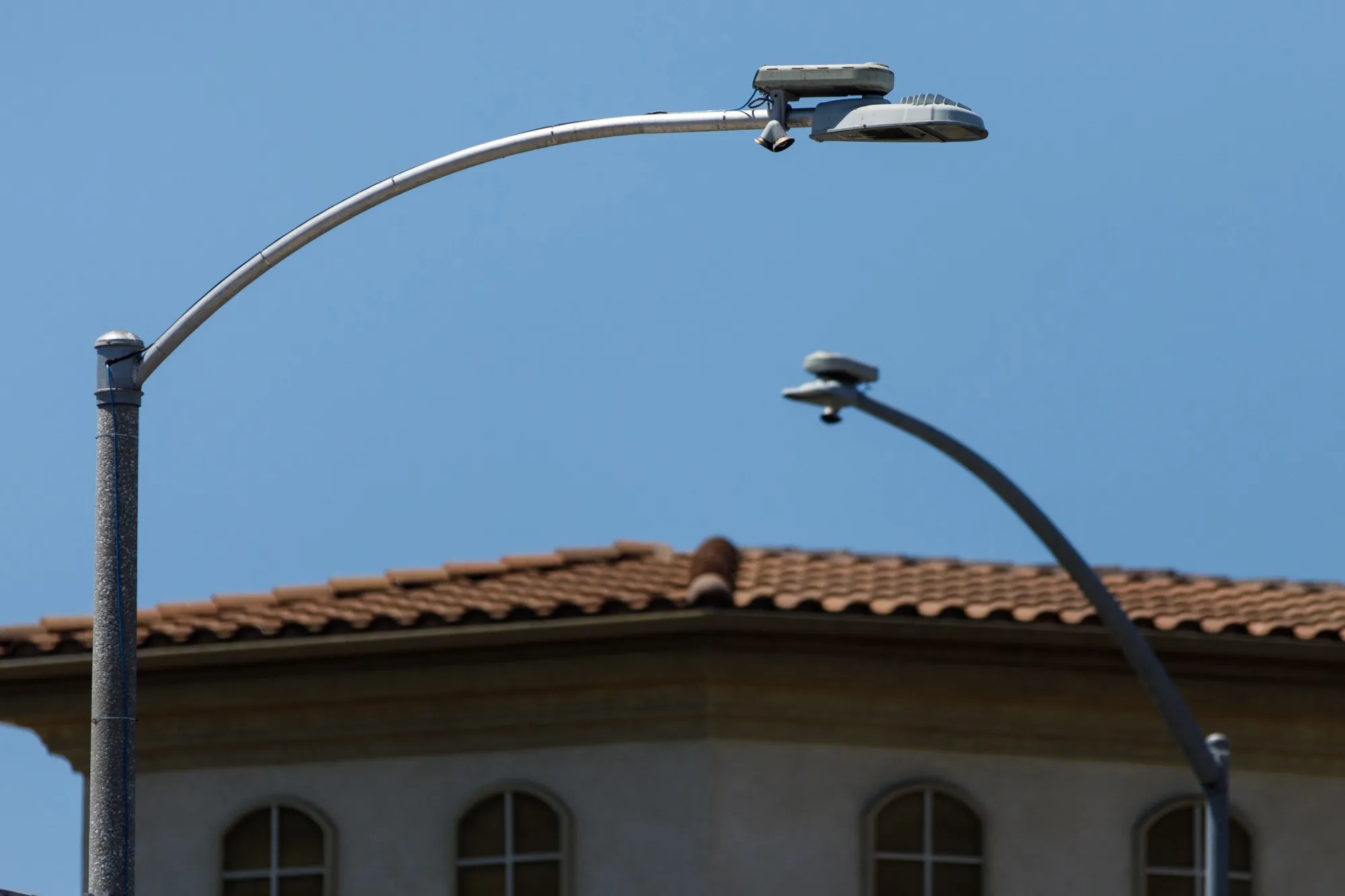
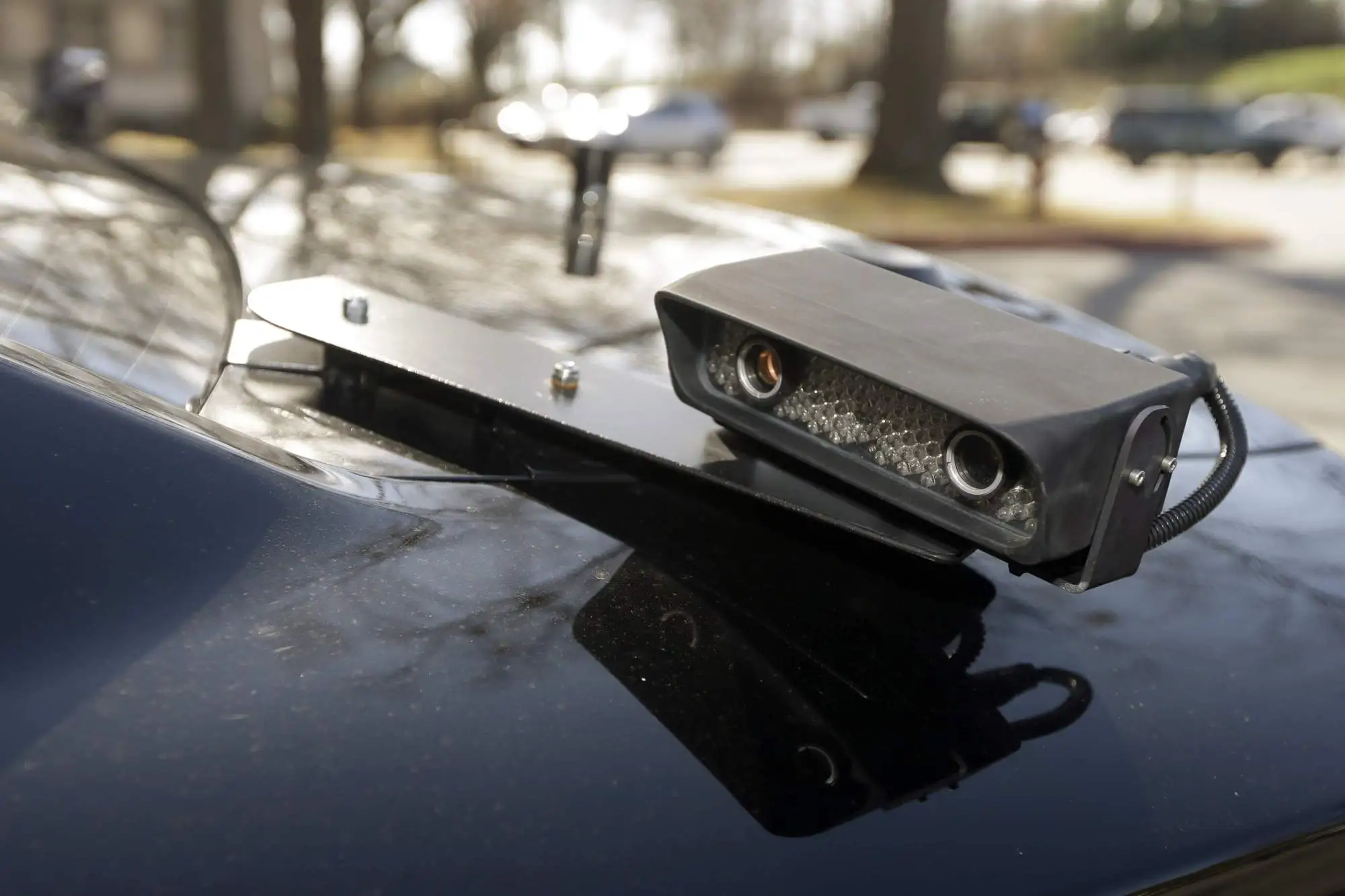
The lawsuit, filed in San Diego, tests a 2016 law that governs the collection and use of automated license plate readers in California. The readers, often referred to as ALPRs, capture license plates of vehicles in their view, as well as the time, date and location. The readers stir controversy, particularly regarding their growing use by law enforcement agencies. Critics argue that the readers create a mass surveillance network and intrude on civil rights.
While much attention and public debate has centered around the government use of the tech, especially by police departments, the focus of this suit was use by private entities who gather license plate data in public spaces, such as parking lots and streets.
Several entities — including insurance companies and vehicle repossession agencies — can mount such cameras or access the networks. The complaint Mata filed in 2021 alleges Digital Recognition Network has a fleet of vehicles equipped with cameras to capture license plates. As of May 2024, according to the appellate opinion, the ALPR system from Digital Recognition Network contained more than 9 billion historical license plate images.
The question before the court was whether a person who alleges harm under the state law governing license plate readers “but identifies no resulting harm — other than his own subjective belief that his privacy has been invaded by the collection and storage of his data — has standing to sue” under the statute.
“We conclude the answer is no,” states the unanimous opinion, written by Associate Justice Truc Do. Presiding Justice Judith McConnell and Associate Justice David Rubin concurred.
The appellate court found that standing to sue requires a showing of actual harm — for instance, unauthorized access to or use of the data or a security breach of the system, the Legislature noted. Mata did not allege a specific instance of harm, but rather a broad invasion of privacy.
“The fear is understandable,” Do wrote in the ruling, citing a different court opinion that notes increasing digital surveillance in general. She added, “Mata’s belief of harm, however, is not a cognizable harm for standing under the ALPR statute.”
Neither attorneys representing Mata nor the company responded to a request for comment last week.
Read more Prosecutors move to drop charge against California labor leader arrested during immigration protest
Several civil rights groups filed briefings in support of Mata, including the Electronic Freedom Foundation and two California chapters of the American Civil Liberties Union.
Electronic Freedom Foundation Privacy Litigation Director Adam Schwartz said Friday the organization is “disappointed that a court has turned away this challenge on the incorrect claim that privacy harm is not sufficient harm to have standing.”
“The error that this court and other courts are making is that privacy harm is not really harm until somebody uses the data,” Schwartz said.
In a statement, ACLU senior staff attorney Nick Hidalgo said, in part: “People shouldn’t have to wait for their vehicles to be repossessed by DRN’s customers before they get their day in court. This decision’s narrow interpretation of harm will leave many Californians tracked and monitored — yet powerless to enforce their rights.”
The initial suit alleged that while the company had a policy governing its ALPR data as required by state law, the policy was inadequate or not followed. That question was never addressed in court; the suit was dismissed in the early stages for lack of standing.
The California statute governing dissemination of ALPRs, often called SB 34, was enacted a decade ago. The opinion notes that the state’s license plate reader statute “does not restrict or place limitation on a private entity’s collection or use of ALPR information. … It does, however, impose restrictions on public agencies.”
Those restrictions include barring law enforcement in California from sharing data outside of the state.
Last fall, the state Attorney General’s Office sued the city of El Cajon, looking to force its police department to stop sharing access to data collected from automated license plate readers with other states.
San Diego has about 500 ALPR readers around the city; San Diego police hail them as crime-fighting tools and note the readers have helped solve several crimes, including homicides. But the readers are controversial, and although privacy advocates pushed the city to remove them, a split San Diego City Council last year voted to keep using them.
Read more Photos: Comic-Con Portraits Sunday