





HAMILTON, Mont. — The Trump administration has stepped up arrests and public condemnation of federal scientists studying viruses as the world faces one of its worst Ebola epidemics.
Read more Wisconsin voters sue to allow for vote to count if absentee ballot is late
In June, Vincent Munster, an infectious disease researcher at the National Institutes of Health, was charged with bringing biological specimens into the U.S. without proper documents. Weeks later, Sen. Rand Paul, R-Ky., ordered Anthony Fauci, Munster’s former boss, to appear before a Senate committee, alleging that he’d lied to Congress about the COVID-19 pandemic’s origins. This spring, the FBI detained a former aide to Fauci, and federal officials banned a virus researcher in North Carolina from receiving federal funding.
In each case, senior U.S. officials and members of Congress have leaned into unproven theories that arrogant scientists damaged rather than protected public health by recklessly experimenting with COVID and other killer viruses, including in China.
Conservative groups and social influencers have amplified that view through a whirlwind of COVID conspiracy theories, bioterrorism fearmongering, and anti-immigration sentiment. The recent charges stirred long-held mistrust of the high-security Rocky Mountain Laboratories, where Munster works, among residents of this blue-collar mountain town in Montana built on logging.
A dozen scientists interviewed for this article said that any crimes or errors committed by Munster, who was transporting vials of inactivated mpox for research purposes, seemed to be over paperwork and posed no threat to the public. Nonetheless, some colleagues in Montana said, the alleged improprieties needlessly bat a hornet’s nest.
“This just gives ammunition to the people that are trying to stop this valuable research,” said Kim Hasenkrug, a scientist emeritus at the NIH who worked at Rocky Mountain Labs for 31 years. “Even people who have trusted us in the past, this sows seeds of distrust. How could it not?”
Cuts to U.S. foreign aid and research funding have left tens of millions of dollars in gaps in the fight against spreading Ebola and mpox outbreaks, scientists told KFF Health News. “When the next pandemic comes around and we need vaccines to protect ourselves, the chances are that China will develop them before we do,” said Kristian Andersen, an evolutionary biologist at Scripps Research. Andersen co-authored studies that stoked the ire of proponents of the theory that a lab leak started the COVID pandemic.
Emily Hilliard, a spokesperson for the Department of Health and Human Services, which includes the NIH, said the federal government “remains fully equipped to protect Americans and respond to emerging public health threats.” She said the Centers for Disease Control and Prevention had deployed experts domestically and internationally to respond to Ebola.
Scientists like Munster are indispensable for figuring out the source of pandemic viruses, whether bats, pigs, rats, or some other animal, Andersen said. Munster “is the person who goes out to Africa to get samples of bad viruses from people,” said Stanley Perlman, a virologist at the University of Iowa and a longtime member of the FDA’s vaccine advisory panel. “He’s done lots of things that needed to be done, and he does them well.”
Authorities arrested Munster and Claude Kwe, a research fellow at Rocky Mountain Labs, June 2 on charges of conspiracy to smuggle mpox into the United States and lying to border agents. They had been stopped Jan. 25 at the Detroit airport after returning from the Republic of Congo.
The news release announcing the charges said FBI testing had confirmed the viruses were inactivated — Munster helped develop the inactivation technique— but that the scientists jeopardized Americans’ safety.
“These NIH experts apparently broke our laws by smuggling viral pathogens on a packed commercial airplane from an outbreak in the Republic of Congo. Let that sink in,” said Jerome Gorgon, U.S. attorney for the Eastern District of Michigan.
The says Munster and Kwe falsely told customs agents the mpox specimens they brought back were for diagnostic use. Yet several scientists told KFF Health News that the specimens most likely were indeed for use in developing mpox diagnostic tests.
The complaint also states that the scientists lacked the appropriate documents. Federal code requires researchers to register and certify inactivated viruses.
“He is presumed innocent and we will have to await future proceedings before commenting,” Kwe’s federal community defender, Benton Martin, said of his client.
In Montana, Marshall Bloom, an associate director at Rocky Mountain Labs, told the Ravalli County Board of Health in a July meeting that the scientists have been suspended and aren’t allowed on campus amid an internal NIH investigation. “These are not trivial accusations,” Bloom said.
It is not illegal or unheard of to take an inactivated virus on a plane. If the samples were inactive, “the risk is zero,” said Daniel Jernigan, who worked for 26 years at the CDC and led its National Center for Emerging and Zoonotic Infectious Diseases until retiring last August.
“But you have to have the documentation available,” he added.
Jernigan recalled reprimands issued for this sort of lapse but knew of no arrests.
“In this climate,” Perlman said, “you’d want to make sure you talk to people at your institution to make sure any i’s are dotted and t’s are crossed.”
Munster’s attorney didn’t respond to multiple interview requests.
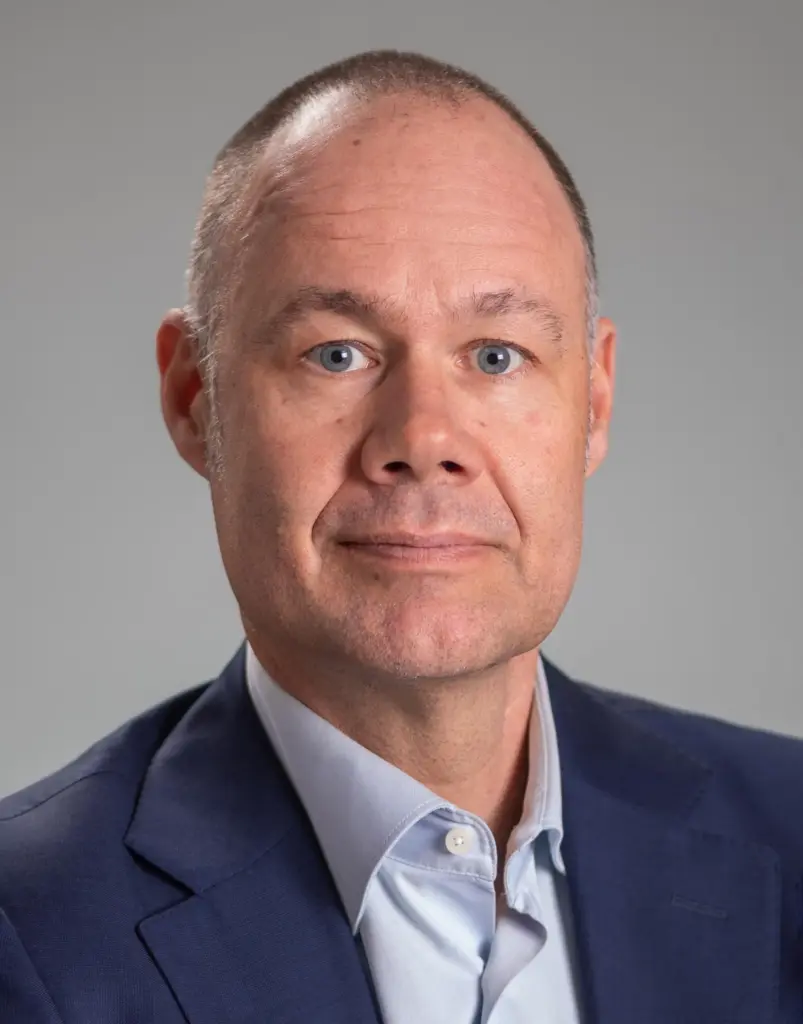 Vincent Munster. (National Institutes of Health/National Institutes of Health/TNS)
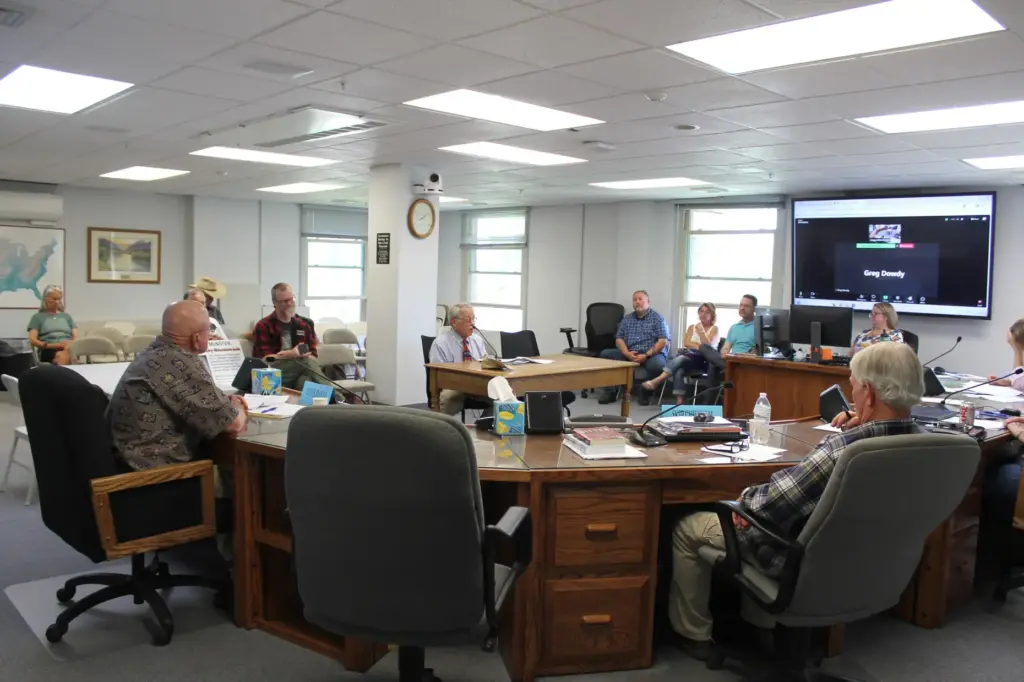 Marshall Bloom, an associate director at Rocky Mountain Laboratories, provides an update to the Ravalli County Board of Health in July in Hamilton, Montana. (Katheryn Houghton/KFF Health News/TNS)
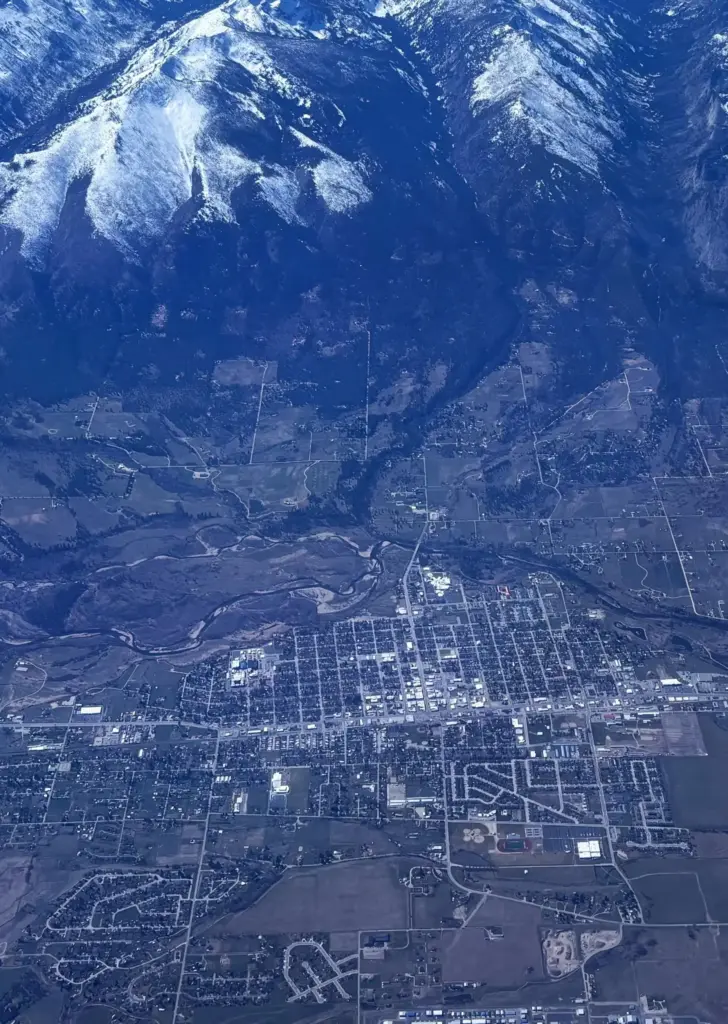 Hamilton, Montana, as seen from above, with Rocky Mountain Labs’ massive campus toward the left. (Katheryn Houghton/KFF Health News/TNS)
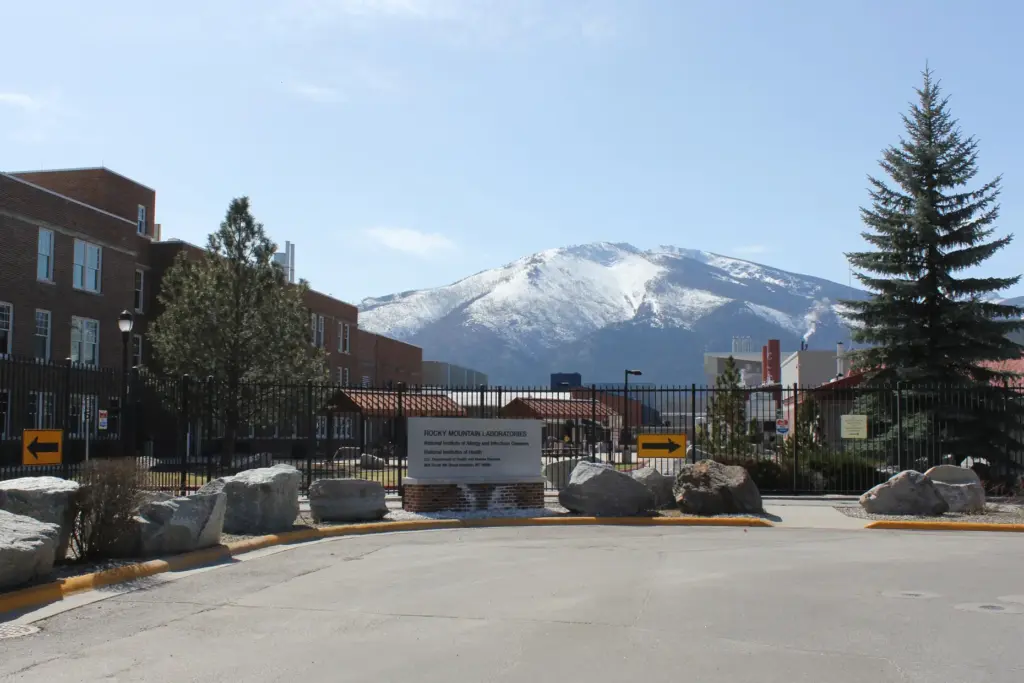 The National Institutes of Health’s Rocky Mountain Laboratories in Hamilton, Montana. (Katheryn Houghton/KFF Health News/TNS)
Conservative politicians and others skeptical of the nation’s COVID response have had Munster and Rocky Mountain Labs on their radar for years.
The facility is in Hamilton, a town of 5,000 in rural Ravalli County, which gave President Donald Trump 69% of its vote in 2024. The lab got its start with studies of Rocky Mountain spotted fever in the 1900s, when ranchers and cattle were dying from the then-unknown disease.
Today it is a Biosafety Level 4 facility, one of only several dozen labs in the world to employ the highest level of safety controls that enable scientists to study the deadliest pathogens.
Munster and his laboratory of viral ecology are known as the “go-to group for highly dangerous viruses” such as Middle East respiratory syndrome, Nipah, Ebola, and bird flu, said zoologist Peter Daszak, whose work has also been targeted in recent years. Munster “goes into red zones,” gets samples from sick people, and makes diagnostic tests that help assess an outbreak and how to stop it, Daszak said.
Read more From prison fears to fireworks, Chinese pastor recounts sudden release after Trump’s intervention
Munster and his colleagues contributed to studies of COVID’s emergence, how it infected people, and how it spread— work that put the lab in the crosshairs of people warning about the dangers of biomedical research.
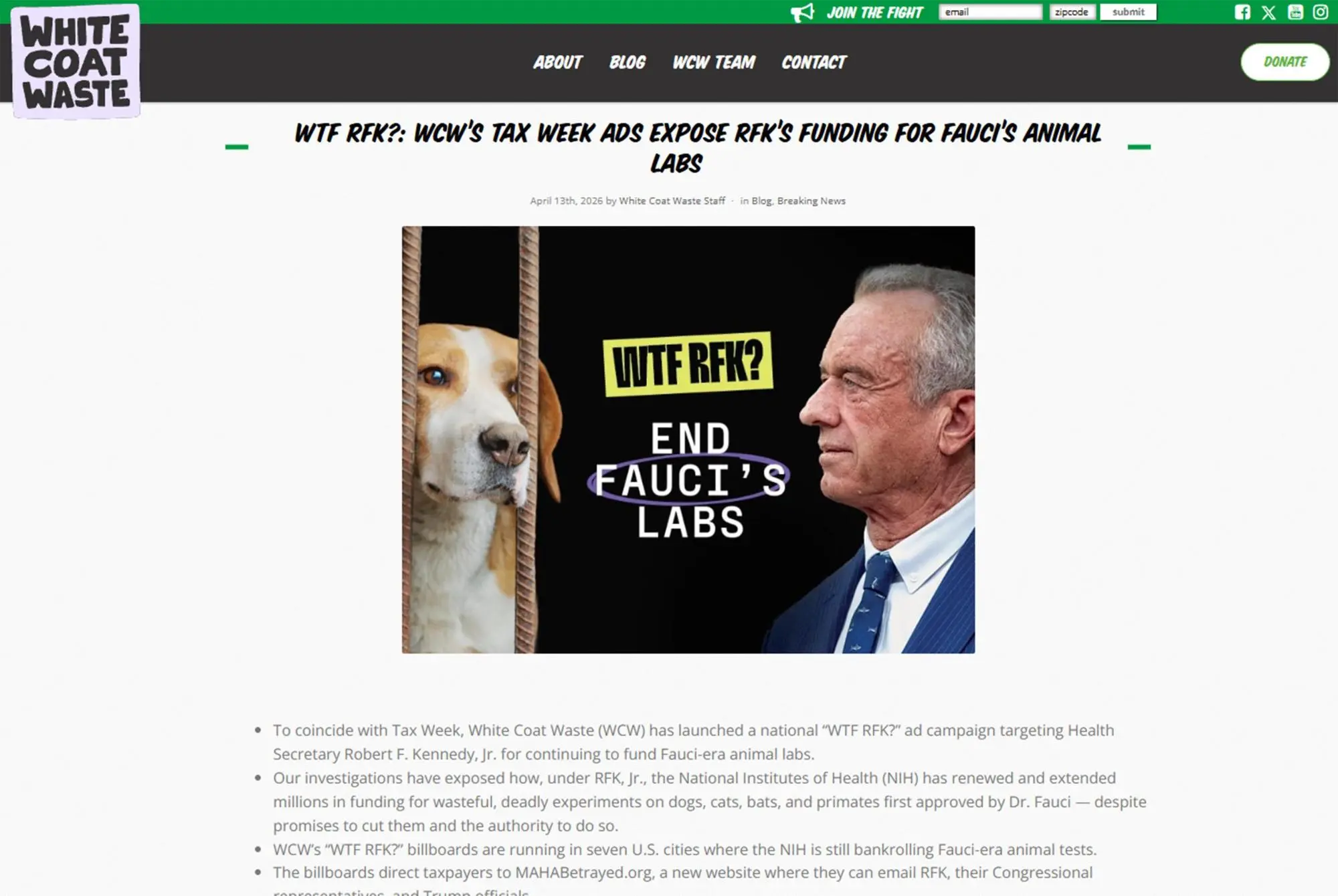
In April, the White Coat Waste Project, a self-described government watchdog group to stop tax-funded animal testing, paid for billboards calling to “End Fauci’s Labs” across seven cities with NIH-funded labs, including Hamilton.
The next month, the same group posted about the investigation into Munster, citing an anonymous letter. That caught the attention of Laura Loomer, a far-right activist known as a loyalty enforcer for Trump who has the president’s ear. She posted about it to her 1.9 million followers on the social platform X.
“Fauci Holdovers at @NIH and @HHSGov are about to unleash Ebola in America,” Loomer posted on May 17, asking why Munster, who is Dutch, and Kwe, from Cameroon, weren’t imprisoned or deported.
Little more than a week later, Montana Republican U.S. Sen. Tim Sheehy sent a letter to HHS calling for an investigation, saying the alleged improper behavior by the scientists could threaten national security.
Munster and Kwe were charged days later. U.S. Rep. Paul Gosar, an Arizona Republican, in mid-July cited the charges as a reason to close the Hamilton facility, part of his ongoing call to defund“Fauci-era programs.”
The arrests added to local apprehensions about the facility.
“You can’t pick and choose which rules you follow when you’re dealing with this stuff,” County Commissioner Jeff Burrows said at a June meeting. “And I know he’s innocent until proven guilty, but for God’s sakes, this is a big deal.”
About two weeks after the charges, departing Director of National Intelligence Tulsi Gabbard released declassified documents that she said proved Fauci had lied to Congress about NIH-funded research at the Wuhan Institute of Virology, the lab that, in her words, “sparked COVID.” The documents, however, provide no new evidence that the lab launched the COVID virus. Most, though not all, virus experts think the best evidence indicates the virus jumped from bats to other animals, and then to humans at a Wuhan market.
Politicians and other proponents of the lab-leak theory have issued fresh calls to punish Fauci, 85, and scientists his institute funded. Fauci declined to comment for this article.
Shortly after Gabbard’s report, Paul, who chairs the Senate Homeland Security and Governmental Affairs Committee, subpoenaed Fauci to testify before the committee.
Fauci “was Dr. Frankenstein of the modern era” and “has the blood of millions of people on his hands,” Peter Navarro, a senior adviser to Trump, said on Fox Business on June 25. “You idiot! … You need to come clean, Fauci.”
The administration’s mistrust of the federal bureaucracy and the scientific work it has funded has led to broad cuts and staffing losses, including in pathogen research.
A May 2025 executive order suspended research on many risky viruses, and HHS later halted an $82 million, five-year program that funded research into emerging viruses by 10 labs across the world. In late May this year, the White House proposed a rule that would give political appointees sweeping power over all federally funded science.
Prominent COVID experts and scientists close to Fauci have been called before congressional committees, barred from receiving government grants, or arrested.
In April, heavily armed FBI agents raided the Maryland home of David Morens, Fauci’s 78-year-old former aide. They forced him to strip to his underwear and drove him in handcuffs 40 miles to a federal courthouse, where he was briefly jailed, according to Science magazine. Morens’ case is pending.
In May, HHS told Ralph Baric, a University of North Carolina coronavirus expert, that it was halting his federal funding because of a “pattern of deception” in his communications with the NIH. Baric has denied wrongdoing.
In some ways, the arrests of Munster and Kwe felt unsurprising, said Philip Stewart, a recently retired Rocky Mountain Labs researcher focused on tick-borne diseases.
“There is an anti-science movement,” Stewart said. “We are targets, and if it hadn’t been Vincent, it would have been someone else.”
Most Americans believe in the lab-leak theory, according to surveys, and several U.S. intelligence agencies lean in that direction. That makes targeting scientists who do that kind of work politically expedient, said Daszak, whose NIH-funded nonprofit worked with Chinese virologists in Wuhan and has been under scrutiny since April 2020, when Trump personally ordered his funding ended.
Animal viruses jump to humans in the wild hundreds of thousands of times a year, usually producing negligible infections, occasionally sparking an outbreak. The Ebola virus causing the current African epidemic may have originated in bats, which seem to carry it without getting sick.
Doctors on the ground in the Democratic Republic of Congo lacked diagnostic tests until recently. Munster, who has extensively researched Ebola, was locked out of his lab soon after the January detention.
“While we sit around removing pandemic preparedness grants, arresting scientists, locking them up in some cases,” Daszak said, “viruses are out there evolving.”
Read more What to know about Troy Jackson, Maine Democrats’ likely nominee for US Senate
©2026 KFF Health News. Distributed by Tribune Content Agency, LLC.