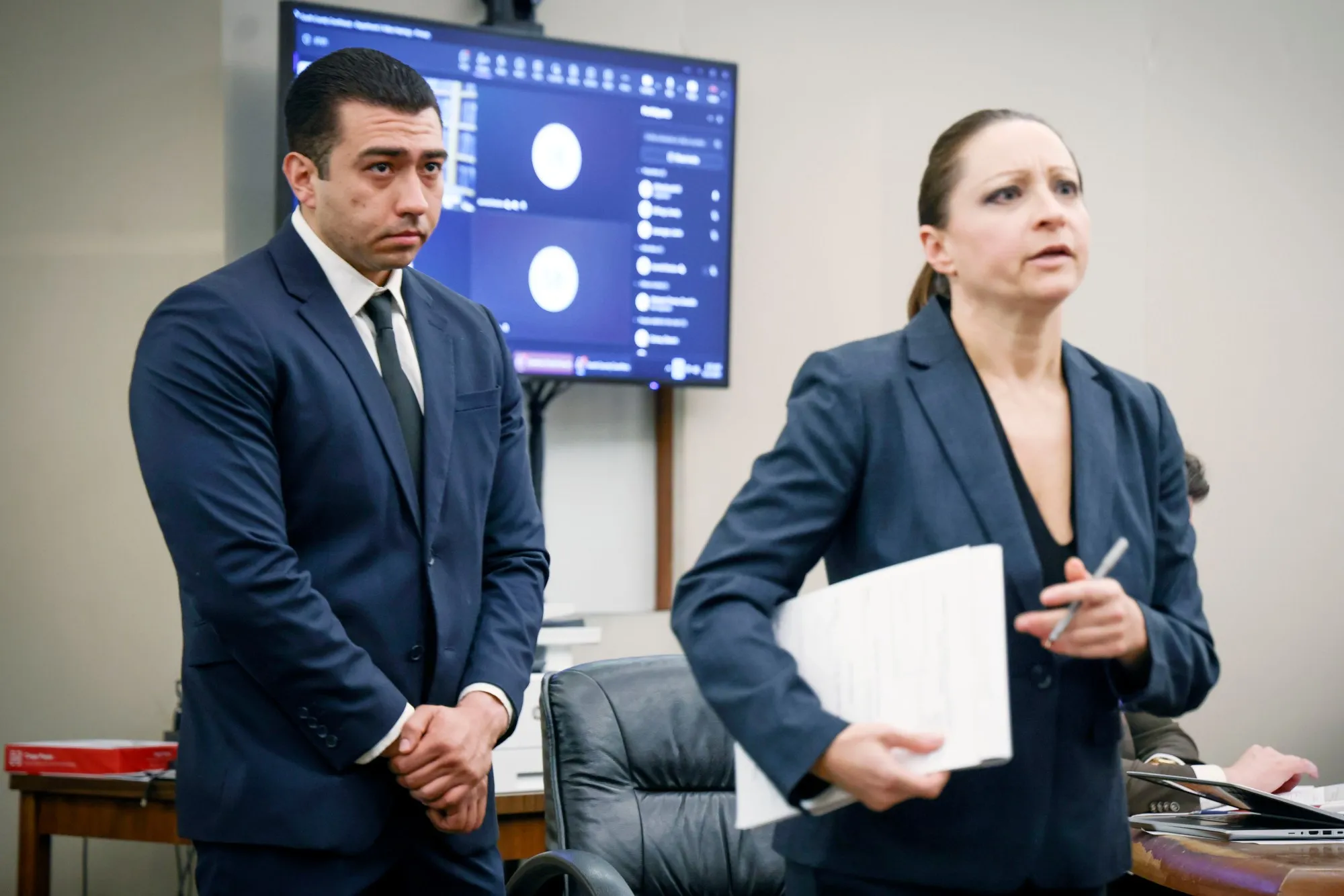







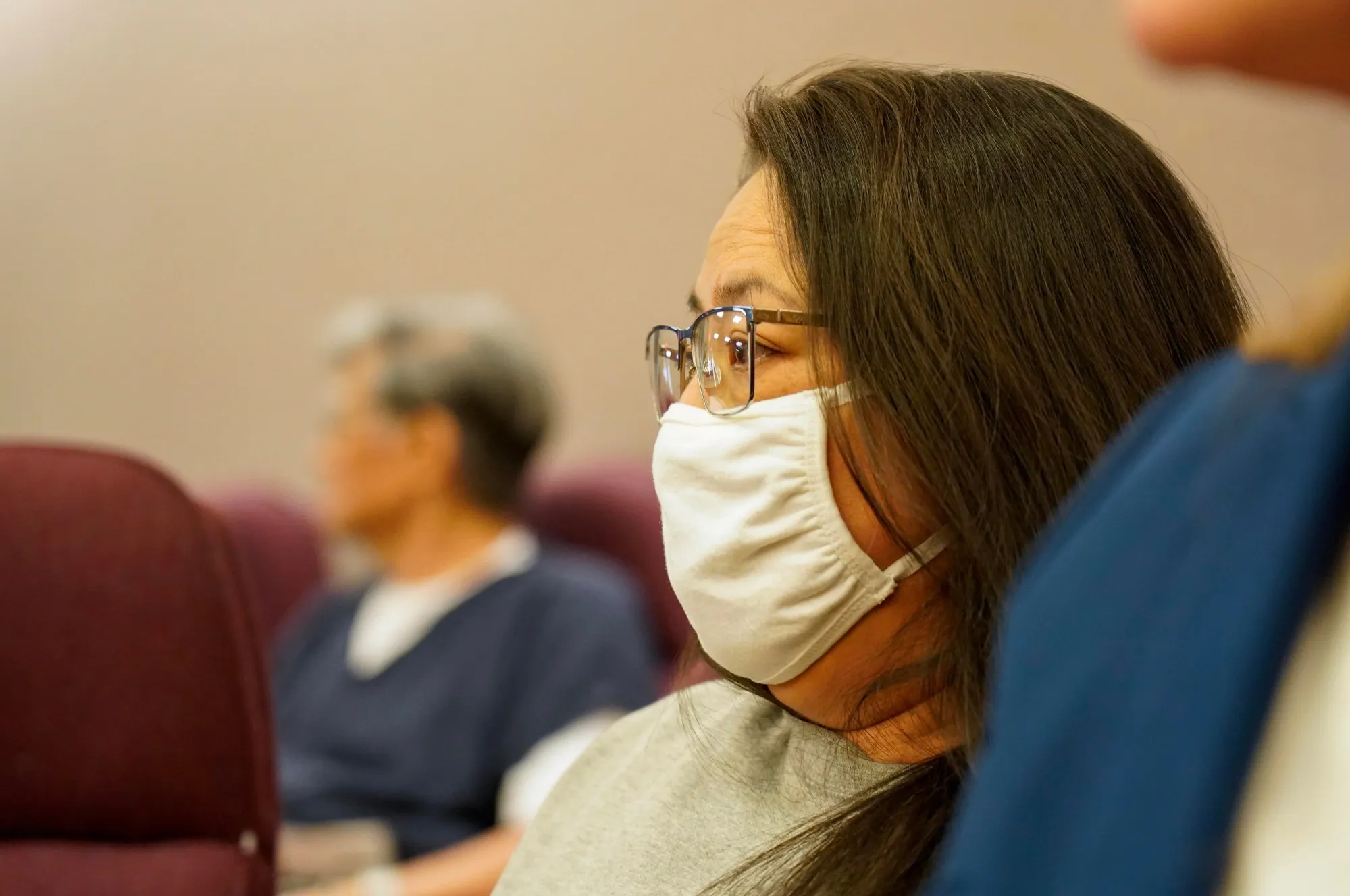
Prosecutors announced Tuesday that they are pursuing the death penalty in the case of a Spring Valley woman accused of murder and torture in the death of her 11-year-old adopted daughter, who authorities allege had been starved.
Read more Sharp HealthCare announces restructuring that will impact about 260 workers
With the announcement, trial for Leticia McCormack, charged in the 2022 death of Arabella McCormack, has been pushed to August 2027. It had been slated to begin next month.
Leticia McCormack, 53, and her parents, Stanley Tom, 79, and Adella Tom, 74, have pleaded not guilty to murder, conspiracy, child abuse and torture. Prosecutors will seek life without the possibility of parole for the Toms. Their trial has been pushed from next month to February.
The girls’ adoptive father, Brian McCormack, was a Border Patrol agent who killed himself in front of sheriff’s deputies the day Arabella died. Prosecutors say he, too, would have been charged.
When Arabella died, she was so emaciated — 48 pounds — prosecutors say she weighed less than she did when she was 5 years old. She also had cuts, bruises and still-healing fractures. Her cause of death was COVID-19 in a “setting of severe malnutrition/neglect.”
It has been rare in recent years for the San Diego County District Attorney’s Office to pursue the death penalty. Since 2017, it has only tried one capital case — that of a man who gunned down a San Diego police officer. The defendant in that case was sentenced to death.
In 2019, Gov. Gavin Newsom placed a moratorium on carrying out the death penalty in the state during his time in office. That does not bar a judge from issuing a sentence of death, nor does it preclude prosecutors from continuing to pursue capital punishment in current cases.
“We recognize the profound impact that a decision to seek the death penalty has on the victim’s loved ones, the defendant’s family, and the community,” a district attorney spokesperson said when asked about the decision announced Tuesday.
Read more Groups sue the Trump administration over its targeting of the International Criminal Court
“Because of the extraordinary seriousness of pursuing capital punishment and the need to protect the integrity of the judicial process, including the defendant’s right to a fair trial and the appellate record, our comments at this stage in the proceedings will be those that we make on the record in court,” the spokesperson said.
Arabella and her two younger sisters first moved into the McCormack home in 2017 while in foster care. The couple later adopted them.
Arabella, who went by Bella and is sometimes referred to in court documents as Aarabella, was unresponsive when deputies and paramedics arrived at her family’s home about 2 a.m. on Aug. 30, 2022. She died at a hospital about 10 hours later.
A surviving sister told a grand jury in 2024 that she and Arabella had been given limited food and water, forced to exercise, and ordered to lie still on their beds with hands at their sides — with cameras trained on them and alarms on their beds. Movement could bring punishment, she said.
The child testified they were struck at times with objects, including a belt, paddles and paint-stirring sticks, and were sometimes smacked with a ruler to the bottom of their feet.
The grand jury indictment lays out 641 overt acts by McCormack, her husband and her parents, including routinely depriving the sisters of food, water and bathroom trips.
A lawsuit against several entities was filed on behalf of Arabella’s two surviving sisters, who were ages 6 and 7 when Arabella died. It resolved last year with settlements totaling $31.5 million — including $10 million each from the city and county of San Diego.
Read more As Trump Media scraps some businesses, it’s doubling down on Truth Social and the president