






The future of an independent oversight body that holds San Diego County accountable for how it treats youths in custody is now in peril as the courts yank the administrative support and funding it needs to operate.
Read more ‘The Wild West of short-term rentals’: La Mesa takes step to regulate vacation rentals
All 10 volunteer members of the county’s Juvenile Justice Commission, an oversight body mandated by state law, plan to resign as soon as September if county administration doesn’t step in to replace the lost support — and replacing that support appears unlikely.
State law requires every California county to have a Juvenile Justice Commission. Each body is charged with annually inspecting every detention facility in the county that jailed a minor for more than 24 hours. It also has the power to convene hearings and inspect group homes that serve wards or dependent children of juvenile court.
Advocates say the need for oversight is clear — especially now, with the county’s probation department under state investigation for alleged civil rights abuses in its youth detention centers. The department is named in hundreds of lawsuits alleging sexual abuse against youths by its officers over the years. And it has faced scrutiny for officers’ use of force in juvenile halls — particularly their use of pepper spray on youths.
On July 1, the San Diego County Superior Court — whose presiding judge is required by law to appoint the commission’s members — began pulling technical and monetary assistance it had been providing to the commission for years.
The court has been sharing with the county the cost of liability insurance to shield the volunteer commissioners from civil lawsuits — a routine benefit for public officials. The court said it will no longer pay for that policy and will let it expire in September.
Commissioners said they would resign rather than risk being sued for actions related to their public service.
The court has removed commission meeting agendas, minutes and reports from its website, leaving the public without a way to follow commission activities or review its inspection reports.
Commissioners worry the lack of administrative support will put them out of business.
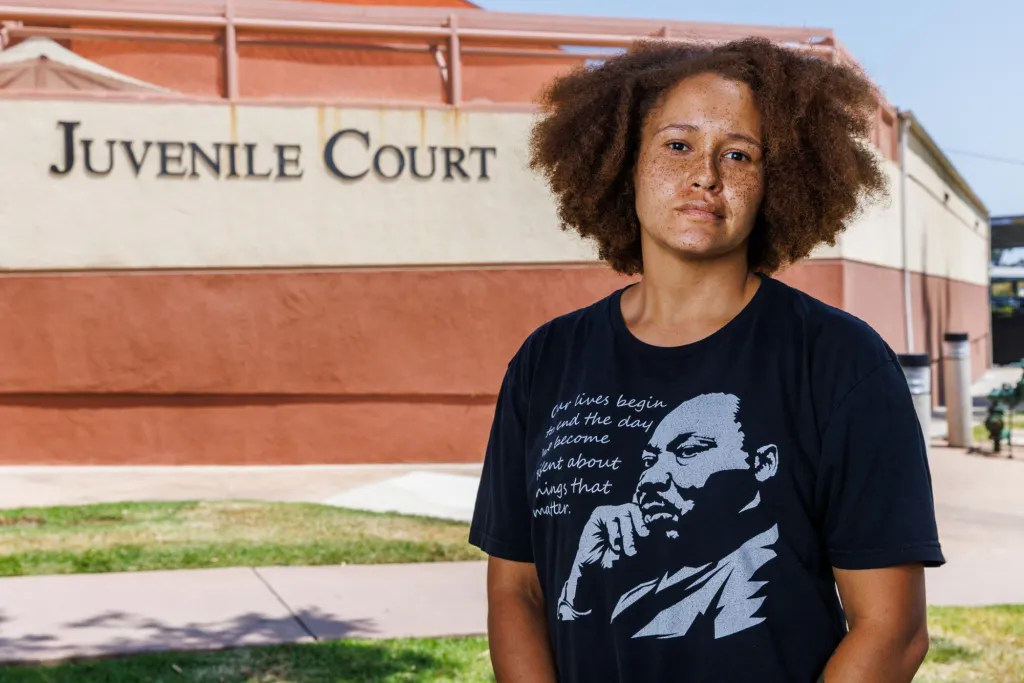
“The issue is that the institution with the authority to continue supporting the commission has chosen not to,” said Commission Chair Caitlin Radigan, who spent time in juvenile hall and in the foster care system as a youth herself, in an interview.
“That decision has real consequences. Whether or not that was the intent, it puts independent oversight of the juvenile justice system at risk.”
The court notified the commission of its decision to withdraw support a year ago. It said the choice came after the commission “sought to expand its narrow statutory activities to include broader public policy engagement, public communications and independent public statements on matters that may come before the court.”
The commission ran afoul of the court by asserting during a review of its bylaws that it was an independent body, free to speak openly on youth-related matters and adopt policy positions as it sees fit.
Court spokesperson Emily Cox said the commission actions prompted the court to seek an outside legal review, which in turn said the commission is under the purview of the county administration — not the court.
As such, the court will not continue its sponsorship, for fear that supporting the commission could compromise its appearance of neutrality, Cox said.
“The court’s decision to discontinue providing administrative support was not a reflection on the JJC or the importance of its mission,” Cox said by email. “Rather, it was driven by the court’s ethical obligation to remain institutionally neutral, to ensure that governmental responsibilities are appropriately allocated and that state trial court funds are used only for authorized court purposes.”
Historically, the county administration had supported the commission’s operations. But the court assumed sponsorship in 2014 at the county’s request, according to Cox. The county and the court have shared the cost of the commission’s liability insurance, she said.
Now that the court is withdrawing, it was expecting county administration to resume sponsorship. But the two agencies disagree on who state law says is responsible — and meanwhile neither is yet stepping up to support the commission.
Cox noted that state law says county administration must reimburse the commission’s costs, like insurance — but it also says the county can choose instead to pay only a $25 per-meeting stipend for commissioners, which the county says it is doing.
The county considers the board to be an independent commission of the court, not the county, since the presiding judge appoints its members, county spokesperson Chuck Westerheide said in an email.
Read more Commission questions Oceanside’s proposed new policy for park names
“The county’s position is not a withdrawal of support for the JJC’s mission,” he said. “Rather, it merely concerns which governmental entity is obligated under state law to provide administrative support and funding.”
Despite the court saying it will no longer support the commission, Westerheide said the county is working with the court to resolve the issue and is considering seeking legislative clarification.
The court first notified the commission of its decision to suspend its administration last summer, according to a letter released by the court last week.
“We believe this change reflects both of our respective institutional responsibilities and the JJC’s desire to act independently within the juvenile justice system,” Executive Officer Michael Roddy told the commission in the letter last August.
In the meantime, Roddy said the commission must remove the court’s seal and email addresses from its business cards. It also must stop using commission badges and avoid referring to the commission as a court entity or telling anyone that the court supports any commission positions, he said.
It’s not clear how the commission responded or what steps it took to protect the panel and its work. Radigan said communications between the board and the court are protected from public release by attorney-client privilege.
But a second letter released by the court to the commission dated in late June shows the court rejecting the commission’s request to delay cutting off its administrative support for six to nine months.
Commissioners said they have been working for months behind the scenes to resolve the dispute but have not been able to get the court to budge.
Roddy said the court is prepared to turn over the commission’s historical records. It will also store confidential information, forward emails and other correspondence to commissioners and post limited meeting information — but only through Sept. 29.
“We wish the JJC success as it undertakes these new administrative responsibilities and appreciate your continued commitment to this important work,” Roddy wrote.
The Superior Court’s moves were not welcomed by youth advocates attending the commission’s latest meeting on Wednesday.
Alexis Cuadras, a member of the nonprofit Mid-City CAN’s Youth Justice Momentum team, said he works with youths in custody and youths on probation and they want to be heard, treated with dignity and given chances to succeed.
“Independent oversight bodies, like the Juvenile Justice Commission, help ensure that youth experiences are seen, documented, elevated and considered,” he said during the meeting.
Johanna Rasmussen, founder of the California Juvenile Justice Commissioners Collaborative, a network of volunteer commissioners across the state, pleaded with the court to rethink its plan.
“It would represent a fundamental departure from more than six decades of established law and governance and would weaken the independence that gives these commissions their credibility and the public’s trust,” Rasmussen said during the meeting.
In May 2025, California Attorney General Rob Bonta announced his office had opened a civil rights investigation into San Diego County for its handling of detention facilities and schools for at-risk youths.
“Every young person deserves the opportunity to learn and grow in a safe, dignified, and welcoming environment,” Bonta said at the time.
Despite the loss of support from the San Diego Superior Court, Radigan said the commission still expects to finish its 2026 facility inspections by September.
Read more Firefighters from 5 cities ask county to review emergency procedures at Carlsbad airport