






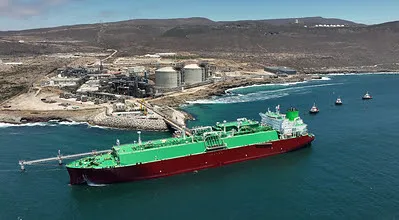
The expansive liquefied natural gas project in Baja Mexico launched by a subsidiary of San Diego energy giant Sempra loaded and shipped its first export cargo this week.
Read more Fire at a shoe factory kills 28 in one of China’s deadliest blazes in recent years
“At a time of increased uncertainty in the global LNG trade, we are excited to begin shipping a new and reliable source of natural gas from North America’s Pacific Coast to customers around the globe,” Sempra Infrastructure CEO Justin Bird said in a statement.
While the Energía Costa Azul facility is not expected to go completely online until later this summer, company officials touted the successful loading and shipping as a milestone toward full commercial operations of the project in Ensenada.
Sempra Infrastructure did not provide much detail about the shipment, but in a separate news release, TotalEnergies of France said the cargo was heading to Asia — though it did not say exactly where.
International ship-tracking platform Kpler reported that a TotalEnergies-operated vessel called Pacific Success is doing the sailing.
TotalEnergies owns a minority stake in the project and will offtake 1.7 million metric tons of LNG for 20 years, from the start of commercial operations.
The rollout of Energía Costa Azul “strengthens the quality of our integrated LNG portfolio in North America,” TotalEnergies CEO Patrick Pouyanné said in a statement, adding that the facility’s location “provides privileged access” to markets in Asia that are hungry for natural gas.
An export facility along the shore of the Pacific Ocean is considered lucrative because, unlike so many LNG operations located on the U.S. Gulf Coast, shipments from places like Ensenada can complete the journey in about half the time. What’s more, they don’t have to pay tolls to go through the Panama Canal.
Development of Phase 2 of the facility, known as ECA for short, is already underway.
In the LNG process, export facilities take natural gas via pipelines and cool it to minus 260 degrees Fahrenheit. The liquefied gas is then poured into specially made cargo tanks on double-hulled ships that sail to international destinations.
Phase 1 of the ECA project expects to have the capacity to ship 3.25 million metric tons of LNG per year from a single liquefaction “train,” or production unit, to markets around the globe, with a focus on Asia and the Pacific Basin.
Read more Major intersection in City Heights closes after water main break
The natural gas at ECA is sourced via pipelines that bring in gas from the Permian Basin in Texas and New Mexico.
The LNG global export business has been booming in the past decade, with U.S.-based companies becoming big players.
Countries across Europe became more reliant on LNG imports in the wake of Russia’s invasion of Ukraine in 2022. Also, traffic restrictions in the Strait of Hormuz following air strikes by U.S. and Israeli forces in Iran have heightened the focus on oil and natural gas deliveries around the world.
But since natural gas is a fossil fuel, environmental groups have long opposed LNG exports and expansion, saying they contribute to global warming and slow the adoption of carbon-free sources of energy.
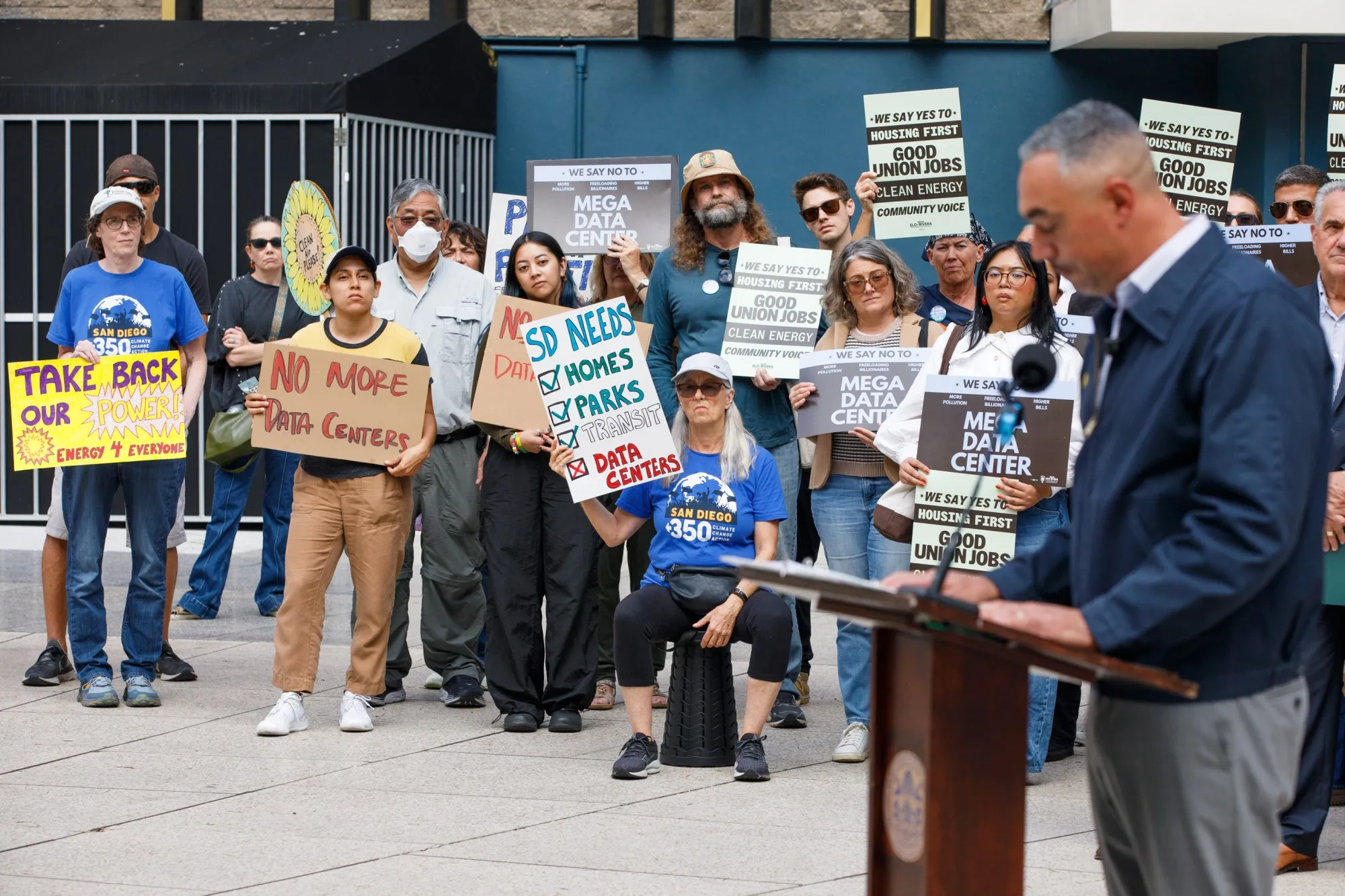
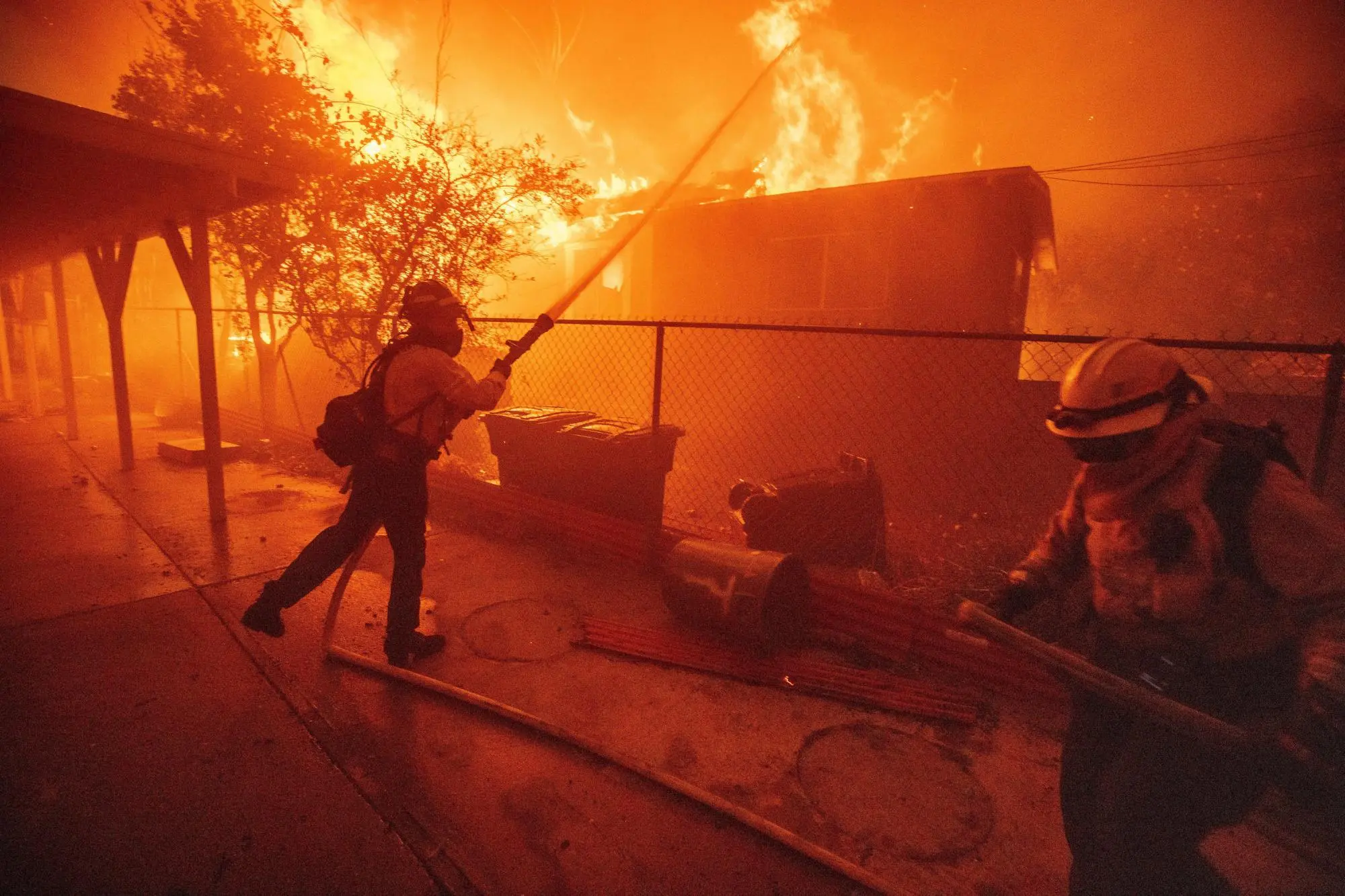
“Sempra’s LNG terminal expands the use of methane gas, a fossil fuel and greenhouse gas that is 20-80 times as potent as carbon dioxide, exacerbating dangerous and costly climate disasters like the LA fires last year, which cost over $250 billion, as well as hurricanes, flooding, and extreme heat waves (like the one that hit the East Coast last week),” Masada Disenhouse, executive director of SanDiego350, said in an email.
The project in Ensenada is just one of several facilities that Sempra Infrastructure operates.
At the same time, however, the Sempra parent company is in the process of de-emphasizing its LNG investments.
Last fall, the company announced a $10 billion deal to sell 45% of Sempra Infrastructure to affiliates of global private investment giant KKR and the Canada Pension Plan Investment Board.
Under the plan that is expected to be completed this year, Sempra’s share of the first phase of Energía Costa Azul will be reduced from 58.4% to 20.9%.
On the U.S. Gulf Coast, Sempra’s ownership share of Cameron LNG in Louisiana will be reduced from 35.1% to 12.6%. In addition, its share of the first phase of the Port Arthur LNG project in Texas will drop from 19.6% to 7%, and its ownership of the second phase of Port Arthur will fall from 35.1% to 12.5%.
Read more China’s ballistic missile launch was a message for the US