




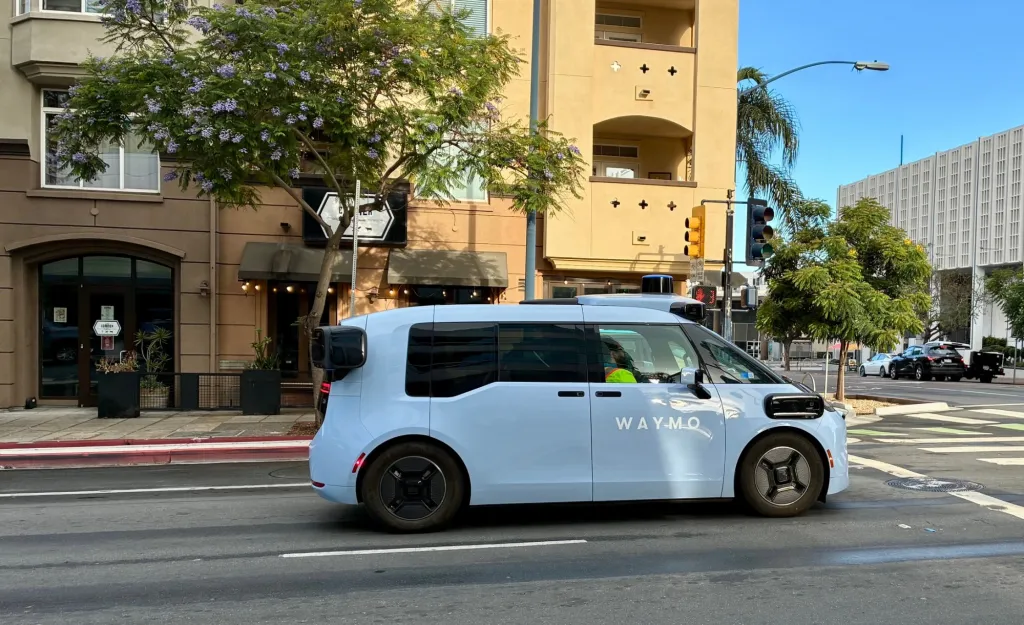
Don’t be shocked if you’re stopped at a traffic light and a car without a human behind the wheel pulls up next to you.
Read more In a surprise swap, Trump flies back from Turkey in an old Air Force One, not the Qatari-gifted jet
Waymo, the autonomous driving technology company, announced on Wednesday its next phase of testing that aims to bring its ride-hailing service to select areas of San Diego.
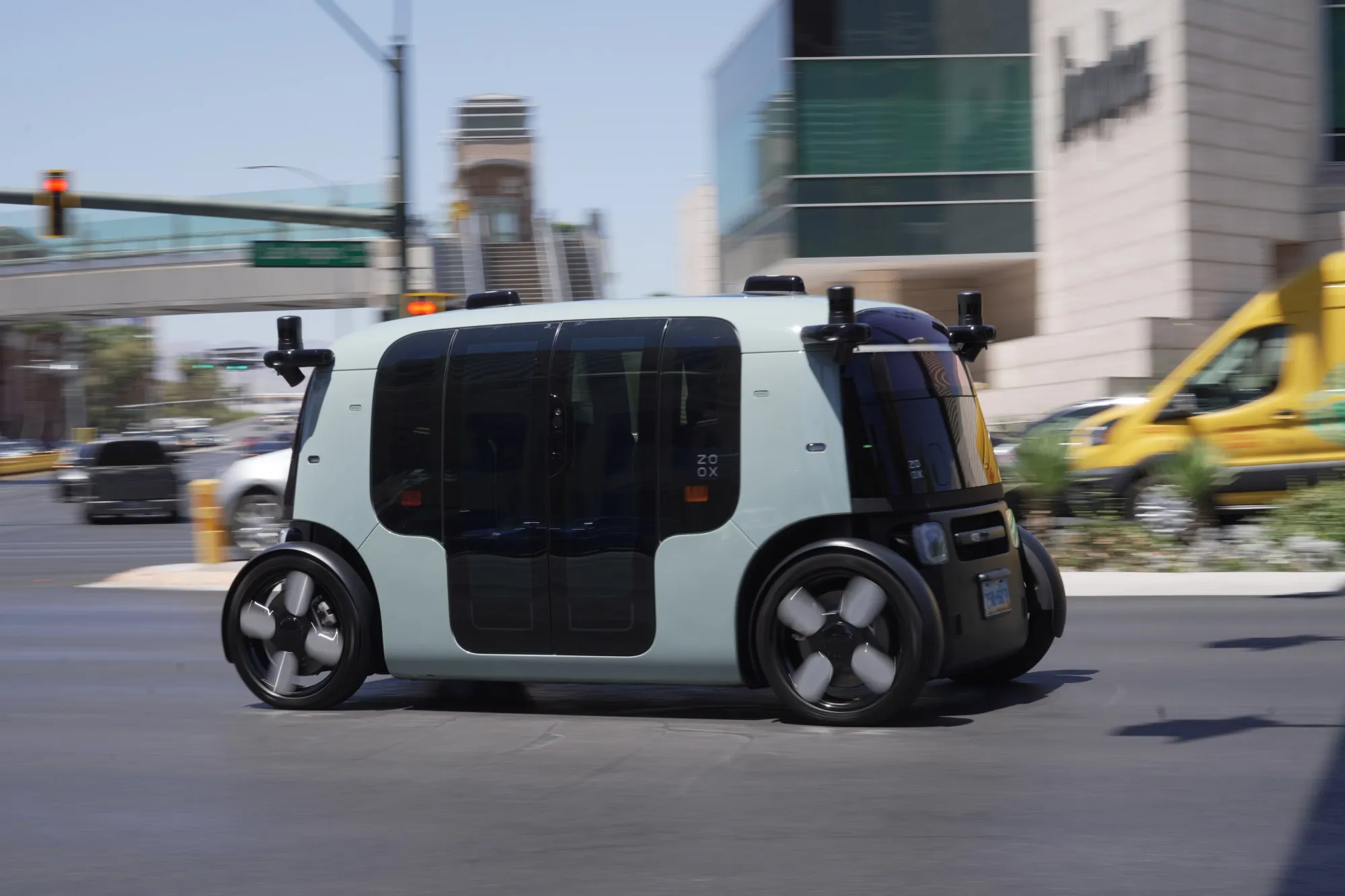
After months of the light-blue all-electric Zeekr RT minivans assessing Waymo software with a human in the front seat, the vehicles will further enhance the company’s testing of San Diego roads and freeways by going fully autonomous — with no human at the controls.
A spokesperson for Waymo told the Union-Tribune this next round of assessments will start in a matter of weeks.
During that time, all rides will only be available to Waymo employees.
So when can everyday San Diegans catch a ride? The company said it expects to provide trips by the end of this year.
Waymo is driving and collecting information in neighborhoods that include Pacific Beach, Normal Heights, La Playa in Point Loma, South Crest and other areas within the city limits — although not as far north as La Jolla. In recent months, the minivans have almost become a common sight in places like Bankers Hill and Hillcrest.
The company also announced that in addition to San Diego, cities such as Las Vegas, Denver and Tampa will soon be driving in fully autonomous mode. Waymo is already fully operational in 11 cities, such as San Francisco, Los Angeles and Dallas, with a network spanning more than 1,800 square miles.
When fully put into place, customers can hail a Waymo robo-taxi 24/7 by downloading an app.
But while Waymo touts its move into the San Diego market, some want to put the brakes on the rollout.
Critics have come to the Metropolitan Transit System meetings to voice concerns, including potential job losses, safety issues, and the robotaxis possibly blocking first responders.
“Allowing autonomous passenger services without guardrails opens the door to expansion into trucking and delivery, threatening even more workers whose livelihoods depend on driving,” San Diego City Councilmember Sean Elo-Rivera said during an MTS board meeting earlier this year. “Autonomous vehicles don’t just change how people move. They literally replace people.”
Read more Autopsy determines 45-year-old San Diego jail inmate died of natural causes
Elo-Rivera is also chair of the Taxi Advisory Committee.
In January, the MTS passed a resolution opposing the expansion of Waymo’s robo-taxis, calling for more local control over the deployment of autonomous vehicles.
However, the state — through the California Public Utilities Commission and the California Department of Motor Vehicles — grants the permits for driverless vehicles, not local governments.
Waymo defends its safety record, saying that Waymo vehicles were involved in 94% fewer crashes that caused serious or fatal injury compared to human drivers in the same areas.
The company says it has been working with a handful of local organizations — such as the San Diego Seniors Community Foundation, the San Diego Center for the Blind and Circulate San Diego — to inform the public on their new technology.
Waymo has also scheduled trainings with first responders, including the San Diego Police Department, California Highway Patrol and San Diego Fire-Rescue.
San Diego Mayor Todd Gloria supports the company’s plans.
“By welcoming innovative and promising technologies like Waymo’s autonomous vehicle service, we’re exploring how to make transportation more accessible, more sustainable, and more connected for everyone in our community,” Gloria said in November.
Waymo vehicles were involved in a giant traffic jam on Independence Day in San Francisco.
NBC News reported at least a dozen Waymo vehicles stalled on streets after a fireworks display from the Golden Gate Bridge. KGO-TV said some needed to be towed, and one vehicle drove over a lighted firework while carrying passengers.
“On July 4th, extreme traffic congestion in Northern San Francisco disrupted normal operations for several Waymo vehicles,” a company spokesperson told the station.
Read more Takeaways: Trump leaves NATO summit declaring ‘a lot of love’ with allies after a rocky start