








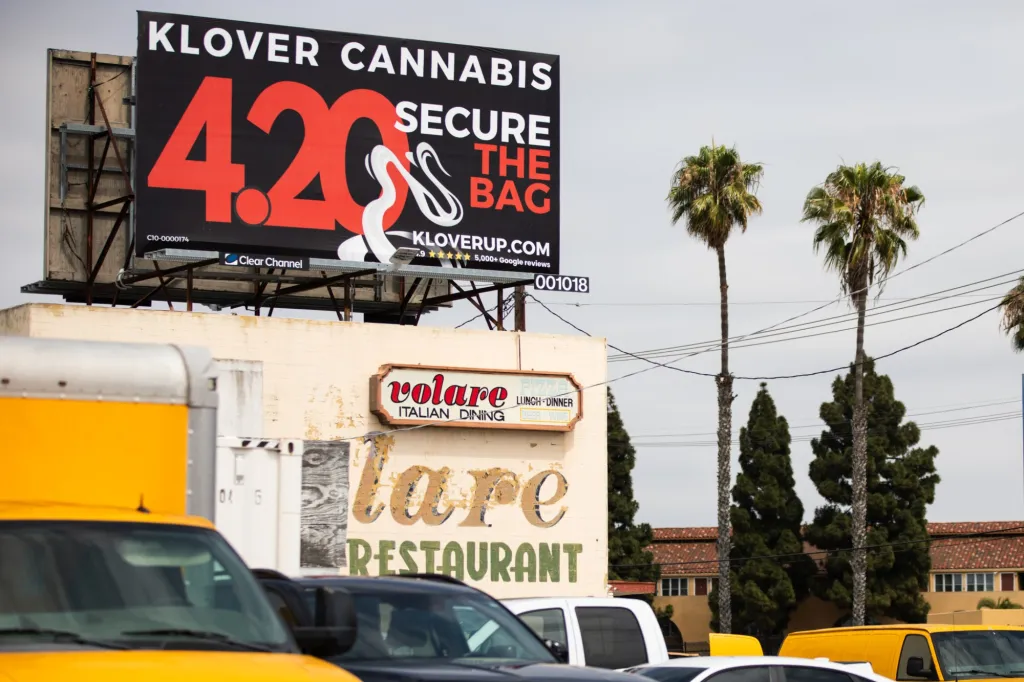
San Diego cracked down Monday on illegal cannabis delivery services by creating new permit requirements, increasing penalties and allowing legal dispensaries to sue illegal operators and recover damages.
Read more Authorities arrest 2 more suspects in planned attack on Trump’s UFC show
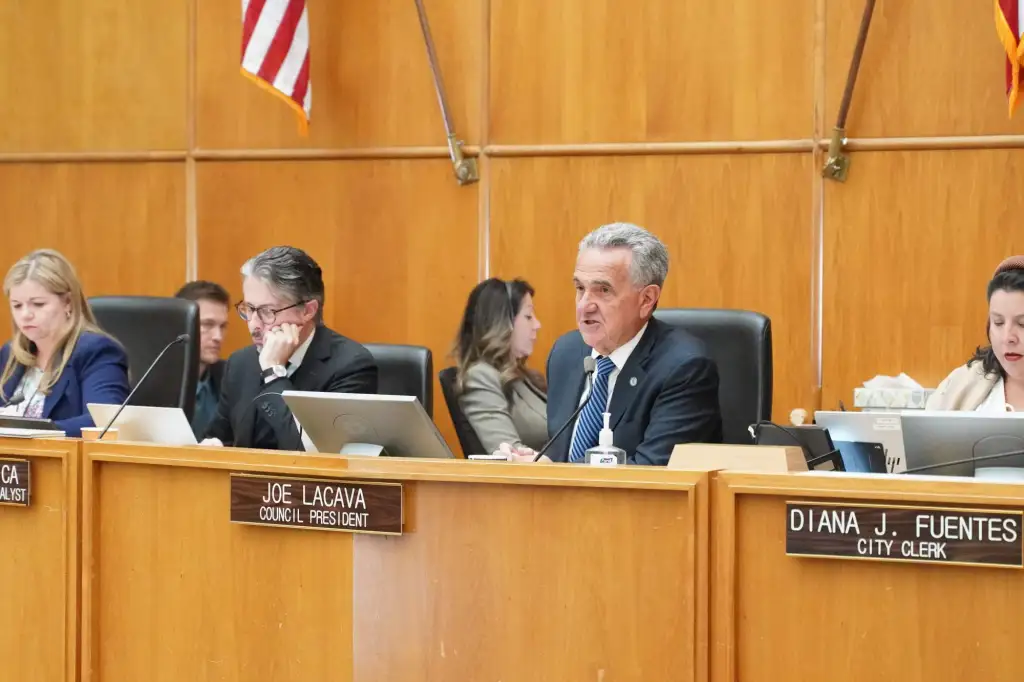
The City Council voted 7-0 to make those changes, contending that the city’s cannabis dispensaries are struggling financially partly because of intense competition from illegal operators.
Critics expressed doubt that the new rules would have a significant impact, stressing the changes don’t include any stepped up enforcement against illegal activity by police or the city’s Development Services Department.
Other critics said the new rules would pit the city’s legal cannabis businesses against participants in a new county cannabis equity program that may allow cannabis deliveries into the city when it gets finalized.
San Diego officials said the new policies are not intended to conflict with the new county program, which is expected to get approval in coming weeks. They said the new city rules protect participants in the new county program, who will be vulnerable to the same illegal operators.
Councilmember Henry Foster said during Monday’s public hearing on the new rules that he intends to bring forward a long-delayed city cannabis equity program sometime soon.
Cannabis equity programs aim to help people previously convicted of cannabis crimes to enter the industry with lower financial barriers than others face. Allowing deliveries without a storefront is one way to do that.
Councilmember Raul Campillo, who spearheaded the new rules, hailed them Monday as a crucial step toward cracking down on illegal delivery services that pay no taxes and follow no rules.
“This activity goes on and on and on while the government agencies tasked with regulation are unable to enforce the law,” Campillo said. “If a business continues to ignore local and state laws, they can then be held accountable.”
The city’s Independent Budget Analyst said the new policies are unlikely to generate significant revenue for the city.
The new permits will likely only be acquired by a small number of state-licensed cannabis businesses that deliver to customers in San Diego but are not licensed by the city, the IBA said.
Some other delivery services, ones that operate in San Diego but don’t have any licenses at all, are unlikely to seek the new permits the city is requiring, the IBA said.
Read more Teenager shot in the leg during drive-by shooting in Clairemont
Kohta Zaiser, an aide to Mayor Todd Gloria, said the city would study how large the permit fee would be based on the city’s costs of enforcement.
The new policies don’t change the city’s longtime prohibition against delivery-only cannabis businesses in the city.
Workers at the city’s nearly 30 legal dispensaries, which are allowed to make deliveries, painted a bleak picture of the local industry during Monday’s public hearing on the new policies.
They said many dispensaries had laid off workers and that other workers have had their hours cut. The IBA said revenue from the city’s cannabis tax continues to fall below projections.
“The legal cannabis market is in trouble,” said Todd Walters, who identified himself as a dispensary worker.
Supporters of the county equity program said San Diego’s new rules would hurt participants in that program, many of whom live within the city.
“It’s San Diego residents you’re attacking here,” said Armand King, a county employee helping to create the program.
The expanded power for civil action grants permitted city dispensaries the power to use a legal maneuver called a private right of action, which gives them a stronger basis in court to argue they’ve been financially harmed by someone violating a city ordinance or the city’s municipal code.
The new policy says the city will split any damages awarded in such cases with the business that sued, with the city keeping 65% and the business keeping 35%.
The changes would raise penalties for illegal cannabis activity to $20,000 per day, up to a maximum of $500,000.
Read more Los Angeles schools superintendent resigns after FBI search and months on paid leave