







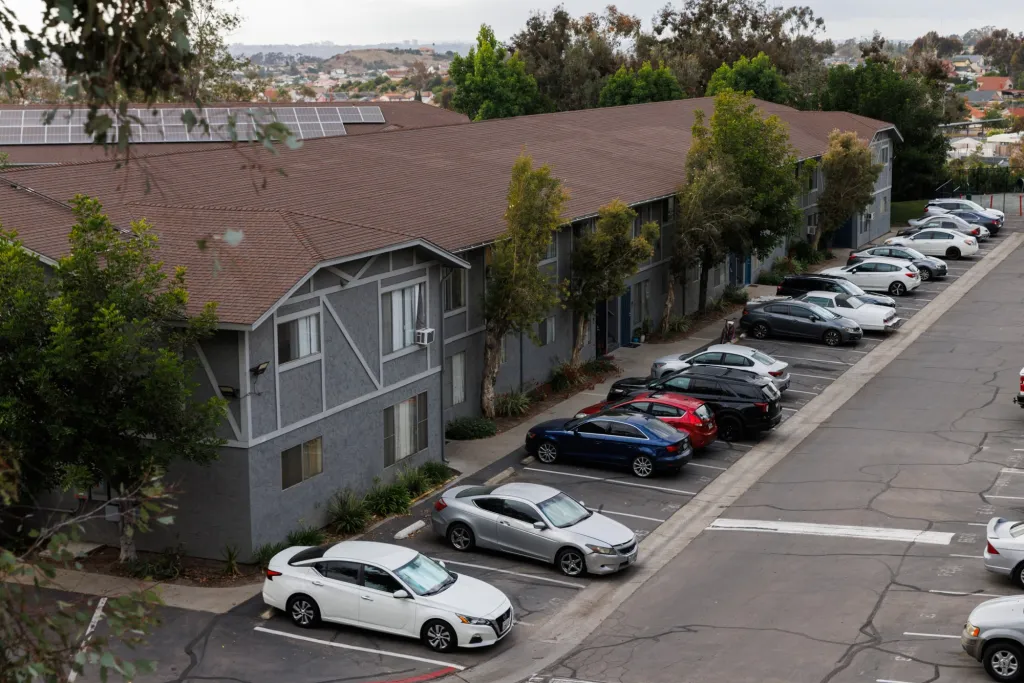
San Diego is using $8.5 million to launch a new city fund that will buy apartment complexes with low rents before developers can either tear them down or remodel them into high-rent complexes.
Read more Judge orders Pentagon to lift policy that journalists be accompanied by an escort
City officials say it’s cheaper and faster to solve the local housing crisis by preserving existing low-rent units than relying entirely on new housing production.
They said the long-awaited fund is a crucial complement to a 2025 city law that requires owners of complexes with low-rent units to notify the city if they plan to sell and give the city the first opportunity to buy.
That law, while praised as a crucial step toward preserving affordable housing, was criticized as hollow without a significant amount of cash the city can use to buy such complexes or keep them affordable in other ways.
City officials committed last fall to creating the new fund and suggested it should be launched with $5 million from the Neighborhood Enhancement Fee Fund, which collects money from developers that take advantage of the city’s Complete Communities housing incentive.
Because more developers have used that incentive than anticipated, the fund will be launched with $8.5 million — 70% more than city officials expected last year.
“Homes with affordable rent are disappearing every day, but this fund is meant to slow that trend and keep rent low for thousands of individuals, families and seniors for decades to come,” Councilmember Kent Lee said after the City Council unanimously approved the new fund Monday.
But Lee, who leads the council’s Land Use and Housing Committee, warned that $8.5 million is not going to come close to solving the problem.
City officials say there are 4,200 government-subsidized low-rent units and 9,250 naturally occurring low-rent units that are vulnerable to getting replaced by market-rate units by 2040.
Naturally occurring low-rent units are typically older buildings that lack modern amenities, making their rents lower than newer, market-rate units.
“There’s a lot of work to do,” Lee said. “$8.5 million is not a lot.”
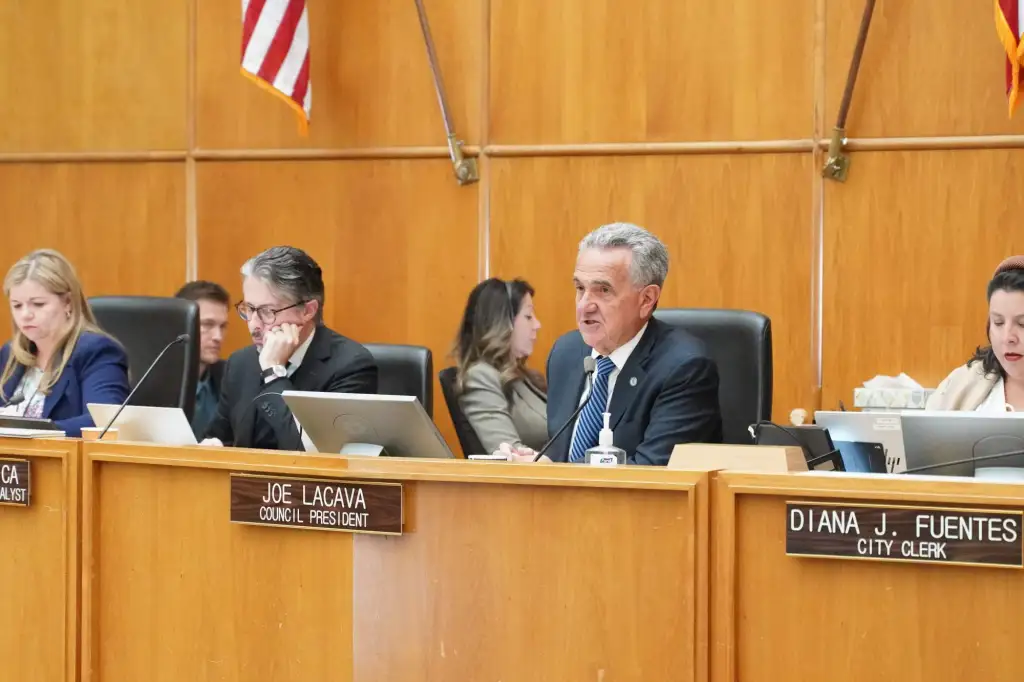
Council President Joe LaCava agreed, saying it’s not time to declare victory. But he also said establishing the fund is an important move.
“This is a huge step toward solving a huge problem,” LaCava said.
The money will be used to acquire and preserve both subsidized and naturally occurring low-rent units, officials said.
Read more Trump administration lifts restrictions on Anthropic’s Claude models after cybersecurity alarm
The city could use money from the fund to partner with developers who would buy and preserve the units or to incentivize owners of low-rent complexes to maintain those low rents for more years than they are required to.
The fund will be operated by the city’s Housing Commission, which says the initial focus will likely be naturally occurring units.
Commission officials said last fall they plan to target “stable, revenue-generating, multifamily properties in high-opportunity areas — such as those near transit, schools, and employment centers — that do not yet require major rehabilitation.”
The fund will continue to get replenished by the Neighborhood Enhancement Fee Fund. The fund grows when developers use the Complete Communities incentive, which allows them to build projects that have many more homes than the underlying zoning would typically allow if those developers agree to add amenities like parks.
Developers can pay into the Neighborhood Enhancement Fee Fund instead of providing amenities. Since that fund was created in 2020, developers have contributed more than $20 million — $13 million of it devoted to preservation of affordable housing. That $13 million has previously helped build subsidized units. Now it will be used to help preserve existing units.
City officials said last year that typical costs to preserve affordable units are $400,000 per unit, while costs to subsidize new affordable units range between $500,000 and $900,000.
“Preserving the affordable units we have is just as important as building new ones,” Councilmember Vivian Moreno said. “While we must keep building, construction alone is not keeping up with demand.”
Councilmember Sean Elo-Rivera says he sees the new effort to preserve affordable housing as a third pillar in the city’s effort to improve affordable housing access, to go along with its eviction ordinance and its efforts to boost housing production with developer incentives and regulatory reforms.
“San Diegans deserve to know they have a future in their city and that requires protecting affordable housing in addition to building homes that working families can afford,” Elo-Rivera said.
Lee said the preservation fund is the city’s only real opportunity to save low-rent units.
Read more As the Pentagon stays quiet, AP reconstructs a US strike that killed over 100 Iranian children
“There’s nothing we can do for those units if we’re not ready to act,” he said.