



The race to represent Assembly District 74 in coastal North County and south Orange County pits an incumbent Republican against a Democratic challenger — and it’s a rematch of the June primary.
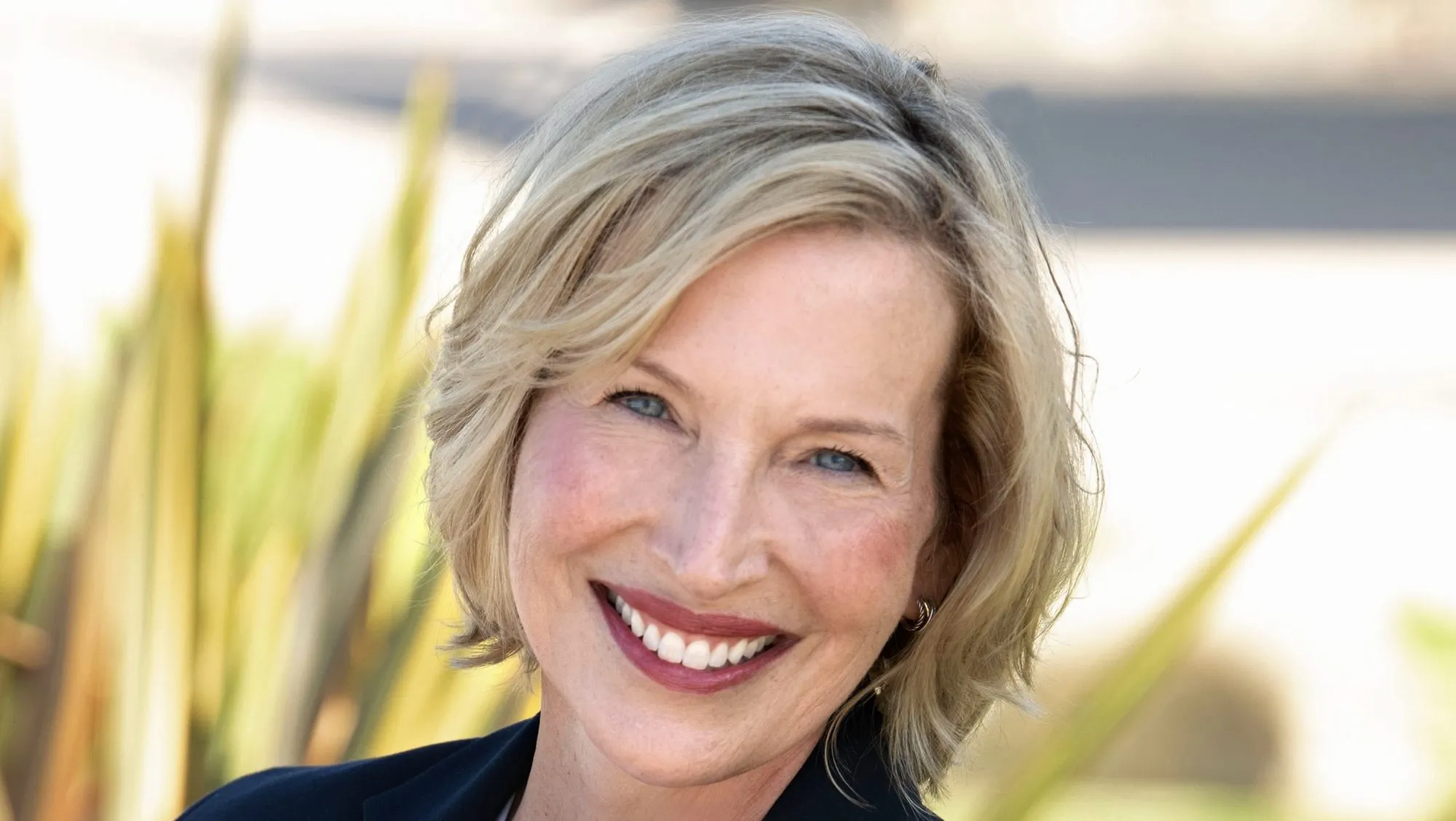
Laurie Davies, 64, has been an assembly member since 2020 and is seeking a fourth term. She lives in Laguna Niguel, where she served two terms as a city council member, including time as mayor.
Davies grew up in Wisconsin and headed to California in 1981, working her way through college at Cal State Long Beach. She moved to Orange County, where she managed restaurants and handled events before opening her own planning business, Five Star Wedding & Events.
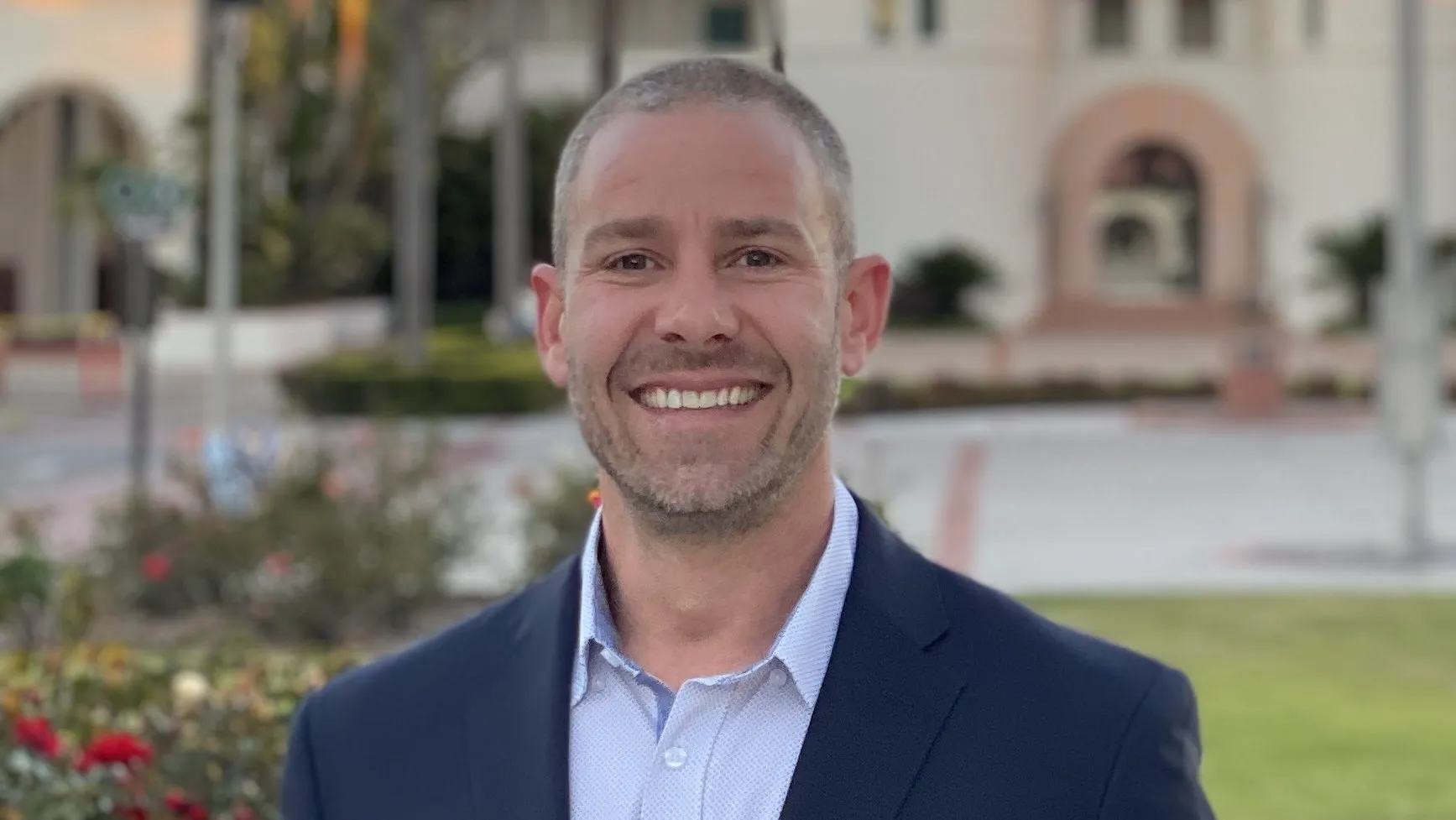
Sergio Farias, 43, is in his third term as a member of the San Juan Capistrano City Council — he’s a native of the city — and has served twice as its mayor.
He is the son of immigrants. When he was 16 years old, his father fell ill. Farias stepped in to run the family’s landscaping business, working full time as he completed high school. His father died before he graduated, and he ran the business for another 18 years. He now works at South County Landscaping, where he is the chief operations officer.
Both candidates say affordability, particularly with gas and housing, is top among the most pressing issues facing their constituents. Both also favor pausing the so-called gas tax as rising fuel prices slam drivers in the face of war with Iran and a stranglehold on the Strait of Hormuz.
Sergio Farias, Assembly District 74 candidate, 2026 election questionnaire
Laurie Davies, Assembly District 74 candidate, 2026 election questionnaire
Assembly District 74 stretches from Vista and Oceanside north through Camp Pendleton with a slice of Fallbrook, then reaching into Orange County, where it includes San Clemente, Dana Point, San Juan Capistrano and Laguna Niguel.
Politically, the district is purple. As of early September, nearly 35% of the registered voters in the district were Democrats, and nearly 35% were Republicans, according to the Secretary of State’s office. Voters with no party preference accounted for another 22%.
The November election is a rematch of the June primary. In that election, Davies received 52.3% of the vote, and Farias garnered 47.7% — nearly 77,800 votes for her versus about 66,400 for him.
From the start of the year through mid-September, Davies raised nearly $525,000, including about $172,000 brought in since July.
Farias raised nearly $81,000 from January through mid-September, nearly $45,000 of which came in between July and Sept. 19. Those figures don’t include the more than $80,000 his campaign received in early October from the California Democratic Party.
Housing and gas
Both candidates said they prefer more local control over state-mandated requirements for meeting the region’s housing-stock needs.
“The biggest problem with the state is one size fits all, and it doesn’t work that way,” Davies said. She said she’d like to see more of a regional approach to meeting the requirements. “I think each city in each region knows what’s the best fit for their area and what type of housing. It doesn’t have to all be high density,” she said.
Davies said the housing problem traces to years of policies made “without accountability, without understanding the repercussions that were happening.”
She wants to pause the gas tax — the state excise tax combined with other mandated fees adds more than $1 to each gallon — something she has sought to do for years. “I think the first thing we need is audits to see where our gas tax is going to begin with. I don’t think it’s being used like it should,” she said.
Davies also said she’s firmly against charging drivers for the amount of miles they drive, a policy she said would hit hard for lower-income people who can’t afford to live where they work.
Read more ‘Should be shot’: Trump intensifies midterms messaging
Farias underscored rising costs of gas and electricity, healthcare and housing. “The biggest issue is just being able to afford living in our district. Families are treading water in our district. The status quo is unacceptable,” he said.
Farias, too, wants more local control over housing. “Mandating that we do overlays and reduce the amount of retail and industrial is just not a sustainable way for communities to move forward,” he said.
Farias said he wants the gas tax paused. “Absolutely, whatever we could do to lower costs for families immediately has to happen,” he said, adding that the country should get out of “a war of choice” with Iran. He also said the president has “led us down this path with needless tariffs that are causing a rise in food prices.”
Prop. 40 and high-speed rail
Davies doesn’t support Proposition 40, which would levy a one-time 5% tax on billionaires. She equated the initial revenue it would bring to a “sugar high” and projected it would prompt the wealthiest people to leave the state. She also noted that the Legislature, not voters, can set the threshold for who gets taxed in the future, starting with millionaires and working down. “I call it more of the middle-class tax,” Davies said.
Farias supports Proposition 40, the so-called billionaire tax. “It’s not a tax on every Californian, just on the billionaires who were given a tax break from the Big Beautiful Bill,” Farias said, referring to a 2025 federal bill that cut taxes and spending. “All that money is just going back to where it was supposed to go.” And that, he said, includes healthcare.
As for the state’s high-speed rail project, Davies, who is vice-chair of the Assembly Transportation Committee, wants to divert the money elsewhere. “We’re not seeing the results we need,” she said.
Those high-speed rail dollars, she said, could go toward needed work on the very busy rail tracks between San Diego and Los Angeles, coastal stretches of which are repeatedly closed, sometimes for weeks or months, due to erosion.
Farias said that since voters approved high-speed rail in 2008, there has been poor planning and ballooning costs. “I think either we need to figure out how to go forward and actually have a plan or it needs to go back to the voters,” he said. “The state’s shown that we can’t build infrastructure.”
Accomplishments
During her time in the Legislature, Davies and her team have gotten 35 bills passed, including several pieces of legislation surrounding e-bikes, among them a bill that requires middle and high school students who ride e-bikes to school to get safety training.
Davies also authored legislation to require that high school juniors and seniors be made aware of opportunities for apprenticeships and trade work.
She highlighted her membership in what is called the Problem Solvers Caucus, a bipartisan, bicameral group made up of equal numbers of Democrats and Republicans. They meet routinely to discuss selected issues and hear from subject-matter experts in order to collaborate on practical solutions. Voters, she said, “want to see us come together. They want us to work across the aisle because when we do that, we know that it’s good legislation.”
Farias said his political highlights include San Juan Capistrano’s effort to reduce homelessness, dropping from 65 unhoused people to 10 over the last few years — a drop of 85%. He said the city hired a part-time staffer to work directly with unhoused people.
He also said the city built affordable and transitional housing, some of which was prioritized for veterans. “Taking care of our residents and veterans has been very important for us,” he said.
“I’ve had success at the local level,” Farias said. “I’ll take that experience to Sacramento to improve our state. I’m not going to vote based on my party. I’m going to vote based on my district.”
Assembly members earn an annual salary of nearly $135,000 a year. Their terms run two years.
Read more Painting Eisenhower Building would diminish historic character of White House complex, report says