





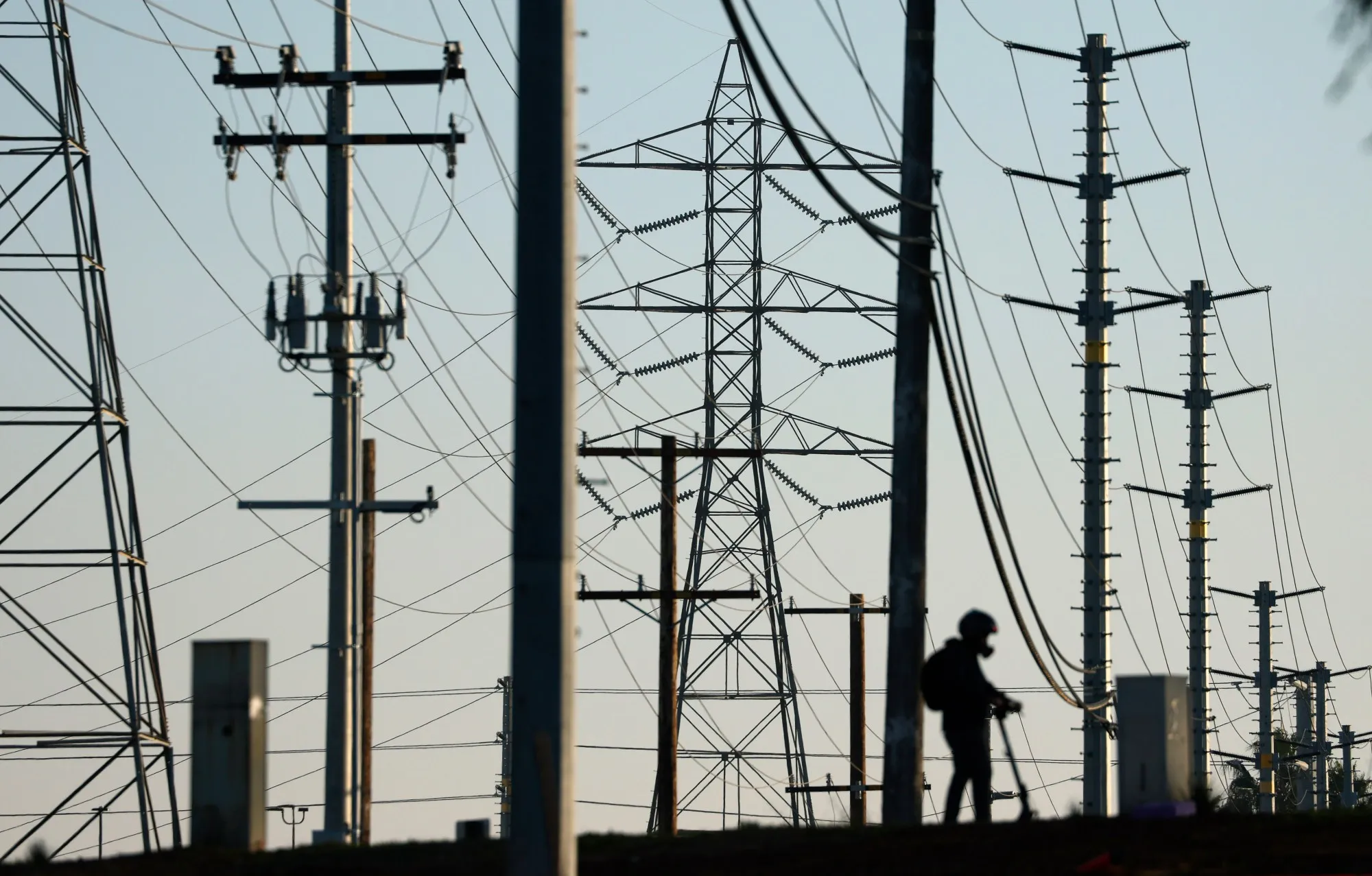
San Diego Gas & Electric will host a pair of open houses this week to allow the public to discuss and obtain more information on a proposed 500-kilovolt transmission line that would run from Imperial Valley to the east to the border of San Diego and Orange counties to the west.
Read more 8-year-old Louisiana girl dies from a rare brain-eating amoeba found in warm freshwater
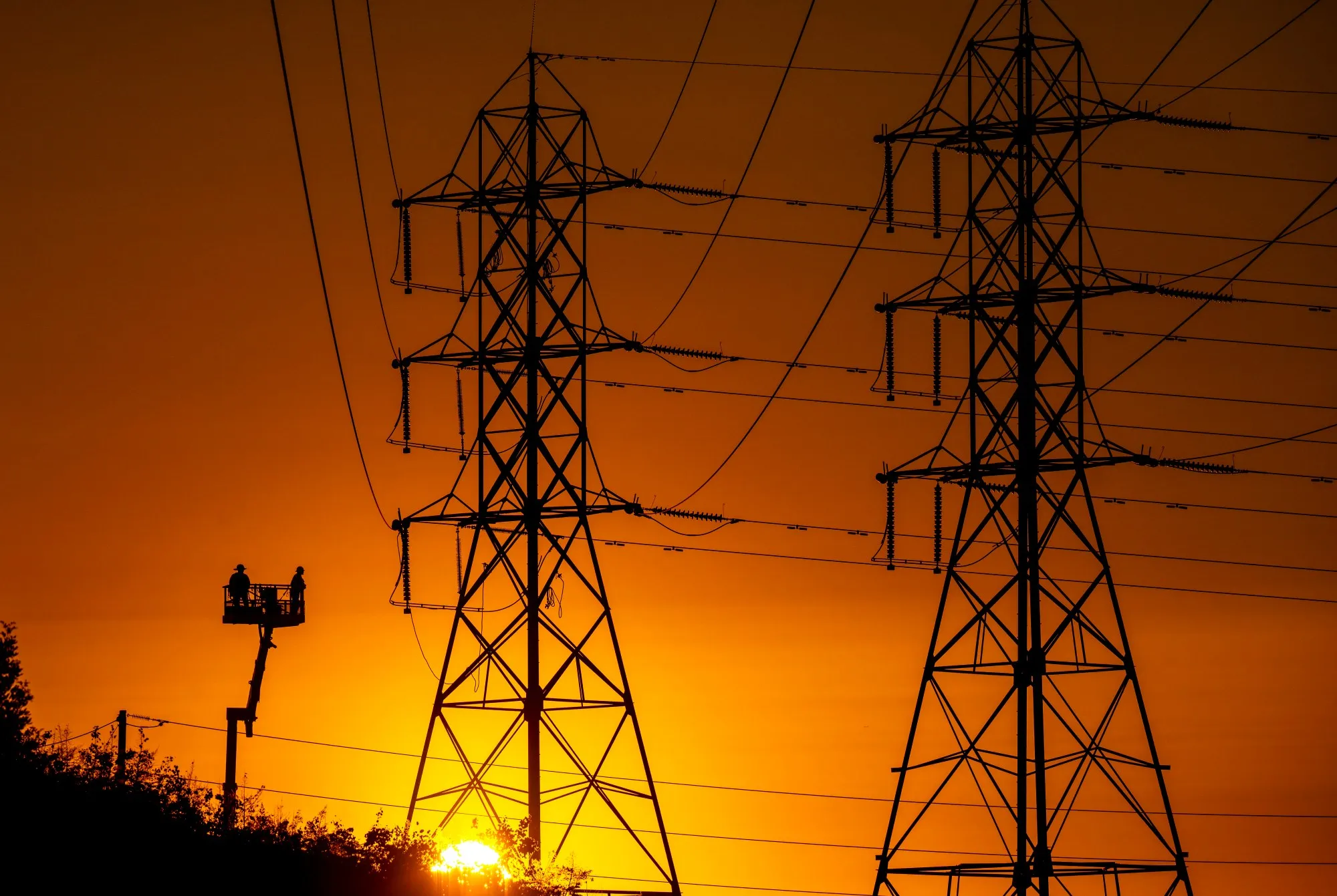
Dubbed the Golden Pacific Powerlink, the electricity corridor would stretch about 150 miles if it eventually gains the approval of the California Public Utilities Commission. The proposed line, estimated to cost $1.62 billion, has already received opposition from multiple groups.
SDG&E will hold open houses Tuesday at the Fallbrook Community Center and Wednesday at the Embassy Suites in Temecula. Both events will run from 4 p.m. to 7 p.m.
California is projected to use increasingly more electricity in the coming years to continue the state’s efforts to transition from fossil fuels to renewable energy sources, not to mention anticipated growth in demand throughout the country by expected data center growth feeding the AI revolution.
The California Independent System Operator, which manages the electric grid for about 80% of the state and a small portion of Nevada, drafted a . It cited assumptions that the power system needs to add more than 40 gigawatts of new resources over the next 10 years to keep the electric system reliable and resilient — and meet California’s clean energy mandates.
The state has set a mandate to derive 100% of its power from carbon-free sources by 2045, if not sooner. Policymakers also intend to transition from buildings and homes using natural gas to electricity, as well as moving California’s transportation sector from internal-combustion engines to electric vehicles.
The proposed Golden Pacific Powerlink would connect SDG&E’s existing Imperial Valley substation to a still-to-be-constructed substation just north of the site of the San Onofre Nuclear Generating Station and Camp Pendleton.
SDG&E has released a map of one route the utility prefers the transmission line to traverse, as well as three alternative routes.
“We’re out in the community, we’re listening, and we are trying to develop this route in the most responsible way possible,” SDG&E spokesperson Alex Welling said earlier this month.
The open houses, the utility says, are designed to provide an opportunity for community members to speak with staff members of the project, learn more and share feedback.
Read more People can sense mental decline, says new research powered by smartwatches
But Bob Garcia, a resident of the far North County community of Warner Springs, is opposed to the Golden Pacific Powerlink for multiple reasons.
“The project could damage and endanger to habitat and sensitive lands, and transform our rural landscape into an industrial corridor and obviously negatively impact the surrounding Anza-Borrego region,” said Garcia, who is chairman of a group called Save Warner Springs.
Garcia also voiced concerns about the potential lack of emergency access in and out of Warner Springs in the event of wildfire, as well as the prospect of a drop in property values for homeowners along the transmission line’s corridor.
Others, including the Anza-Borrego Foundation, also oppose the proposed routes.
But the San Diego County Taxpayers Association has come out in favor of building the transmission line.
“A reliable grid is essential for a growing economy,” the group’s CEO, Mark Kersey, said in a recent email to the Union-Tribune. “Projects like Golden Pacific Powerlink help ensure the region has the power capacity it needs to support new businesses, innovation, and jobs. Long‑term planning for energy reliability is good for taxpayers and the entire business community.”
Discussion about the Golden Pacific Powerlink is part of a years-long process that includes public hearings, environmental impact reviews and regulatory proceedings on the local, state and federal levels.
Ultimately, the California Public Utilities Commission, or CPUC, will have the final say on where the high-voltage line and its towers that are expected to rise about 200 feet from the ground will go, and whether it even receives approval to get built.
SDG&E expects to formally file the project with the CPUC later this year.
The cost of the project’s estimated $1.62 billion price tag will be spread proportionally among all ratepayers in the California ISO jurisdiction. SDG&E customers would shoulder 9% of the tab.
SDG&E will host two more open houses in October — at the El Centro Community Center from 4 p.m. to 7 p.m. on Oct. 13 and at the Borrego Springs Resort on Oct. 14 from 4 p.m. to 7 p.m.
Read more What to know about Trump’s tariffs on Canadian goods and rising tensions between once close allies