








San Diego County officials presented preliminary findings Tuesday from a long-awaited study that estimates the Tijuana River sewage and pollution crisis costs the regional economy between $125.6 million and $503.5 million annually, with unmitigated losses potentially reaching $7.9 billion over 20 years.
Read more Federal charges announced in Texas are part of broader Trump focus on noncitizen voting
The Board of Supervisors received the draft report during its regular meeting, though no action was required. The board directed the county’s chief administrative officer in September 2025 to commission the study, which was ultimately awarded to the consulting firm ECOnorthwest.
Supervisor Paloma Aguirre said the findings will bolster the county’s case for outside intervention and aid in this crisis.
“It is absolutely crucial that we present this data that we have, that we collect this data, that we analyze it and that we use it to present it to the state and federal partners and Mexico as well to hold them accountable to say that we cannot continue doing this,” Aguirre said. “We cannot continue this crisis to go unaddressed because close to $8 billion, that’s disaster level numbers.”
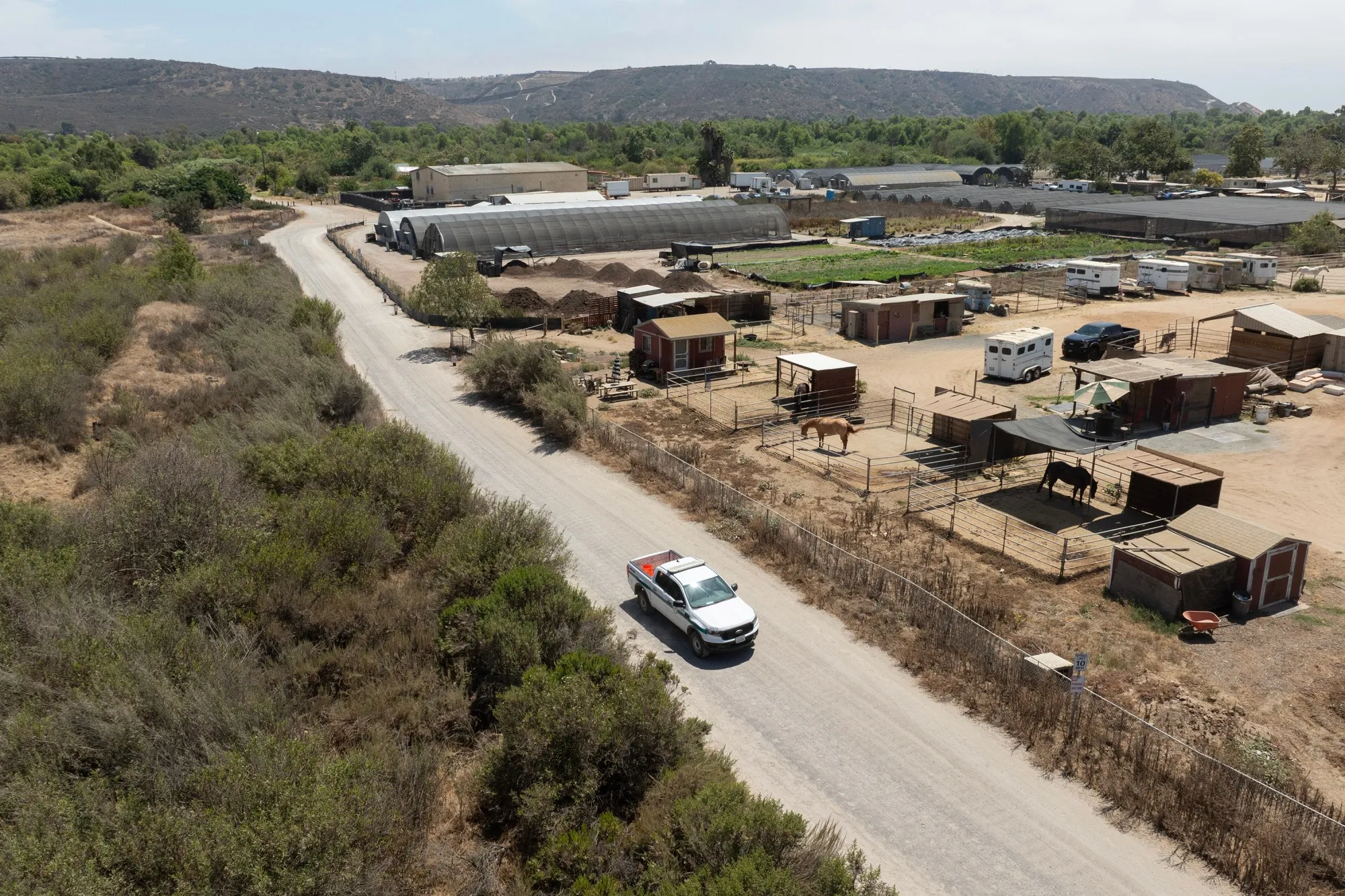
The Tijuana River sewage and pollution crisis stems from decades of untreated wastewater and industrial waste flowing across the U.S.-Mexico border into the Tijuana River Valley because of aging binational infrastructure that has failed to keep pace with Tijuana’s growth. The contamination has closed South Bay beaches for years at a time, released hydrogen sulfide and other toxic gases into surrounding neighborhoods, and been linked to respiratory illness, gastrointestinal illness and other health impacts among residents.
A recent report from San Diego Coastkeeper also found a steady presence of industrial chemicals — typically 10 to 20 different compounds per sampling event — in the lower Tijuana River watershed over the past year, pollution the group suspects originates from unregulated discharges by Tijuana manufacturing plants.
Chris Blakney, a partner and principal at ECOnorthwest, told the board the firm built its analysis around a “cost pathway” framework tracing the crisis from its physical effects through impacts on illness rates, tourism and eventually measurable economic costs. Steve Lockett, deputy director for the county’s economic development office, said the full report will be finalized in mid-October.
Blakney said the firm’s outreach included focus groups with 40 organizations and a public survey portal that drew 244 respondents, all available in English and Spanish. Three themes emerged consistently, he said: residents reporting illness, changing consumer and recreational behavior, and businesses losing customers.
Read more Trump administration approves sending powerful bombs to Israel in $2.8 billion weapons sale
The study found beach visitation in Imperial Beach and Coronado declined sharply following three “catalytic events” — a 2017 incident, rising transboundary sewage flows beginning in 2020, and Tropical Storm Hilary in 2023. Transient occupancy tax revenue in Imperial Beach also fell, while Coronado’s grew more slowly than the regional average, Blakney said.
The affected area was found to have higher rates of unemployment, disability and lack of health insurance than the region overall, and schools in the area recorded average daily attendance 4 percentage points below benchmark districts, according to the presentation. Property values, however, showed no measurable decline compared with a control area — a result Blakney attributed to the community’s relative affordability drawing new buyers.
The board’s review comes amid an escalating county response to the crisis. On Sept. 1, supervisors voted 4-1, with Supervisor Joel Anderson opposed, to launch the Tijuana River Capture and Cleanup Initiative, directing an 18-month engineering study funded by $1.8 million toward a treatment system separate from the federally operated South Bay International Wastewater Treatment Plant.
The board also approved $4 million, unanimously, to advance a permanent fix at the Saturn Boulevard air pollution hot spot, where hydrogen sulfide levels have reached 16 times the state air quality standard. Much of the initiative’s long-term funding could come from a proposed countywide sales tax increase, from 7.75% to 8.25%, headed to the November ballot, with 22.5% of new revenue dedicated to river mitigation.
Board Chair Terra Lawson-Remer said the new figures reinforce the need for that effort.
“When we’re talking about the number that struck me with something like $500 million a year, that’s extraordinary,” she said, calling the 20-year projection “shocking.”
The board took no formal vote on the item, as it was presented for informational purposes only. ECOnorthwest’s complete report, including a technical appendix, is expected by late October.
Read more A ‘sad issue’: With crashes rising, San Diego County to sue illegal e-bike companies