








San Diego could be just weeks away from turning over its vacant and asbestos-ridden office tower at 101 Ash St. — a drain on city coffers for years — to the developer promising to transform the property into hundreds of apartments for low-income households.
Read more Fight to pass Measure B, the countywide sales tax increase, heats up
Tuesday, San Diego City Council members voted unanimously to approve the first amendment to the ground lease disposition agreement with developer 101 Ash Venture LP, meaning the city and developer can take the steps necessary to close on the high-stakes real estate transaction approved last year.
The $254.7 million office-to-residential conversion project, recently rebranded as 107 Ash St., includes 252 apartments, with 249 units deed-restricted for families earning 30% to 80% of the area median income, or what’s considered affordable housing. It also features 25,000 square feet of retail space and a 4,000-square-foot childcare center.
The city is leasing the property to the 101 Ash group for 65 years at rate of $15,000 per year. It is also loaning the value of the building, or $45.6 million, to the developer. In total, San Diego will receive $145.1 million in compensation, although the net present value of the deal, which looks at the current value of future dollars, is $3.5 million.
The approved contract changes allow for the longer, 65-year lease term. The city is also now charging a higher, 5% compound interest rate on the city note and is requiring the developer to deed-restrict the apartments as affordable for the entire term.
“This project is taking a vacant office building downtown and converting it to much-needed, truly affordable housing in our urban core. And that isn’t an easy task,” Councilmember Stephen Whitburn, who represents downtown, said at the meeting. “I appreciate the creativity of the developer and the Economic Development Department for working to ensure that this 100% affordable housing project actually comes to fruition.”
101 Ash Venture LP consists of three general partners: MRK Partners, Create Dev LLC and Pacific Southwest Community Development Corporation. Create Dev president Kelly Moden is the chair of San Diego’s Planning Commission. The team is collecting $3 million in cash upfront and will pocket another $27.4 million over a 15-year period once the project is in operation.
With the council’s action, the city will finalize the transaction documents as the developer readies its financing commitments for closing, city executive and deal negotiator Christina Bibler told the Union-Tribune. Bibler, who heads San Diego’s Economic Development Department, previously said the deal could close by the end of the month.
“I’m thrilled to have city council’s approval to move this forward to closing and construction,” Bibler said.
The developer, through spokesperson Margie Newman Tsay, expressed a similar sentiment.
“We are appreciative of the council’s trust and confidence through this process. We are looking forward to getting started,” she said.
Read more After two decades, San Diego’s Family Justice Center moving out of downtown
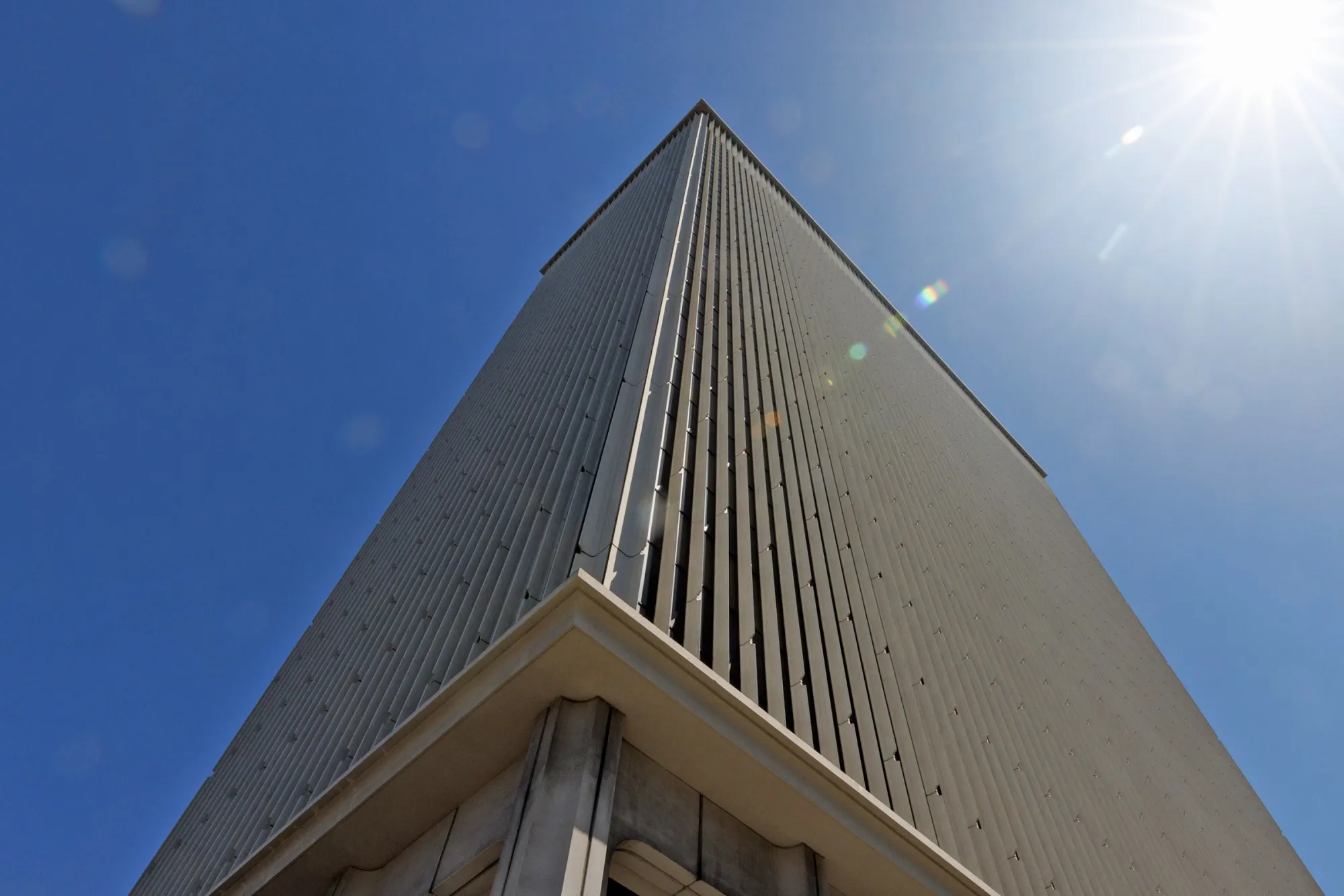
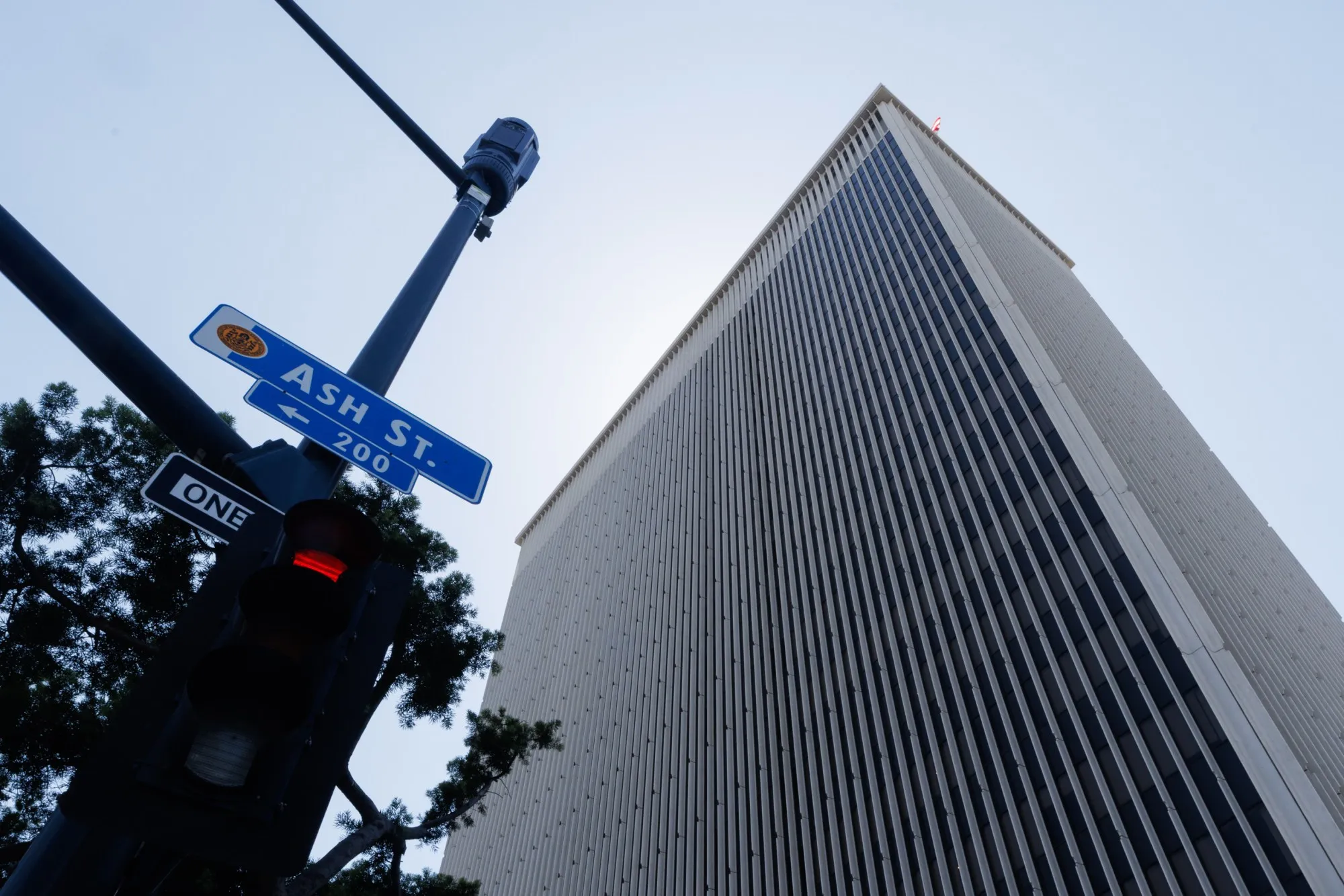
Opened in 1968, the 21-story office tower at 101 Ash St. takes up a full city block in downtown San Diego and was the longtime home of Sempra Energy until 2015. After a 2017 lease-to-own deal went awry, San Diego bought the building, which had become plagued by asbestos contamination. The city paid $86 million in 2022 to acquire the Ash Street property as part of a controversial settlement agreement. The following year, the city offered the vacant tower for sale or lease alongside its other Civic Center real estate assets, but the solicitation process did not yield a deal.
The MRK-Create team and two other interested parties then submitted unsolicited bids for the distressed property. In July 2025, the city approved a 60-year lease and redevelopment agreement with the 101 Ash Venture LP entity.
The developer has since lined up $209.1 million in funding commitments — primarily federal subsidies — from eight different sources. The largest source is a $73-million construction loan, insured by the U.S. Department of Housing and Urban Development. The Ash Street developer is also receiving $70.8 million in tax credit equity financing and $24.5 million in historic tax credit equity, according to deal information analyzed in a report by city consultant Keyser Marston Associates Inc.
The city has said that the contract changes are linked, in part, to requirements from project lenders.
A handful of public speakers questioned the lack of a building condition report and reiterated concerns about Moden’s involvement.
“(Moden) has an illegal interest in the project because she is the head of the city planning (commission),” said Michael Aguirre, an attorney who has sued the city over its past dealings with the building. “Just do one thing: ask if there is a building condition report that guarantees that this building will stay alive until 2091. That was a mistake the auditor cited in the first instance. You’re making the same mistake now.”
Council members, however, had no qualms with the proposed contract amendment.
“I do believe the project continues to be a unique opportunity when it comes to adaptive reuse, especially as we’re looking to turn this into more affordable housing while also offering childcare opportunities,” Councilmember Kent Lee said. “We all know the history, and this is an opportunity for us to move past that.”
Councilmember Raul Campillo said, and had staff confirm, that the conversion project will strengthen the building and extend its life. And Councilmember Joe LaCava defended the project, including its price tag. The developer is spending more than $1 million per unit, a cost that was previously described by a real estate finance expert as, “an insane amount of money.”
“This is what it takes to provide 100% affordable building. It is not cheap. It’s an absurd process that we make developers go through. But it’s the only process that we have,” LaCava said. “This is going to be a great addition to the downtown neighborhood.”
The council members voted 8-0 to approve the amended contract. Councilmember Marni von Wilpert was absent.
Read more Where mail voting stands for midterm elections after Supreme Court decision