









Five years ago, the San Diego County Board of Supervisors first called for new affordable housing mandates that are common in California’s other major communities and supported by housing advocates.
Read more Oil tankers navigate the Strait of Hormuz despite threats from Iran’s Revolutionary Guard
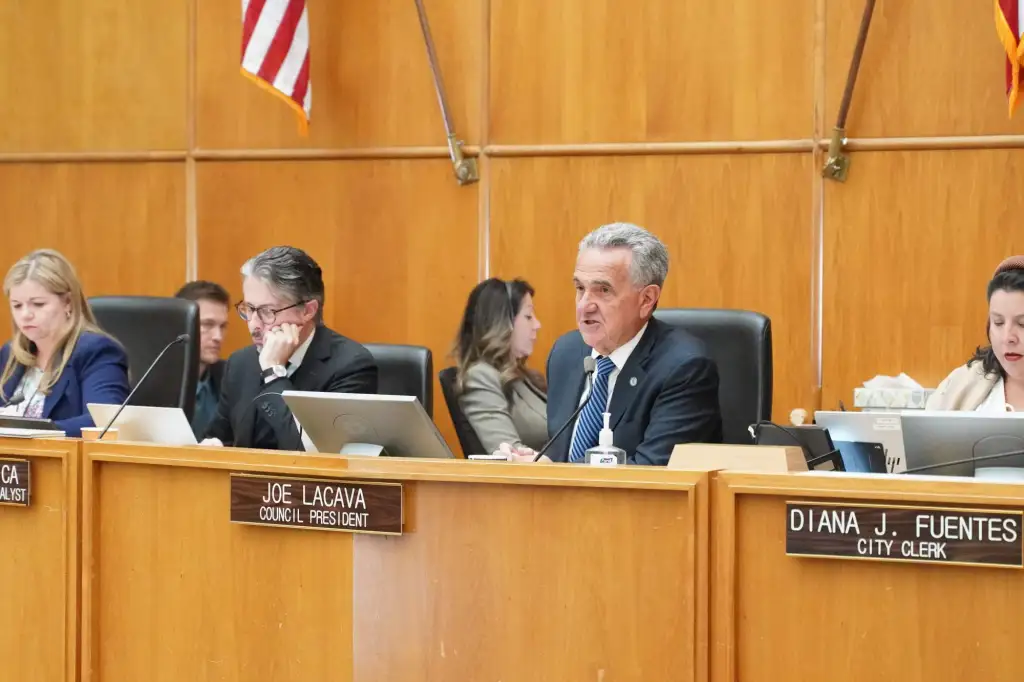
After years of delay and study, the new requirements are only now becoming a reality, after passing on a 4-1 Board of Supervisors vote at a Wednesday meeting. Supervisor Joel Anderson voted against them.
Housing developments in the county’s unincorporated communities now have to include a certain percentage of units for people with low incomes, rules known as an “inclusionary housing policy.”
About two-thirds of county residents already live in jurisdictions that have similar mandates for new housing projects, many of them for years, according to a county-commissioned economic analysis of the proposal.
The city of San Diego, for example, first adopted its policy in 2003 and made it stricter in 2019.
Chula Vista has had mandates since 2015, and Carlsbad since 2000.
But similar rules at the county have been slow going since supervisors first directed staff to draft them.
That’s been in part due to the complexity of the new rules and supervisors wanting more time to study other housing reports and regulations.
Supervisors acknowledged the delay before passing the new rules Wednesday.
“I’m not proud that we don’t have an inclusionary housing ordinance yet,” Democratic Supervisor Monica Montgomery Steppe said prior to Wednesday’s vote. “It’s certainly a tool to reduce housing discrimination socially and economically.”
At Wednesday’s meeting, housing advocates chastised the county for how long it has taken to implement the new rules.
“Delaying action on inclusionary housing has harmed very-low income households, many of whom are the backbone of our economy,” said Mohamed Omar of the Partnership for the Advancement of New Americans, a refugee advocacy group.
Under criteria chosen by supervisors, the new rules apply to housing projects with at least 10 units in the county’s unincorporated areas.
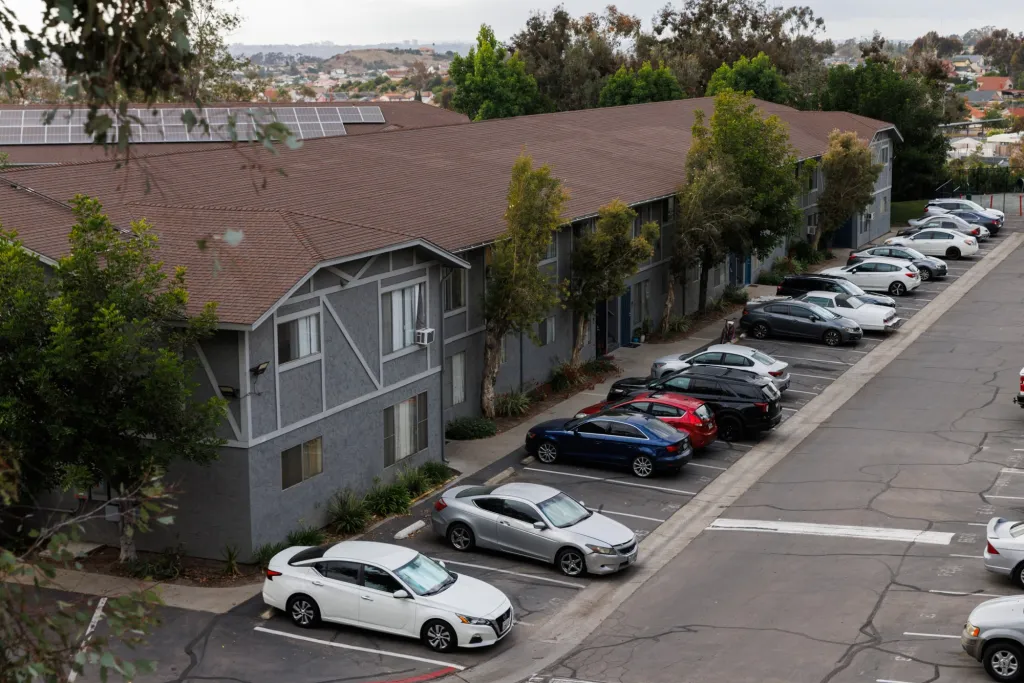
The county controls zoning and land use in these areas, which includes communities such as Buena Creek, Spring Valley, Lakeside and Valley Center.
Projects with for-sale and rental units will have to set aside 5% of them for people who make 50% or less of the area median income, about $88,000 for a family of four.
But the new rules give developers multiple alternatives to comply.
Instead of building affordable units, developers can pay a fee or donate land to the county, among other options.
New development rules come as the county has already met state-mandated housing goals for most income levels.
Read more Trump-endorsed de la Espriella declared winner of Colombia’s presidential runoff election
This decade, the county has permitted about 6,600 units affordable for people with low, moderate and above-moderate incomes.
But for those at the lowest end of the economic ladder, there has not been as much progress.
To meet state housing targets for people who make less than 50% of the area median income, the county has to permit about 1,800 units between 2021 and 2029.
So far, it has issued about 500 permits, 28% of its goal.
County planning officials estimate that the new inclusionary zoning rules will generate dozens of income-restricted units in the county every year.
But they acknowledge it is no silver-bullet solution.
“While the ordinance alone will not close the county’s very-low income housing gap, it is one of several tools available to support housing production,” Rami Talleh, the county’s deputy director of planning and development, told supervisors on Wednesday.
Still, the county has made substantial investments in affordable housing through other means. Since 2017, the county has invested $334 million in affordable housing projects directly, bringing online more than 3,000 units, with thousands more under construction and being planned.
But many of those projects are in cities.
For the county’s far-flung unincorporated areas, bringing new housing online poses unique challenges.
Most of the area is at very high risk of wildfire. It also lacks the kind of reliable public transit where government planners have sought to concentrate new housing production.
Nicole Lillie, executive director of youth housing advocacy group Our Time to Act, argues the unincorporated areas in particular could benefit from inclusionary housing since they have scarce housing supply and limited production.
“To make up for missed opportunities, we need policy requirements that maximize the number of units affordable to low-income San Diegans,” Lillie told supervisors.
Homebuilding in the unincorporated area has slowed relative to the rest of the county, California and the western United States, county data show.
But that hasn’t stopped the county from meeting state housing goals, thanks in part to a proliferation of accessory dwelling units, or ADUs, in the unincorporated area.
Last year, the county permitted 932 housing units, and of those, 403 were ADUs, 43%,
Read more New Mexico governor calls for criminal probe of DEA allowing fentanyl shipments to hit streets