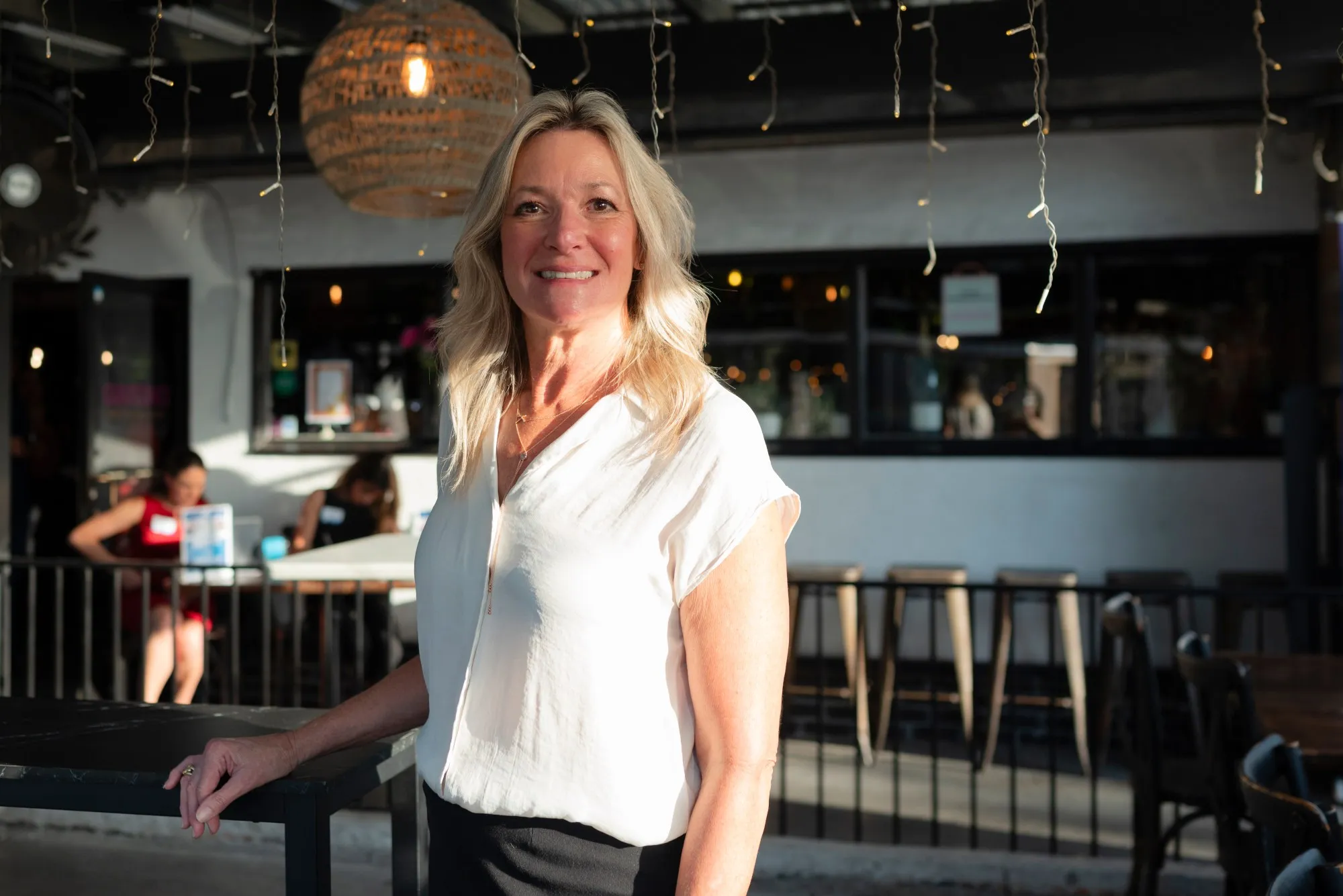






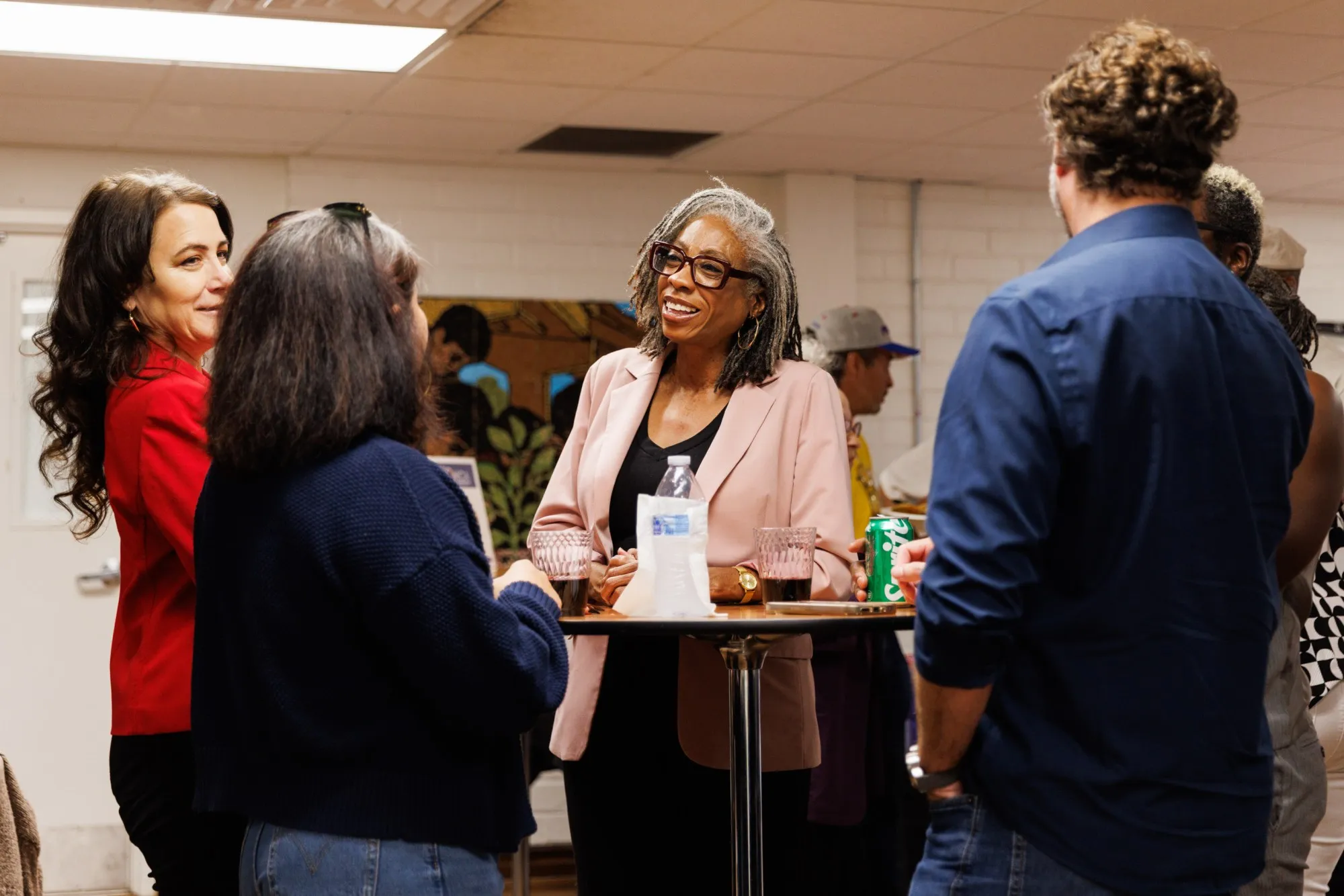
Monica Montgomery Steppe, 48, a Democrat, is the incumbent San Diego County supervisor in District 4, and she is running for re-election.
Read more Q&A: Meet Steve Cohen, candidate for California’s 50th Congressional District
A resident of the Skyline neighborhood of San Diego, she previously served on the San Diego City Council.
The San Diego Union-Tribune emailed a series of questions to Montgomery Steppe and other candidates to help inform voters about their positions, priorities and plans if elected.
Montgomery Steppe said she did not use artificial intelligence to assist in responding to the questionnaire.
The below reflects responses Montgomery Steppe provided upon request in April. However, this race did not appear on the primary ballot.
In my first term as supervisor, I have worked with partners across the region to increase economic opportunity for all, champion clean and healthy communities, advance housing and homelessness solutions and build a holistic public safety environment for our neighborhoods.
I have fought for these priorities by:
- increasing small businesses funding
- increasing living wage standards for county workers
- protecting healthcare, food assistance, and essential services from federal cuts
- expanding behavioral health treatment and addiction services
- leading recovery efforts after the floods while holding price gougers accountable and protecting families from displacement
- directing over $200 million in affordable housing development
- expanding shelter capacity with wrap-around services
- providing rental assistance for seniors
- advancing tenant protections and rental transparency to keep us housed
- helping make MTS one of the safest transit systems in the nation
- expanding civilian oversight of the Sheriff’s Office and jails
- strengthening juvenile justice
- investing in prevention-focused public safety strategies
Economic instability — Cost of living has been too high for decades. Recently the economy has been heavily impacted by the Trump administration’s federal chaos. People are struggling to survive, let alone thrive. We must reduce costs where we can and increase investments in local businesses, working families and livable wages.
Housing supply and affordability — Nearly 40% of households are cost-burdened. One medical emergency pushes a family into homelessness. Seniors, LGBTQ+ youth and Black San Diegans are all disproportionately impacted. Housing remains a top priority for the district and the county as a whole.
Access and scale of public/behavioral health services — There are many public and behavioral health crises impacting our communities. Addiction to opioids, increase in youth suicides, loss of Medi-Cal access and Black maternal health are just a few examples.The county must step up to scale our reach and help as many San Diegans as possible.
We have done a lot of work in our first term, but we aren’t finished yet. Good ideas are only the tip of the iceberg. Good governance is all about execution of those ideas in an efficient, economic and transparent manner. So my second term will be focused on finishing what we’ve started and delivering results.
My office will continue to oversee and execute on the expansion of community services through the Safety Net Bridge Program, improving access to food and healthcare for residents during times of uncertainty. We will also advance government accountability through the Office of the Inspector General, with a focus on addressing in-custody deaths. Additionally, I will continue to oversee the scaling of county behavioral health services through the creation and execution of a standalone Behavioral Health Department, increasing both the efficiency and capacity of mental health and substance use care.
I have secured millions of dollars in funding for outreach programs, championed tenant protections to curb evictions and expanded shelter access and wrap-around services through both traditional and innovative approaches. This includes my work advancing the Troy Street Sleeping Cabins project that will serve up to 60 individuals nightly. I will continue advocating for resources to support clearing the San Diego Riverbed, a significant hotspot within the district.
However, these efforts must be paired with long-term solutions. The only true way out of the homelessness crisis is to build more homes that San Diegans can afford. While we celebrated several grand openings of hundreds of affordable units in District 4 neighborhoods like Linda Vista, City Heights and Clairemont, I will continue advocating for funding that expands those opportunities before residents experience homelessness.
Read more California’s Proposition 40 wealth tax faces double threat from competing measures 41 and 42
I have an “all hands on deck” approach to housing. I believe smart development that balances housing needs, community character and climate goals is not only possible but necessary.
The county is currently working to update our zoning ordinance and seeking community feedback on how to balance these goals. We are also reviewing an inclusionary housing ordinance to ensure that developers are required to build affordable homes, and we are exploring ways to ensure that neighborhood amenities like sidewalks and sewer upgrades are included in projects.
Tiny homes, ADUs (both as rentals and opportunities for first-time home buyers) and mixed-use buildings are also included in the solution — along with developments specifically for seniors, veterans and youth.
I stand with our immigrant neighbors against the Trump and ICE terrorism that is ripping their families, businesses and communities apart. San Diego’s proximity to the border has long made our communities a target ground for harmful policies and tactics. Many of these tactics were first refined here before expanding into the national tragedies unfolding before our eyes.
San Diego is both a border region and a region for refugee resettlement. This means that the vibrant neighborhoods, foods, small businesses, arts and culture that we love about our home has been brought from across the world and married into something unique to the San Diego experience. As such, we should welcome immigrants and refugees with open arms and be grateful for their additions to our lively county culture.
San Diego has one of the highest costs of living in the nation, and we should not wear that label as a badge of honor. I am working to lower the cost of living by eliminating rental “junk fees” through a countywide ordinance, reducing health care costs and expanding access to free, healthy food for our residents.
In response to federal cuts, my office championed the Safety Net Bridge Program to explore how the county can protect residents who are at risk of losing benefits that cover healthcare and food. This program establishes a network of community-based organizations and county resources to help residents maintain access as the requirements, timelines, and paperwork keeps shifting. It will bring basic primary-care services, such as health screenings and prescription medication, and access to fresh food to communities most impacted by changes to both CalFresh and Medi-Cal eligibility.
The county’s public health services must support the tracking, prevention and response to the spread of infectious diseases. This is especially important as the Trump administration refuses to acknowledge or fund public health threats, including animal and insect borne illnesses.
The county’s behavioral health services is an outdated model created 30 years ago. It does not reflect the intersectionality of behavioral health with public safety, economics, housing or education. The county must prioritize a standalone Behavioral Health Department focused solely on strengthening resources like counseling, treatment, inpatient and other services necessary to support mental health and addiction.
We are taking action on climate at the county by tracking emissions to execute the climate action plan, reducing housing development in fire-prone back country areas, working to responsibility develop in existing unincorporated neighborhoods, funding community climate justice programs and the planting of thousands of trees to capture carbon and reduce heat levels in impacted communities and working to ensure that neighborhoods disproportionately impacted by pollution and climate change are getting equitable resources to address the challenges they face.
I do not take stances on hypothetical policies or on proposals before I have been able to read them in full and consider all possible impacts of the passage or failure of said policy. That said, given the costs of maintaining our services in light of Trump’s irresponsible and cruel federal cuts, the county does need to consider ways to increase revenue. I have not yet solved the balance of increasing revenue without squeezing the working class or deterring business investment in the region. As such, I am still interested in bringing forward tax measures that are not regressive.
Read more Q&A: Meet Peggy Duncan, candidate for Coronado Unified School District trustee