






A surge in gas prices pushed San Diego County’s inflation rate to its highest rate in nearly three years in September, which was second-highest rate in the nation.
Read more Man who died in apparent suicide at Otay Mesa jail identified
The region’s inflation rate was 4.7% in September, said the U.S. Bureau of Labor Statistics on Wednesday. That was up from 2.7% in July (data comes out every two months). Local inflation numbers haven’t been this high since the post-pandemic days in November 2023.
San Diego was not alone with increased prices, with most of the U.S. seeing substantial rises, and the average national rate of 3.7%. However, San Diego metro, which includes of all of the county, had the second-highest rate behind urban Hawaii at 5.2%.
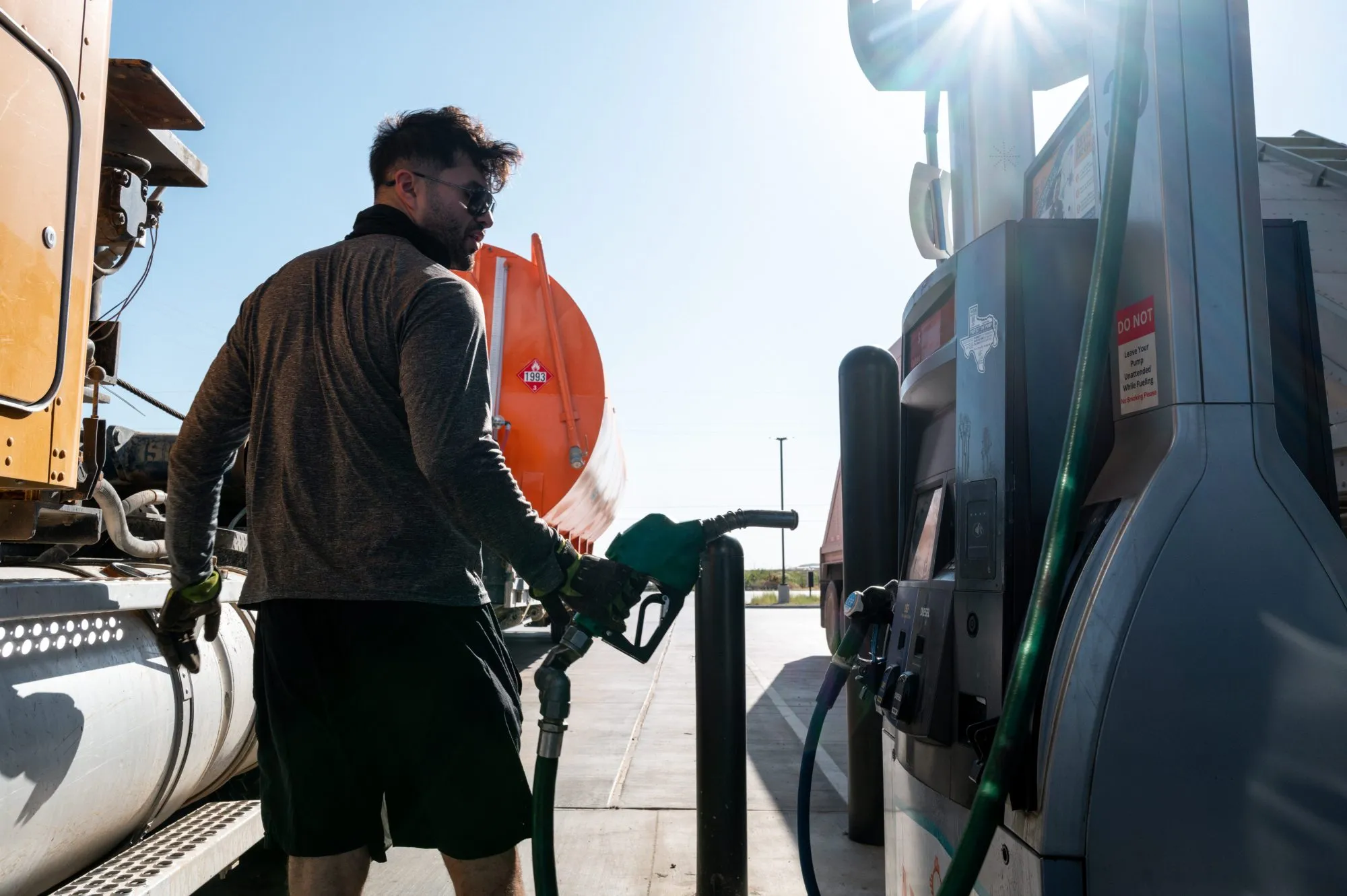
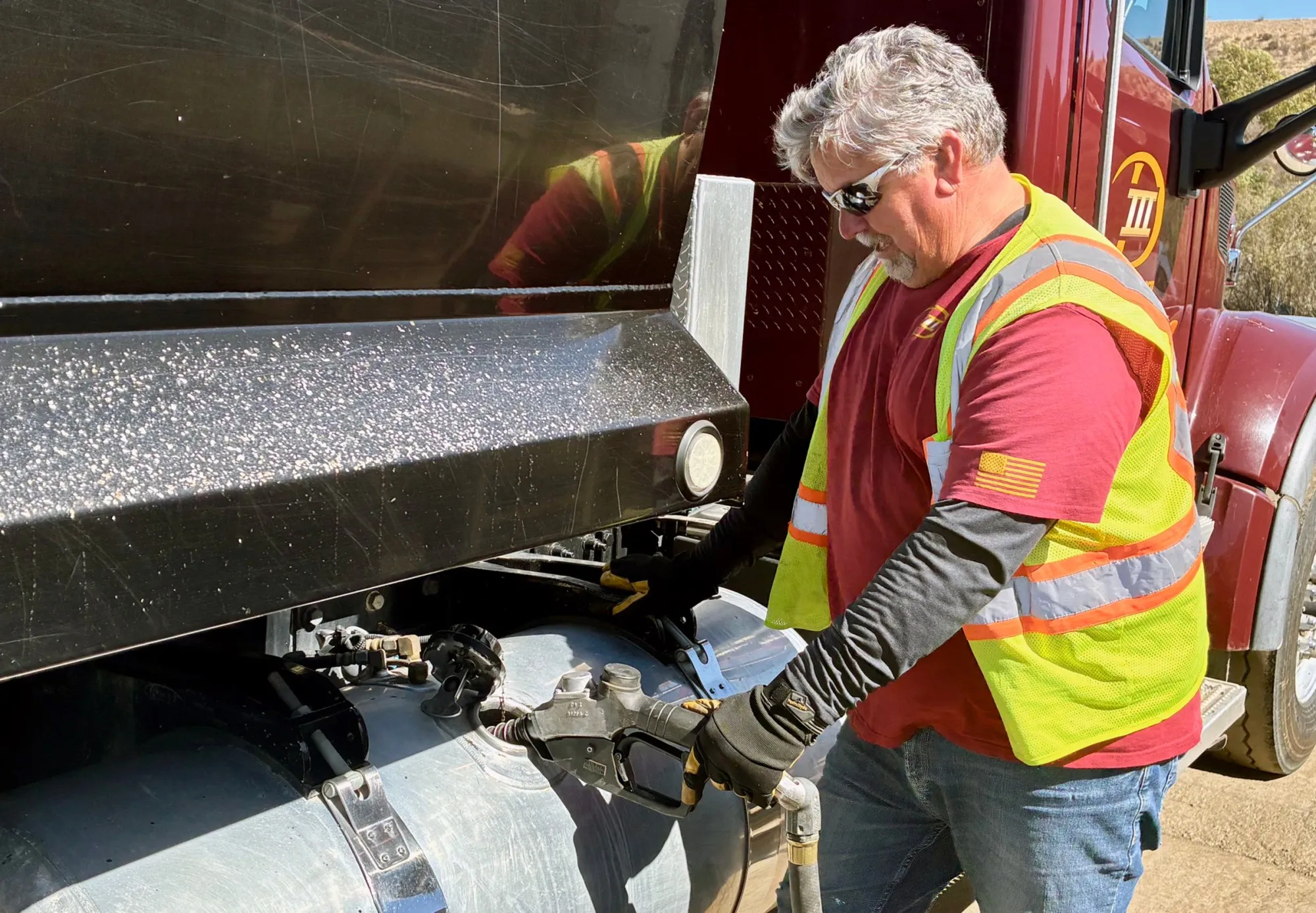
Prices were up across nearly every category in San Diego County, from food to transportation, but the biggest was a 30.6% annual rise in motor fuel. The price of oil has been elevated since the start of the Iran conflict, which has limited exports out of the Middle East. Prices rose significantly at the end of the summer as Iran and rebel groups it backs attacked critical oil pipelines, threatened or blocked shipping lanes and attacked oil tankers.
California has its own reasons for rising gas prices: a lack of refineries and a more expensive summer-blend gasoline. Yet the 30.6% increase is one of the largest annual rises in San Diego’s history. Other flashpoints were in 1980 when motor fuel was up 38.4% in a year, following the Iran Revolution and its subsequent war with Iraq; and 2022 when oil was up 32.3% annually because of high demand as many COVID-19 restrictions were lifted.
Alan Gin, an economist at the University of San Diego, said higher fuel costs — especially for diesel — mean increased costs to ship everything from food to clothing, which translates to elevated prices for consumers.
He said there are also tariff pressures, which can increase the costs of goods. Some current tariffs include a 50% tariff on Canada for some goods, like dairy products; Up to 25% tariffs on many technology-related items on China; and 25% tariffs on Brazil footwear, machinery, ethanol and sugar.
Read more San Diego police seize drugs that were allegedly going to be sent via U.S. mail
“Diesel is up (72%) nationally and that translates into higher shipping costs, which contributes to the price of items going up,” Gin said. “And then you add to that the tariff situation. Some tariffs have been struck down, but President (Trump) keeps imposing more.”
The Bureau of Labor Statistics said San Diego County inflation rose 2% from July to September, which was its biggest two-month rise since March 2022. At that time, a rise in housing prices was the main factor. Gin said higher fuel costs mean less money for San Diegans to spend on other items, which can hurt the overall economy.
He said restaurants are likely to struggle significantly because people often consider eating out as a luxury. At the same time, eating out in San Diego has become more expensive, so it could be even less appealing to cash-strapped locals. Food away from home was up 2.9% annually in September, which is the bureau’s catch-all category for sit-down restaurants, fast food joints and vending machines.
On an annual basis, here are the areas where prices changed in San Diego County:
- Motor fuel: The price for unleaded regular was up 30%; unleaded midgrade was up 28.7%; and unleaded premium was up 28%.
- Food: Cereals and bakery products were down 2.6%; dairy, up 5.2%; fruits and vegetables, up 7.1%; and meats, poultry, fish and eggs were up 1.5%.
- Energy, including household energy and motor fuel, was up 23.3%.
- Shelter, including rent and owners’ equivalent of rent, was up 2.5%.
- Transportation costs, which include automobile maintenance, vehicle parts and car insurance, rose 7%. Used car and truck prices were down 2.2%.
- Apparel, up 3.6%.
- Medical care, which includes hospital and related services, drugs and medical equipment and supplies, was up 3.2%.
When volatile food and energy costs are removed from the overall inflation rate, so-called core inflation in San Diego County was 3.8%, higher than the nationwide average of 2.6%.
Nationally, inflation was highest in the Northeast and Midwest, both at 4.2%. It was followed by the South and West, both up 3.4%.
Urban Hawaii: 5.2%San Diego-Carlsbad: 4.7%New York-Newark-Jersey City, NY-NJ-PA: 4.5%Washington-Arlington-Alexandria, DC-VA-MD-WV: 4.1%Denver-Aurora-Lakewood, CO: 4%Boston-Cambridge-Newton, MA-NH: 3.8%Los Angeles-Long Beach-Anaheim: 3.7%Minneapolis-St.Paul-Bloomington, MN-WI: 3.6%Riverside-San Bernardino-Ontario: 3.6%Dallas-Fort Worth-Arlington, TX: 3%Chicago-Naperville-Elgin, IL-IN-WI: 2.9%Tampa-St. Petersburg-Clearwater, FL: 1.9%
Read more Condos recommended for former ranch property near Oceanside’s mission
Source: U.S. Bureau of Labor Statistics’ Consumer Price Index