







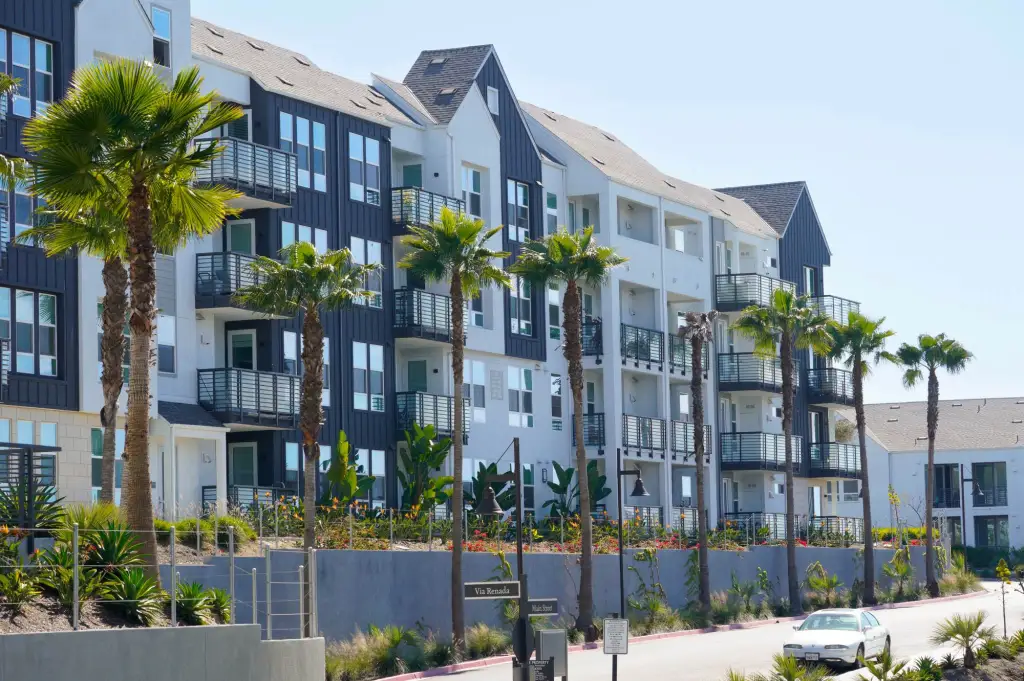
For years, California’s state government and the city of San Diego have sought to encourage more affordable housing by pulling familiar levers: streamlining permits, easing zoning restrictions and offering density bonuses.
Read more Rescue teams in Venezuela cling to hope as US rebuffs criticisms of government earthquake response
Yet a shortage of homes lower-income residents can afford is still called a crisis, and the market remains daunting for middle-income prospective homebuyers.
A key problem has been hurdles largely beyond government control, including the high cost of land, labor, materials and financing. Further, thousands of currently affordable homes are at risk of being torn down or turned into market-rate units.
Now, action has been taken to try to offset all that with government funding and other measures.
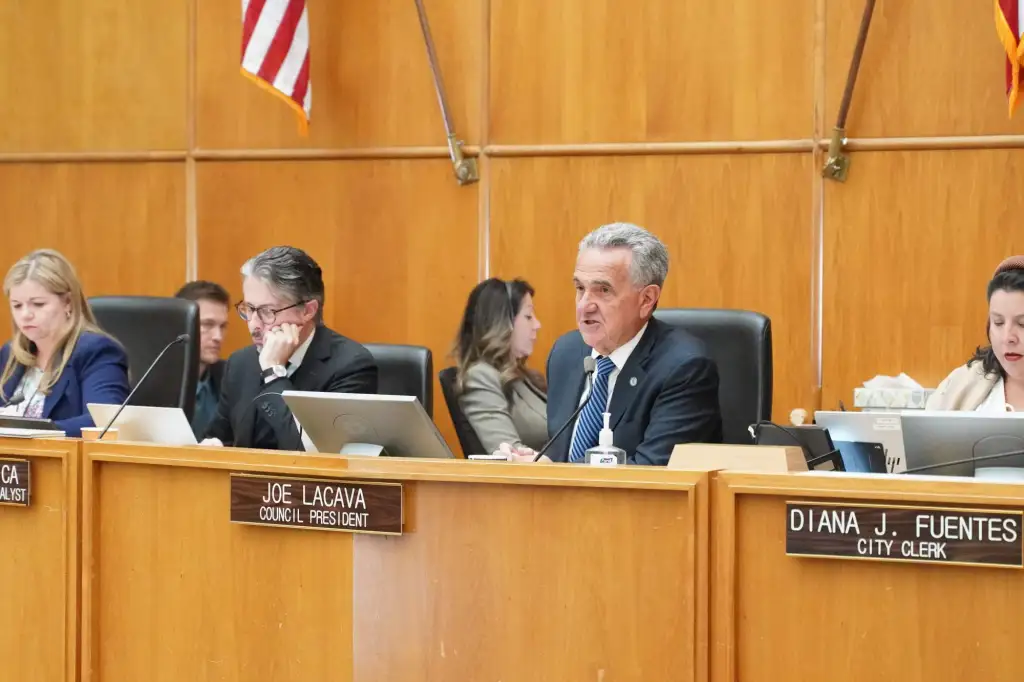
The San Diego City Council this week voted to create a fund aimed at buying existing affordable rental units.
Last week, Gov. Gavin Newsom and the Democratic-controlled Legislature agreed to place an $11.25 billion bond on the November ballot, with almost all the money going to subsidize construction of homes targeted for lower-income people.
Meanwhile, an initiative for a statewide $25 billion revenue bond had already qualified for the ballot that would create a loan program to help middle-class families with down payments on home purchases.
The construction measure would funnel $10 billion toward building affordable homes and put $1.25 billion toward the CalVet Home Loan Program, which helps veterans and military families buy homes.
The affordable housing bond would be paid off over decades, with interest, by taxpayers through the state general fund. The veterans lending would be paid back by mortgage payments from borrowers. The down payment loans also would be repaid through homeowner mortgages, not the state.
“The reality is, without public investment, affordable housing does not get built,” said Assemblymember Anamarie Ávila Farias, D-Concord.
While not backing off the regulatory approach to housing, Assemblymember Chris Ward, D-San Diego, suggested that was not enough.
“We have spent the last several years cutting red tape and making it easier to build housing. Now we must match those reforms with the resources needed to actually get homes built,” Ward said.
“Every dollar invested through this bond is expected to leverage four more from federal, local, and private sources — stretching taxpayer investments while addressing one of our state’s greatest challenges.”
The loosening of zoning codes and other efforts to increase housing density in virtually every neighborhood have not been without controversy. Critics have said that, so far, those efforts have done little to make housing more affordable while benefiting developers and making communities more congested.
The housing bond also has its critics. Republicans in the Legislature said the state should seek to reduce construction costs and further knock down development restrictions instead of creating new debt.
Read more Fire shelters are a key defense for firefighters. But they don’t guarantee survival
During the floor debate, Assemblymember Carl DeMaio, R-San Diego, ridiculed what he said were subsidized “million-dollar-per-unit condos in so-called affordable housing projects.”
DeMaio and other Republicans questioned the motivation of Democrats to include the veterans component in the bond.
“We’re using veterans as window dressing to sell bad policies,” DeMaio said.
The goal of the city of San Diego’s planned Affordable Housing Preservation Fund is similar to other programs widely considered to be among the most efficient at combating homelessness — providing rent subsidies to keep people in their homes. Experts say that’s not only a humane thing to do, but more cost-effective than assisting people after they become homeless and helping put them into housing.
The new fund is starting off with $8.5 million and will be administered by the San Diego Housing Commission.
In 2020, the commission released a that concluded more than 13,000 existing affordable housing units in the city could lose their affordability by 2040. About 4,200 of them were deed-restricted units where affordability restrictions may expire. More than 9,250 were “naturally occurring” affordable housing — which are not dependent on government subsidies or deed restrictions.
The report, “Preserving Affordable Housing in the City of San Diego,” estimated that more than a third of new housing production would replace units that lost their affordability. According to the city, affordable housing refers to housing that costs no more than 30 percent of a household’s gross income, including utilities.
The county Board of Supervisors became part of the affordable housing trend last week, though with a different kind of policy. After years of delay, the county will now require certain housing developments in unincorporated communities to include a certain percentage of units for low-income residents.
Other jurisdictions have had such “inclusionary housing” policies for years, such as Carlsbad, Chula Vista and the city of San Diego. Such policies can result in higher costs for other units in the development because they essentially subsidize the deed-restricted ones, though often density bonuses are offered to try to make the projects more attractive to developers.
Even Congress put aside its debilitating partisan warfare to join the affordable housing parade with a measure aimed at streamlining federal regulations and loosening development restrictions. While not focused on subsidies, the measure held the promise of helping boost housing construction in the long run.
Republicans and Democrats overwhelmingly approved the 21st Century ROAD to Housing Act. Politically, it was seen as a win for everyone, including President Donald Trump, who not only said he backed it but scheduled a big signing ceremony on Capitol Hill.
But the president’s unpredictability reached new heights when he again jarred the nation’s capital by abruptly canceling the event. He said he wouldn’t sign the measure unless Congress approved a disputed unrelated bill that would add restrictions to voting eligibility, which so far does not have the votes to pass.
House Speaker Mike Johnson nevertheless sent him the housing bill on Monday. That opens a 10-day window for Trump to sign or veto the bill — otherwise, it becomes law automatically.
At least for now, that leaves what advocates say is the most significant federal housing bill in decades in limbo.
Read more Couple charged with felonies for Empire State Building climb-turned-proposal