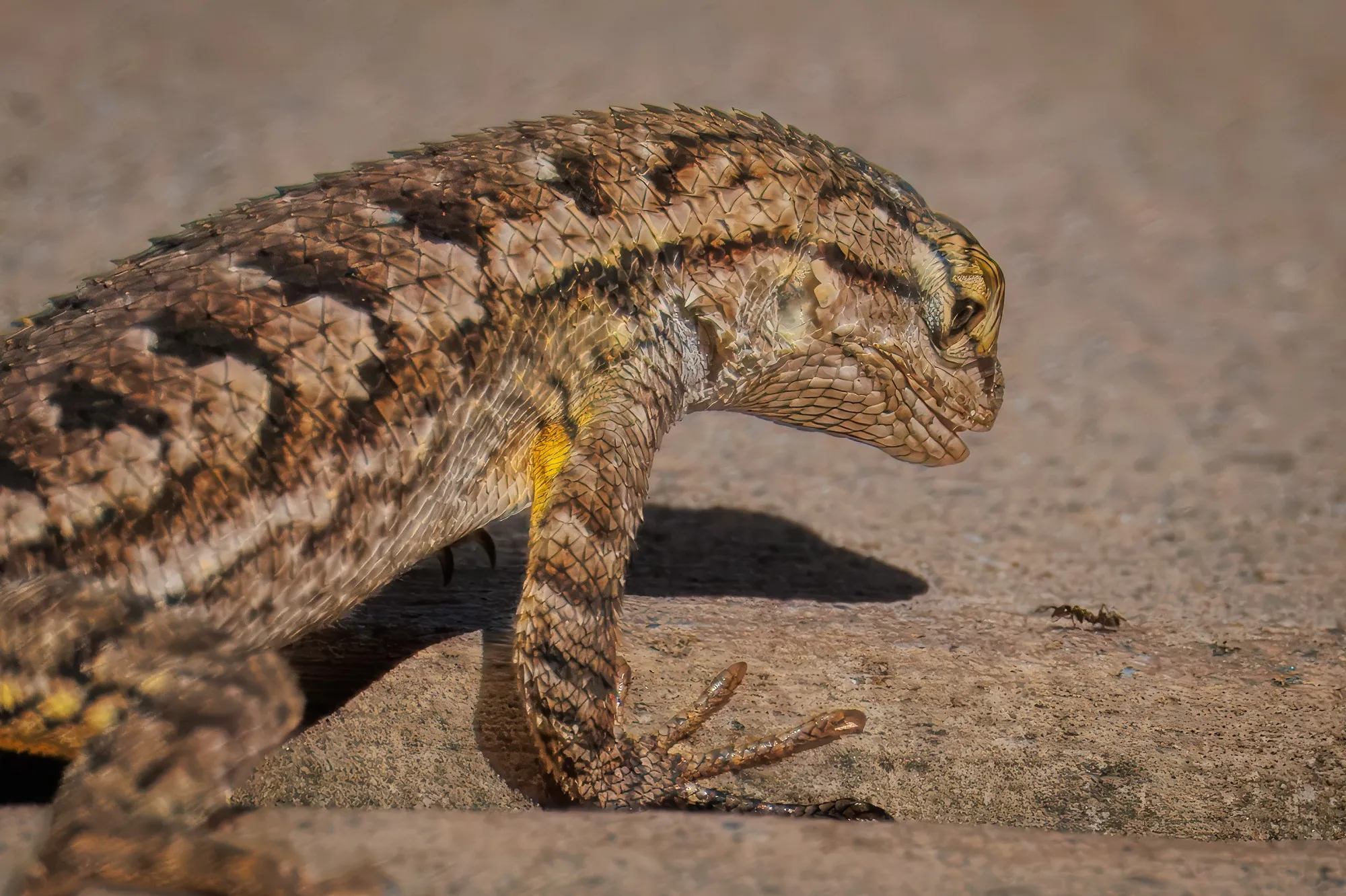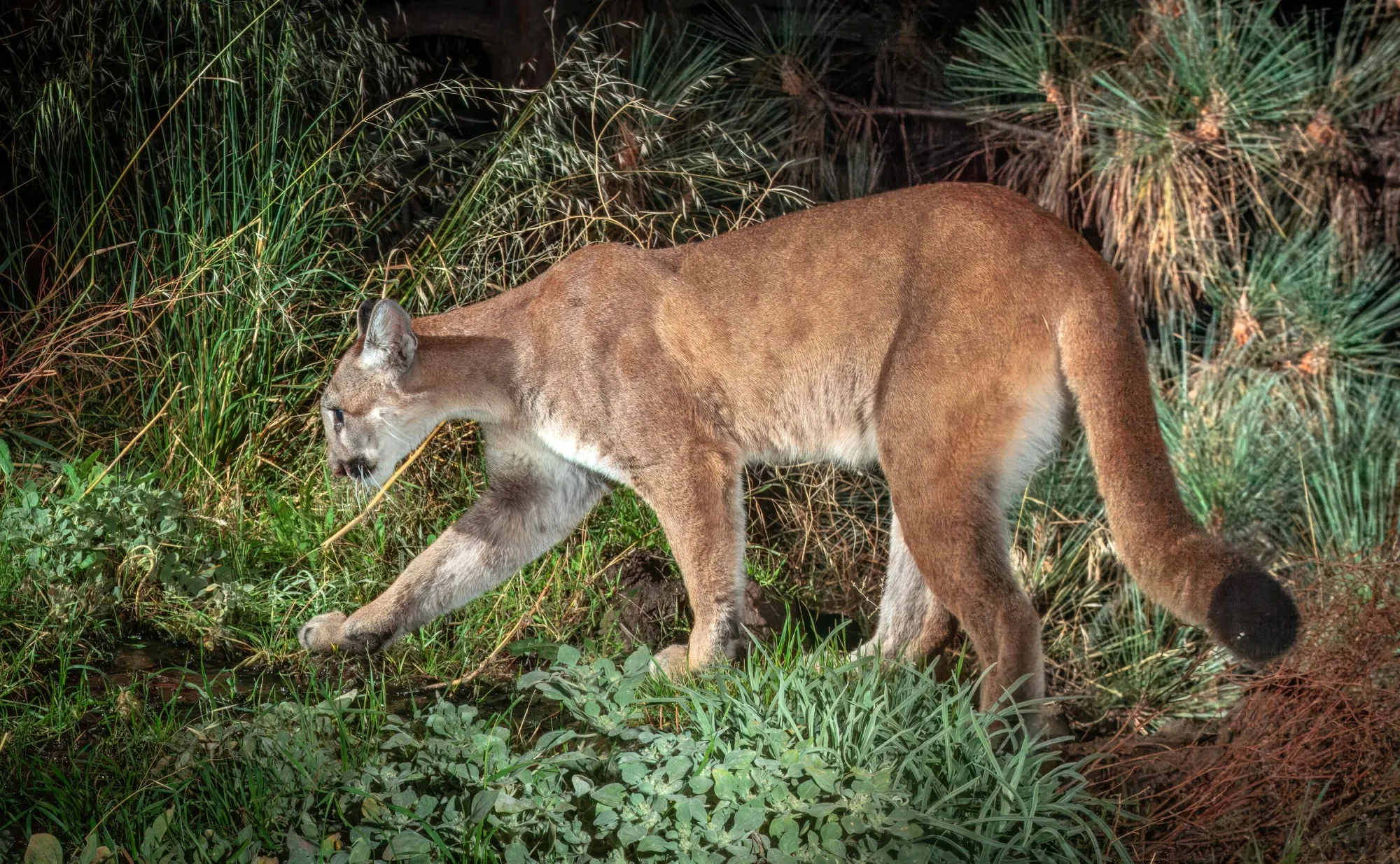







The wildlife visitors to Mt. Hoo come with all kinds of personalities.
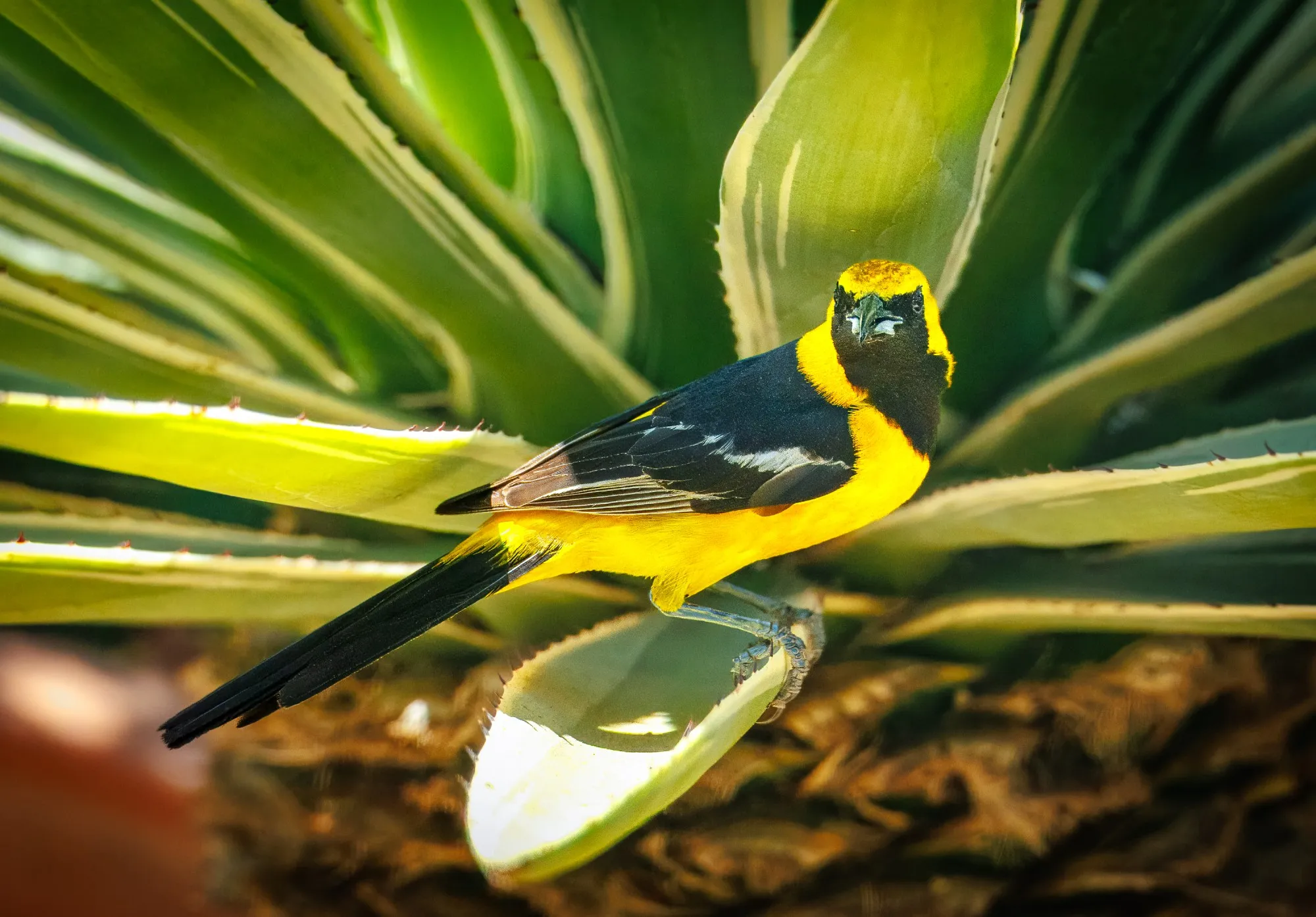
There are the bold and brash scrub jays, the wary and secretive coyotes, the noisy tree frogs, and the comical and colorful hooded orioles.
Read more San Diego aircraft carrier deploys to Middle East uncertain how long its mission will last
I have a roadrunner who follows me around, and a lovely pair of bushtits who tap on my bedroom window on spring mornings.
Toss in the slithering kingsnake who comes to drink at our pond on hot summer days, or the fastidious raccoons who wash their paws when passing by at night, and it’s quite a wildlife collection.
Some are migratory visitors, others are seasonal wanderers, and many are permanent residents who seem to have embraced the Mt. Hoo hospitality.
Some are just cute.
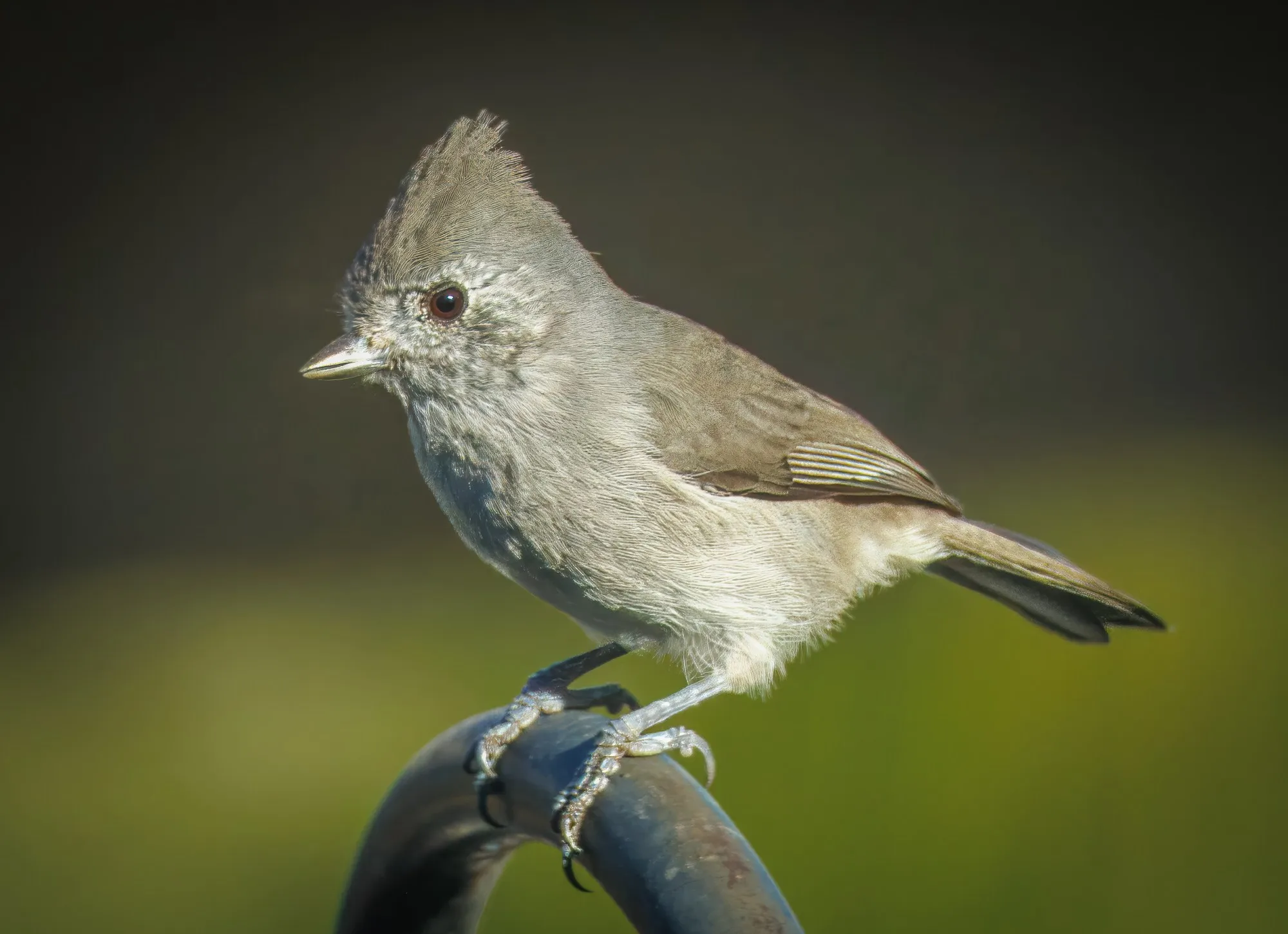
That thought popped into my head when an oak titmouse fluttered onto the birdseed basket just outside my office window last week. It had been a while since I had seen one here at Mt. Hoo.
The energetic oak titmouse is a small songbird with a somewhat drab gray-brown coloration, medium-long tail, and most notably a pointed crest it can raise when excited or alarmed, or lower when more relaxed. This is the easiest way to identify the titmouse, which is similar in coloration to the bushtit.
This is a resident bird in San Diego County, preferring its namesake oak woodlands habitat for most of the year while attending to the important tasks of nesting, egg laying and taking care of demanding hatchlings.
In fact, in many of California’s oak woodlands, this is one of the most common bird species, recognized by a chatter-like call described as a series of short, harsh notes.
The oak titmouse’s range is primarily throughout the state of California, slightly north into southern Oregon and south into Baja California.
They spend most of their lives in their established territory, but once the youngsters have fledged and set out to see the world, the adult oak titmouse has time to travel outside of its typical range.
This is when these energetic little birds with the distinctive top knots are more frequently seen bouncing around in the trees of suburban and urban neighborhoods or grabbing seeds from the seed cakes or trays hanging outside your home.
Their primary food sources are seeds, and they can also be seen plucking insects from the bark and leaves of trees.
Like my great-granddaughter, I just can’t resist how cute they are. They make me smile.
Breeding season for the titmouse is generally between March and July when adult birds establish a nest in natural tree cavities in oak or pine trees. Often, they use old woodpecker holes that serve nicely for the smaller titmouse.
Residents in titmouse territory can also provide a small nestbox mounted between 5 and 10 feet high with a floor area of about 4-by-4 inches and an entry hole with a diameter of 1.25 inches.
Read more Thousands flock to interfaith march in San Diego to proclaim dignity for immigrants
Once breeding is complete, usually later in the summer, several things happen.
First, fledglings that were encouraged to leave the nest are also encouraged to leave the parents’ territory and find mates in a new location.
Additionally, mature birds are no longer required to be near nesting locations and will expand their travels while foraging by joining other mixed flock groups that will frequently include chickadees, nuthatches, juncos, sparrows and kinglets.
This is when the expanded population and movement beyond normal territorial ranges make them more visible than when they are only paired up within their primary territorial range.
As we move into fall, I’m now seeing daily visits from my little crowned friend as it plucks seeds from the basket hanging just outside my office window.
It’s good to start the day with a smile.
Hummingbird feeders
My recent column about the departure of hooded orioles brought several notes from readers who have reported still seeing a few stragglers at their nectar feeders.
That’s not unusual, but most of the birds have already migrated south to Mexico for the winter and soon, all will be gone.
This is great news for hummingbirds, who are delighted now that they don’t have to share the nectar feeders with those loud, large and pushy orioles.
This is also a good time to scale down your offerings, since hummingbird populations will also decrease during winter months.
But they don’t vanish completely, so take this time to thoroughly clean the feeders and monitor use, reducing feeder numbers if they are not emptied within two to three days.
The sugar/water mixture left too long in the feeders will develop mold and bacteria that are harmful to the birds.
Typically, I cut the number of feeders in half during the winter and add fresh nectar if they have not been emptied in three days.
Readers also asked what feeder I use.
I have found the 32-ounce First Nature Oriole Feeders to be inexpensive, easy to clean and large enough, especially during peak summer months when both orioles and hummingbirds are feeding aggressively. The larger holes in the oriole feeder allow both species to use them.
Cowan is a freelance columnist. Email [email protected] or visit erniecowan.substack.com.
Read more Supreme Court vote shadows Maine Sen. Susan Collins in her first race after abortion rights decision