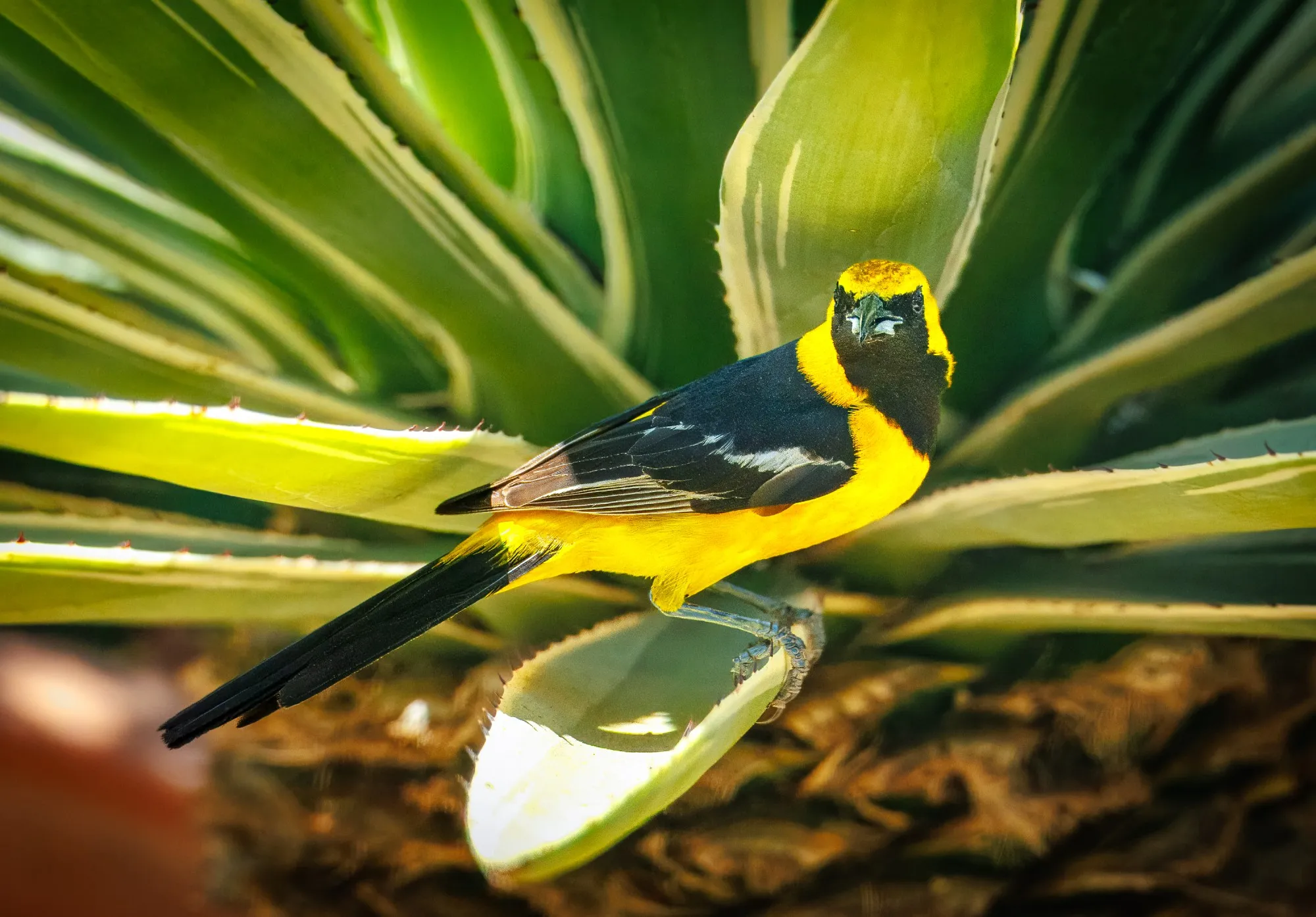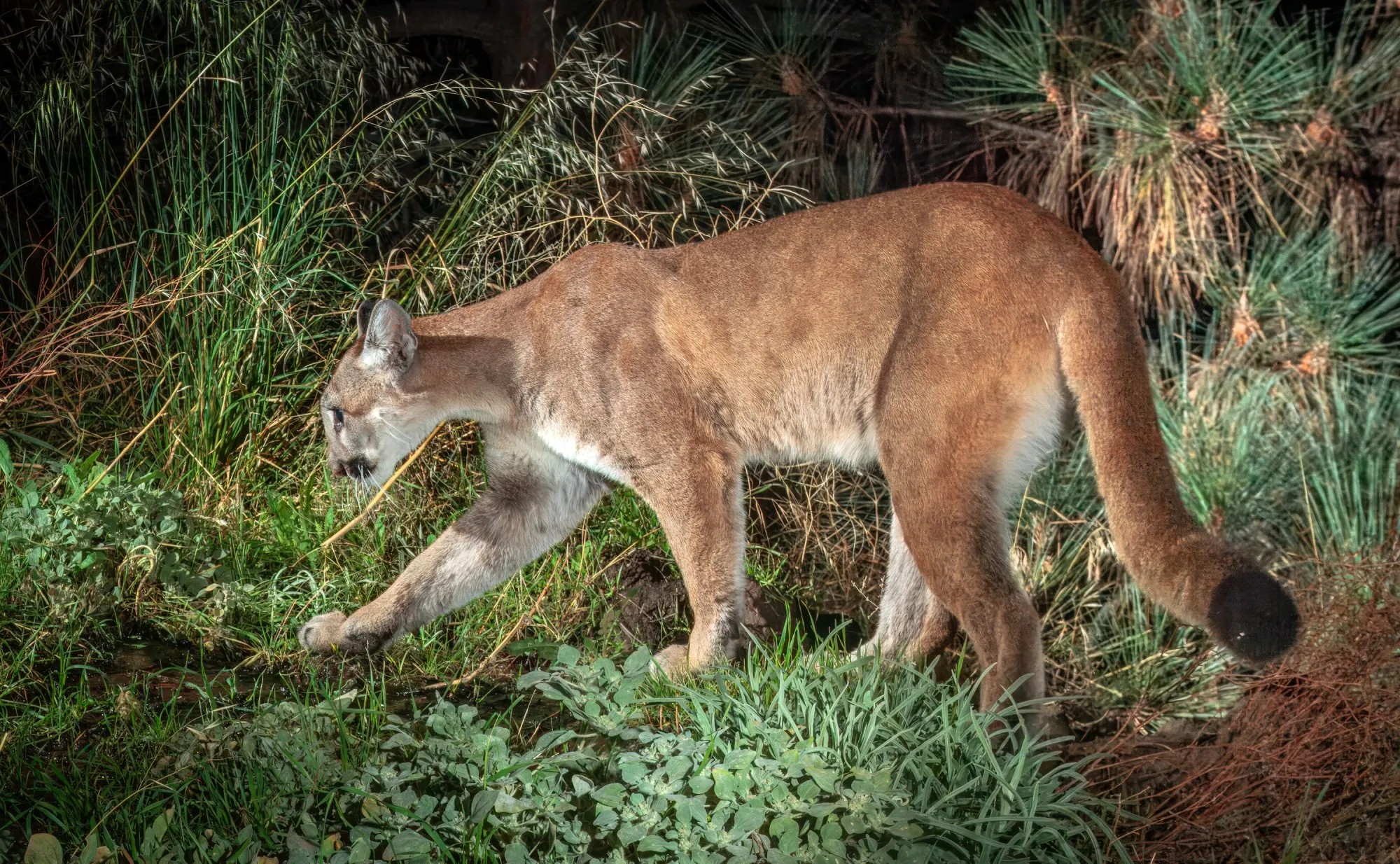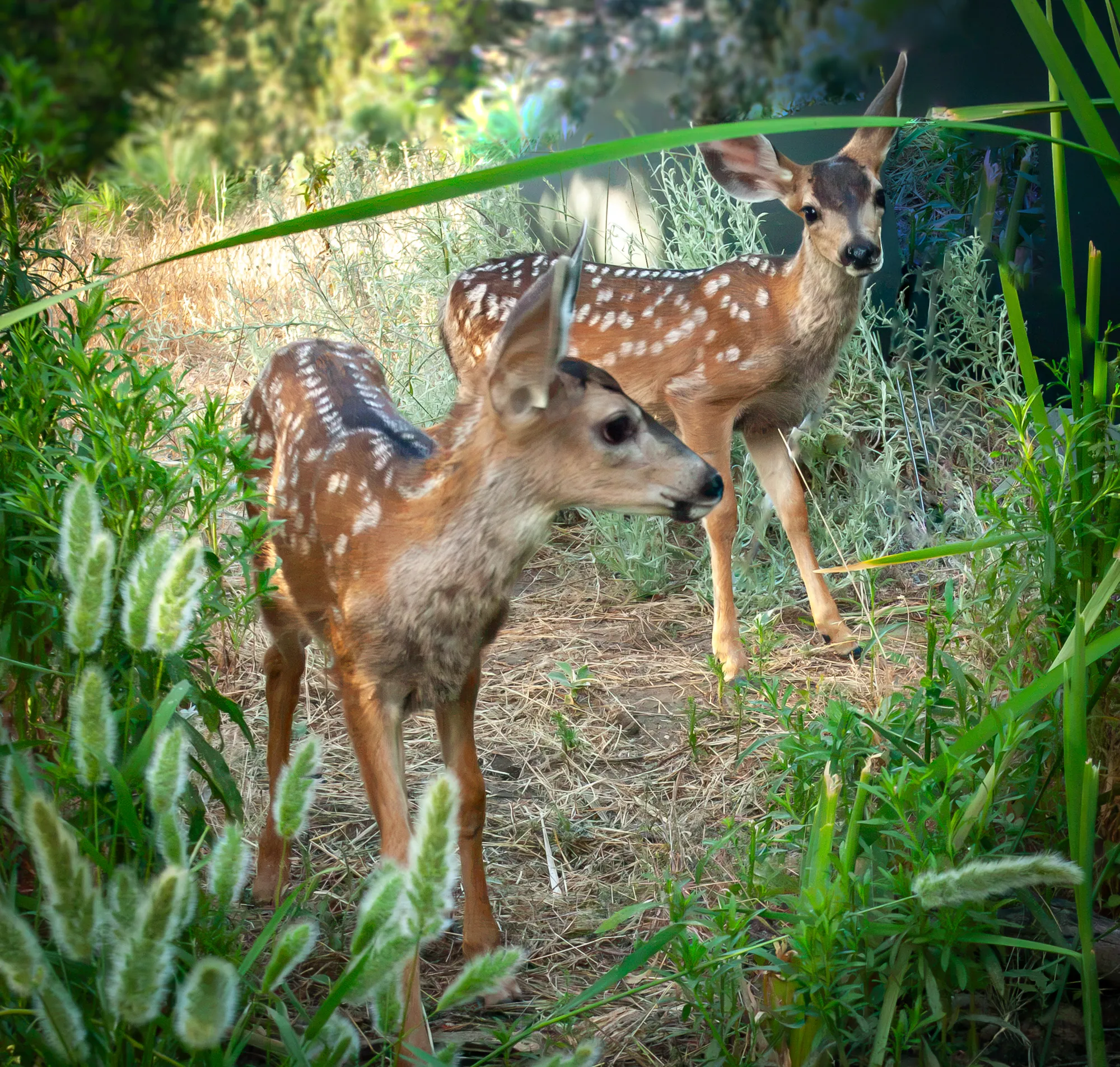







We have a new greeter here at our wildlife resort on Mt. Hoo.
When we built our home 20 years ago on a narrow chaparral-covered ridge, it was our goal to create a sanctuary for local critters, offering native food, water and shelter.
Read more The secret ballot has been an article of faith in U.S. elections. That’s being tested in Georgia
After all, we were moving into their neighborhood.
Our hope was to create a comfortable environment for the natives that would give us an opportunity to enjoy rarely seen visitors.
As a result, we have come to know and love many of our wildlife friends and were recently thrilled when a new one began showing regularly.
Our new doorman is a small reptile I named the Porch Lizard, who soon became just “PL” as we’ve gotten closer.
My new friend hangs out at the front porch, and we share daily encounters and conversations as I pass by.
I first noticed the western fence lizard when it appeared in late spring as a tiny little creature, not more than 2 inches long. There were lots of other newborns scurrying about since they all hatch about the same time.
Apparently, PL decided home would be under a small hedge that lines the walkway to the porch.
This new arrival was shy then, often dashing away quickly when it saw me approaching from a distance. As it grew, it seemed to be more accepting of my presence.
Now, the lizard still scurries away when I walk by, but if I stop, it quickly pops back out from the space under the hedge. Sometimes, if I walk by slowly, hugging the opposite side of the walkway, it just cautiously watches me pass.
Perhaps the lizard knows I am not a threat.
I’m not sure if PL is male or female, because the definitive iridescent blue throat and belly of the males don’t appear until they have reached maturity.
We’ve shared cordial greetings, perhaps I’ve commented on the weather or the recent spell of hot weather, but PL is a lizard of few words, so it silently continues porch patrol while I move on with my daily routine.
Recently, curiosity got the better of me, and I wondered why this small lizard was such a persistent character on the Mt. Hoo front porch.
It was time we had a more serious conversation, so I sat down on the steps to ask, “what do you find so fascinating about the porch at Mt. Hoo?”
I don’t speak lizard, but I did get the answer to my question.
PL is smart, and it turns out this is a good place to hang out for food.
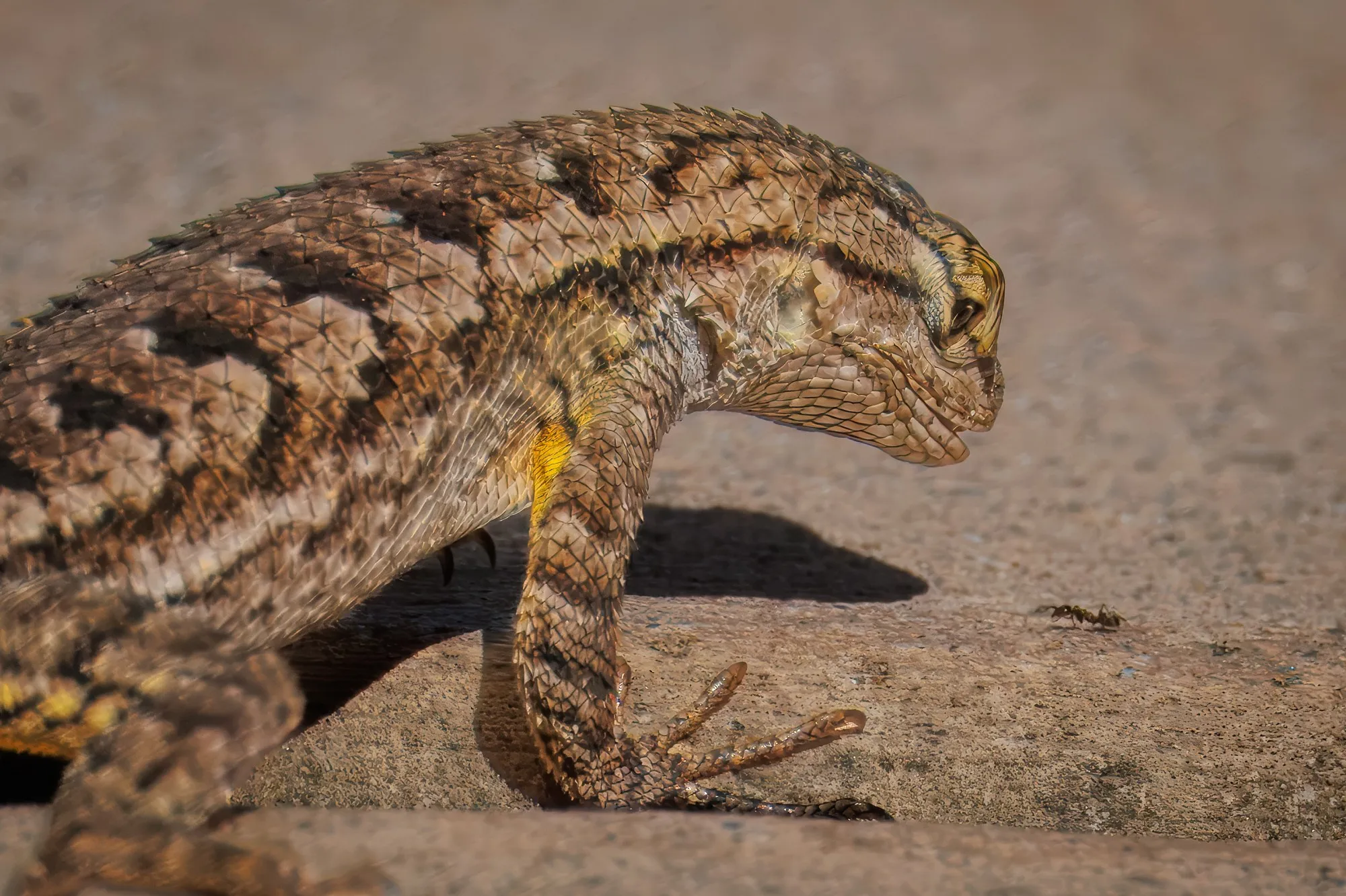
It was a warm, sunny morning when I sat down to watch my scaly friend. I was less than six feet away, but PL seemed accepting and even posed proudly as I took a few photos.
Read more The 101 Ash deal is back: Here are the key terms
Then I noticed ants marching across the concrete sidewalk.
PL noticed the ants as well and his head slowly moved to the right.
As an ant approached, a stout, sticky, pink tongue darted out and scooped it up. Lunch came to the lizard.
This was the animal version of Door Dash.
In just a few minutes the lizard had swallowed a tummy full of ants and slipped from view beneath the hedge to perhaps enjoy a morning nap.
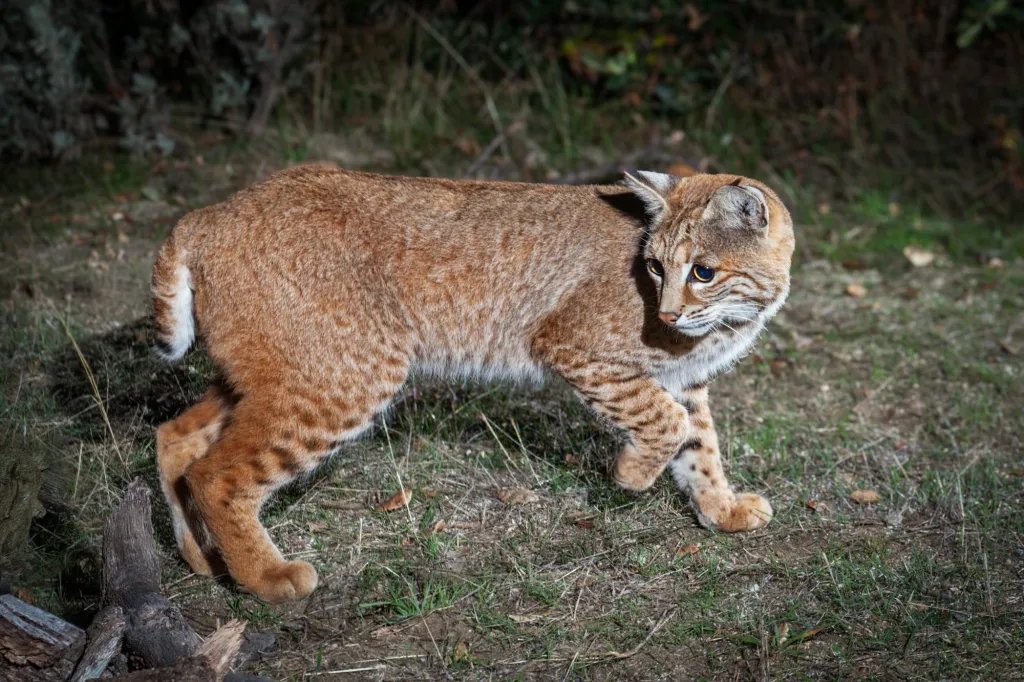
These reptiles can live up to seven years in the wild and more than 10 years in protected environments, but life can be hard since they are relatively low on the food chain and subject to predation from birds, snakes, larger lizards, coyotes, bobcats and house cats.
I was fascinated by this little lizard with the big appetite for ants.
Turns out, there is much more to be fascinated about.
In addition to their obvious role as insect eaters, this locally common reptile serves an even larger role in controlling Lyme disease.
Western black-legged ticks found here are carriers of the disease that can affect humans, but a protein in the western fence lizard’s blood kills the bacterium that causes the disease.
When an infected tick attaches to the lizard, the blood protein will essentially cure the tick and remove its ability to spread the disease to humans.
Lizard population studies have shown a lower level of human Lyme disease in areas where the western fence lizard is more common, like San Diego County.
I wonder if PL knows that in addition to his role as doorman, he’s also a medical hero?
Upcoming events
National Wildlife Refuges Week will be celebrated from 3 to 5 p.m., Oct. 10, at the Tijuana Estuary National Estuarine Research Reserve Visitor Center in Imperial Beach.
I am honored to be the guest speaker, followed by a live raptor presentation by Charles Gailband.
The free “Birds at Sunset” event is presented by the Friends of San Diego Wildlife Refuges in association with California State Parks and the U.S. Fish and Wildlife Service.
The Visitor Center is at 301 Caspian Way in I.B. It’s open Wednesday through Saturday from 10 a.m. to 5 p.m.
For more information visit friendsofsdrefuges.org.
Cowan is a freelance columnist. Contact Ernie @ Packtrain.com or visit erniecowan.substack.com