







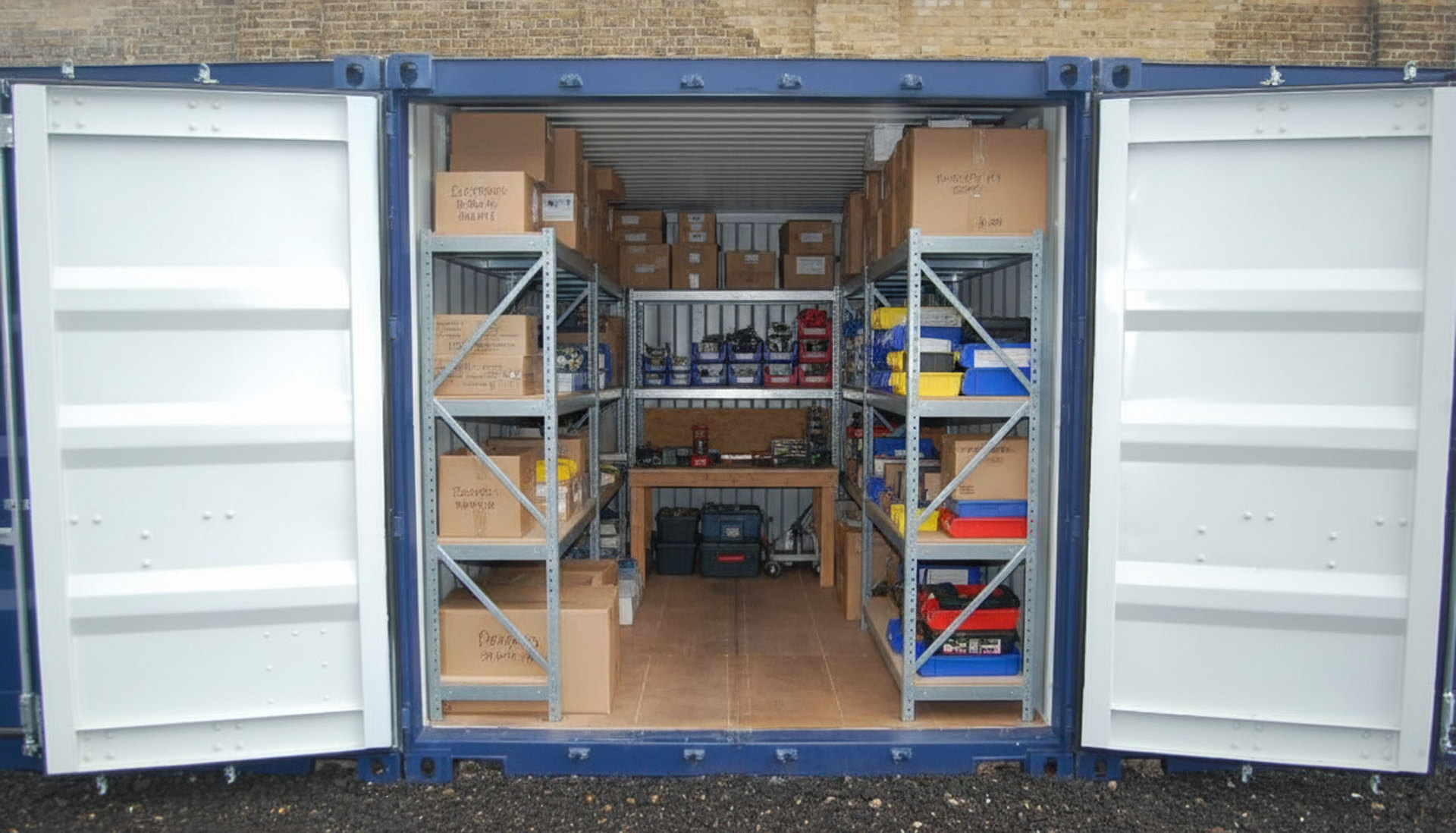
An office transition rarely happens in a perfectly empty space. Desks, filing cabinets, computers, display materials, chairs, and supplies still have to go somewhere while walls are being renovated, leases overlap, or employees move into a different workplace. For businesses in Las Vegas, having a practical place for these belongings can make the difference between a controlled transition and unnecessary disruption.
Business storage gives companies a temporary solution when their current workspace and future plans do not line up. Instead of forcing everything into a crowded office or making rushed decisions about what to discard, businesses can move selected items into storage and retrieve them when they are needed again.
Why Office Transitions Create Storage Problems
A company may have several reasons for needing temporary space. An office renovation can require furniture and equipment to be removed before construction begins. A lease may expire before the replacement property is ready. A growing business might need to downsize temporarily while searching for a more suitable location.
There are also situations where only part of the workplace is changing. Perhaps one department is relocating while another remains operational. Storing surplus furniture and equipment can free up valuable floor space without requiring the company to dispose of useful assets.
Avoiding a Crowded Workplace
Keeping everything inside an active office during a transition can interfere with employees and daily operations. Stacks of boxes may block walkways, unused desks can consume working space, and equipment waiting for relocation may make the environment difficult to navigate.
Moving nonessential belongings into business storage creates breathing room. Employees can continue working while the transition progresses around them.
Storage Can Simplify an Office Move
An office move involves more than transporting furniture from one address to another. Businesses have to coordinate schedules, employees, equipment, building access, and operational requirements.
Temporary storage can separate these steps.
Instead of requiring the entire relocation to happen at once, a company can move items that are not immediately needed into storage first. Essential equipment can remain available until the appropriate stage of the transition.
This approach is particularly useful when moving dates are influenced by construction schedules, property availability, or building management requirements.
What Businesses Commonly Put Into Storage
Not every business has the same storage requirements. Some companies need room for a few desks and filing cabinets, while others temporarily hold a substantial amount of inventory or office equipment.
Common examples include:
- Desks, tables, and office chairs
- Filing cabinets and shelving
- Trade show displays
- Archived paperwork
- Spare computers and electronics
- Promotional materials
- Seasonal supplies
- Excess inventory
- Reception furniture
- Equipment from temporarily closed departments
Creating an inventory before moving anything can make retrieval much easier later.
Choosing a Practical Storage Strategy
Separate Immediate Needs From Long-Term Items
Before placing belongings into storage, divide them according to how frequently they may be needed. Items required during the transition should remain accessible, while rarely used furniture, archived files, or seasonal materials can be positioned separately.
Clear labels are equally important. A box marked simply “Office” provides little information months later. Room names, department labels, item categories, or inventory numbers can make future retrieval considerably faster.
Consider the Las Vegas Environment
Las Vegas businesses should also account for local conditions when planning storage. During periods of intense heat, sensitive equipment and materials require appropriate handling and storage conditions. Businesses should consider the nature of their belongings and choose storage arrangements suitable for the items being kept.
Make the Transition More Manageable
Storage is most useful when it becomes part of the moving plan rather than an afterthought. Companies can determine what needs to remain operational, what can be temporarily removed, and when each category should be transported.
For businesses preparing an office transition in the Las Vegas area, working with an experienced moving provider can help coordinate transportation and storage requirements. More information about available moving solutions can be found at https://nevadamoverslv.com/.
With the right approach, business storage is not simply a place to put furniture while an office changes. It can provide the flexibility needed to keep operations organized, preserve valuable company assets, and give employees room to work while the next workplace takes shape.