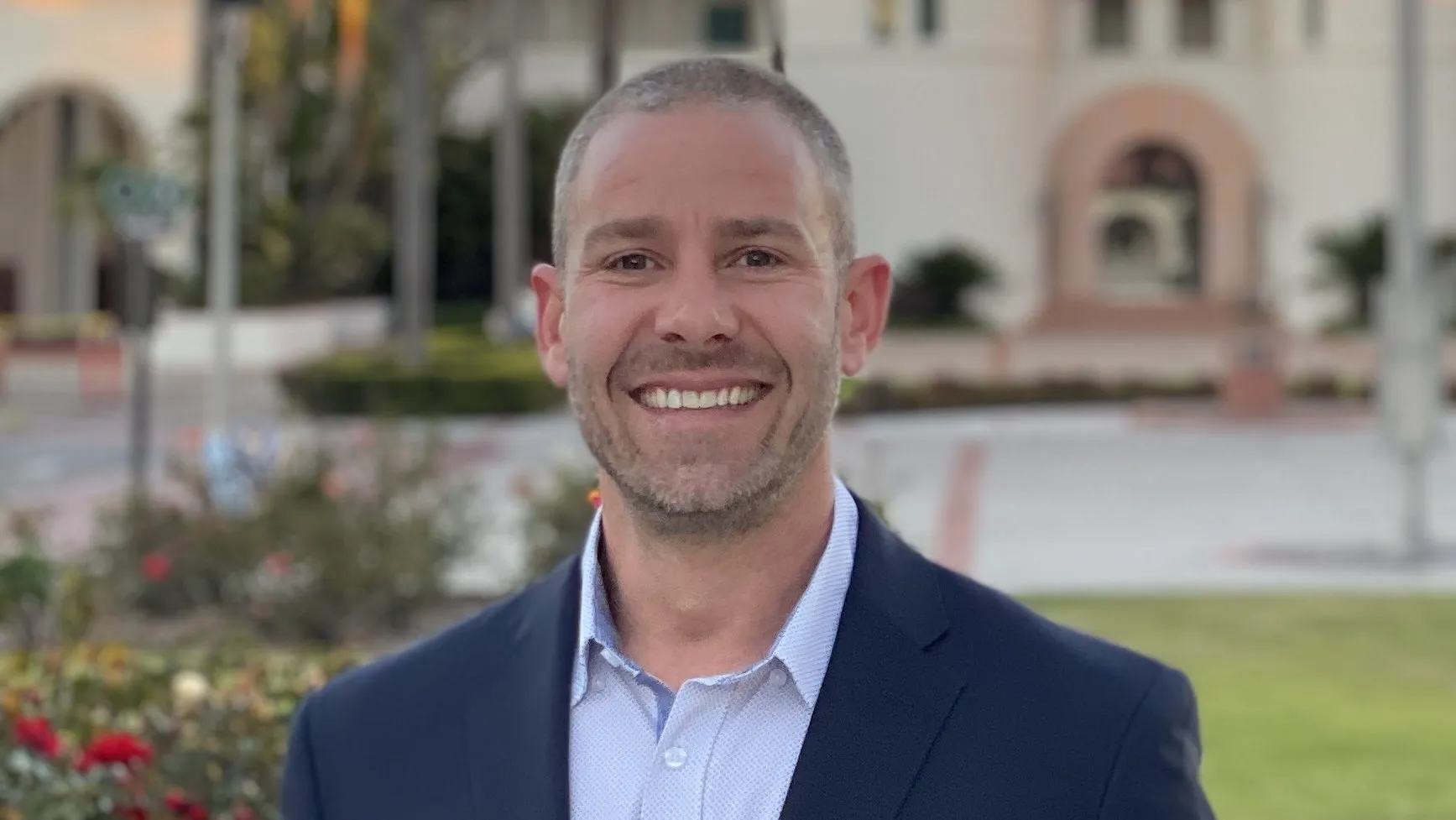




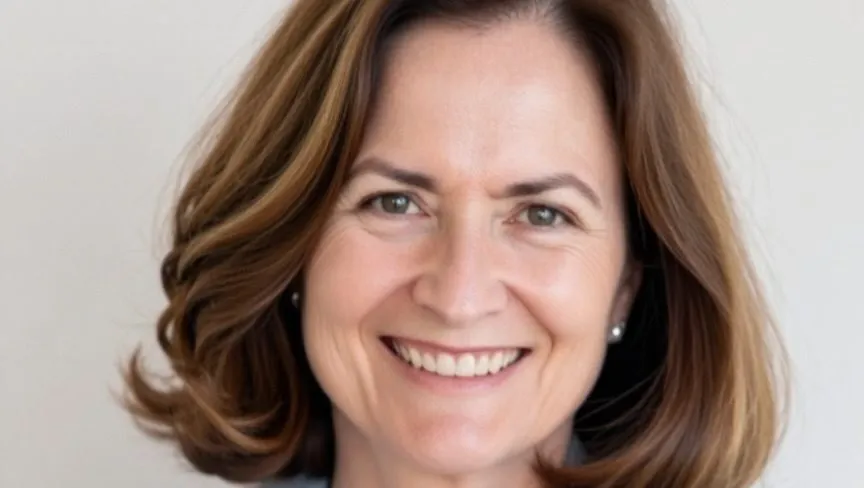
Kelly Purvis, the lone incumbent in the 2026 election, is running to keep her seat on the Coronado City Council. The mayor and four council members are directly elected by registered voters of Coronado.
Read more Q&A: Meet Ricky Hoyt, candidate for Coronado City Council
Purvis, 66, who lives in Coronado, faces three others for two council seats.
Purvis has been endorsed by current Coronado Mayor John Duncan, as well as the three other sitting council members. She has also been endorsed by seven other former council members, Port Commissioner Frank Urtasan, and both the Coronado Police Officers Association and Coronado Firefighters Association.
City council races are nonpartisan.
The Union-Tribune emailed a series of questions to Purvis and other candidates to help inform voters about their positions, priorities and plans if elected.
Purvis said she used AI tools to assist with editing her responses to the Union-Tribune’s questions. She then reviewed and approved the final answers, which reflect her views and positions, she said.
It has been an honor to serve as a Coronado Councilmember for the last two years. I’m running because I love Coronado and want to continue serving the community that has been my home for 39 years. We face serious challenges: the sewage crisis, public safety concerns and state housing mandates that threaten local control. These issues require experience, persistence and a deep understanding of our community.
I served as Coronado’s first Arts Administrator, a community and school volunteer and an historic preservation advocate. My experience working both on City staff and the Council gives me a practical understanding of how to turn community priorities into action. I’m proud to have the endorsement from all four of my colleagues on Council.
I listen, do my homework and work collaboratively while standing firm on Coronado’s interests. I’m committed to protecting our neighborhoods, supporting local businesses and managing taxpayer dollars responsibly.
Contaminated coastal waters threaten public health, close our beaches and hurt local businesses. We need coordinated action at every level of government to solve this issue. That includes measurable progress, independent monitoring and transparent reporting to secure lasting solutions.
Keeping residents and visitors safe requires strong police, fire and emergency services. E-bike safety is an urgent concern. I support consistent enforcement, rider education, parental accountability and stronger statewide standards to prevent injuries. This includes raising the operating age to 16 with licensing and insurance requirements.
State mandates must recognize Coronado’s limited land and built out environment, military installations, constrained evacuation routes and existing infrastructure. We must advocate for reasonable housing allocations while pursuing thoughtful opportunities for workforce housing, protecting historic resources and preserving our neighborhoods’ character.
These priorities require persistent advocacy, regional partnerships and responsible financial stewardship.
My first vote on the City Council was to break a tie of the new Council and pass 3-2 an Emergency Declaration regarding the cross-border sewage issue. I will continue working on this issue with regional, state and federal partners to advance infrastructure improvements, demand measurable results and timelines and keep residents informed about progress toward safe beaches and clean coastal waters.
Work with police, schools and parents on consistent enforcement and rider education while advocating at the state level for stronger statewide age and safety standards. Ensure our first responders have all the resources they need.
Continue advocating through Cal Cities and SANDAG for realistic housing requirements that recognize Coronado’s constraints. Pursue opportunities for workforce housing while protecting historic resources, neighborhood character and infrastructure capacity.
Coronado should continue supporting federal and regional advocacy for improvements to sewage collection and treatment infrastructure on both sides of the border. That support must include demands for measurable accountability, transparent progress reports and responsibility when commitments are missed.
I support funding accurate and scientifically accepted water-quality monitoring, clear public health communication and coordinated emergency planning to protect residents, visitors and businesses. Reliable information is essential to understanding conditions and evaluating whether improvements are effective.
We should also support feasibility studies of additional treatment and water-reclamation options on the U.S. side, drawing on lessons from projects such as Pure Water San Diego.
City funds should support efforts with clear public benefits and measurable results, while we press state and federal governments to provide the substantial funding this international crisis requires. Coronado must remain a persistent partner in securing lasting solutions.
Read more Dogs bring calm and joy to students following shooting at Colorado high school
1. Unsafe riding, distracted driving and conflicts among vehicles, cyclists and pedestrians put lives at risk. We need consistent enforcement, safer streets, rider education and parental involvement, along with stronger statewide e-bike standards.
2. Emergency preparedness and response. As a city employee I trained in Coronado’s Emergency Operations Center and know the importance of preparation. Coronado’s limited evacuation routes make planning essential. Flooding, earthquakes and other emergencies require reliable infrastructure, backup power, clear public communication and coordination with the Navy and regional agencies. Our police and firefighters must have the staffing, training and equipment to respond effectively.
3. Public health threats from cross-border sewage. Contaminated coastal waters create an ongoing safety concern for residents, visitors and those who work near the ocean. Reliable monitoring, timely health advisories and lasting infrastructure solutions are essential.
My priority is preventing harm while ensuring our first responders can act quickly when emergencies occur.
Transparency means residents can understand what their city is doing, why decisions are made and how public dollars are spent. Accountability means following through and explaining the results.
I support clear, plain-language summaries of major Council decisions, budgets and capital projects, with timelines, costs and regular progress updates. Meeting agendas and materials should be easy to find, and significant proposals should include meaningful opportunities for public input before decisions are made.
I also advocate for measurable goals, public reporting on progress and clear explanations when projects are delayed or exceed their budgets. Residents deserve timely responses to questions and a clear path for resolving concerns.
As a Councilmember, I will continue to listen, ask questions in public meetings and explain my votes. I will maintain all ethics training requirements and follow the important Brown Act. Trust grows when elected officials are accessible, acknowledge problems and take responsibility for addressing them.
Coronado has been successful in keeping homelessness relatively low, and I believe we should continue an approach that combines compassion, outreach, public safety and accountability.
Our Police Department works to connect individuals experiencing homelessness with shelter, mental-health resources and other supportive services. Coronado does not operate its own homeless shelter, therefore regional partnerships are especially important. The City works with Father Joe’s Villages to provide access to shelter and supportive services.
I support proactive outreach, particularly for individuals experiencing mental-health or substance-use challenges and helping connect people who are willing to accept assistance with appropriate services and housing resources.
At the same time, we have a responsibility to keep our parks, beaches, sidewalks and other public spaces safe and accessible for everyone. We can enforce our laws fairly while treating every individual with dignity. Our goal should always be to help people move toward stability and permanent housing.
Coronado’s affordable housing challenge reflects our unique circumstances: a built-out island with limited land, aging infrastructure and significant military base traffic impacts. With typical home values around $2.6 million, land costs make affordable housing financially difficult without substantial subsidies or incentives.
Still, Coronado is making tangible progress. In the past two years, the city has invested $10.84 million and purchased two parcels identified for future affordable housing while increasing affordable housing in-lieu fees. These fees help fund future affordable homes, while higher fees encourage developers to include affordable units in their projects.
Our priorities should be preserving existing affordable homes, encouraging appropriate accessory dwelling units, pursuing workforce housing and identifying realistic opportunities for additional affordable homes.
I would assess progress through measurable results: land acquired, funding secured and affordable units preserved or built. We must expand housing opportunities while addressing our geographic and economic constraints and protecting Coronado’s community character.
Read more Chuck Schumer has broad support from his caucus, but midterms could decide his future as leader